

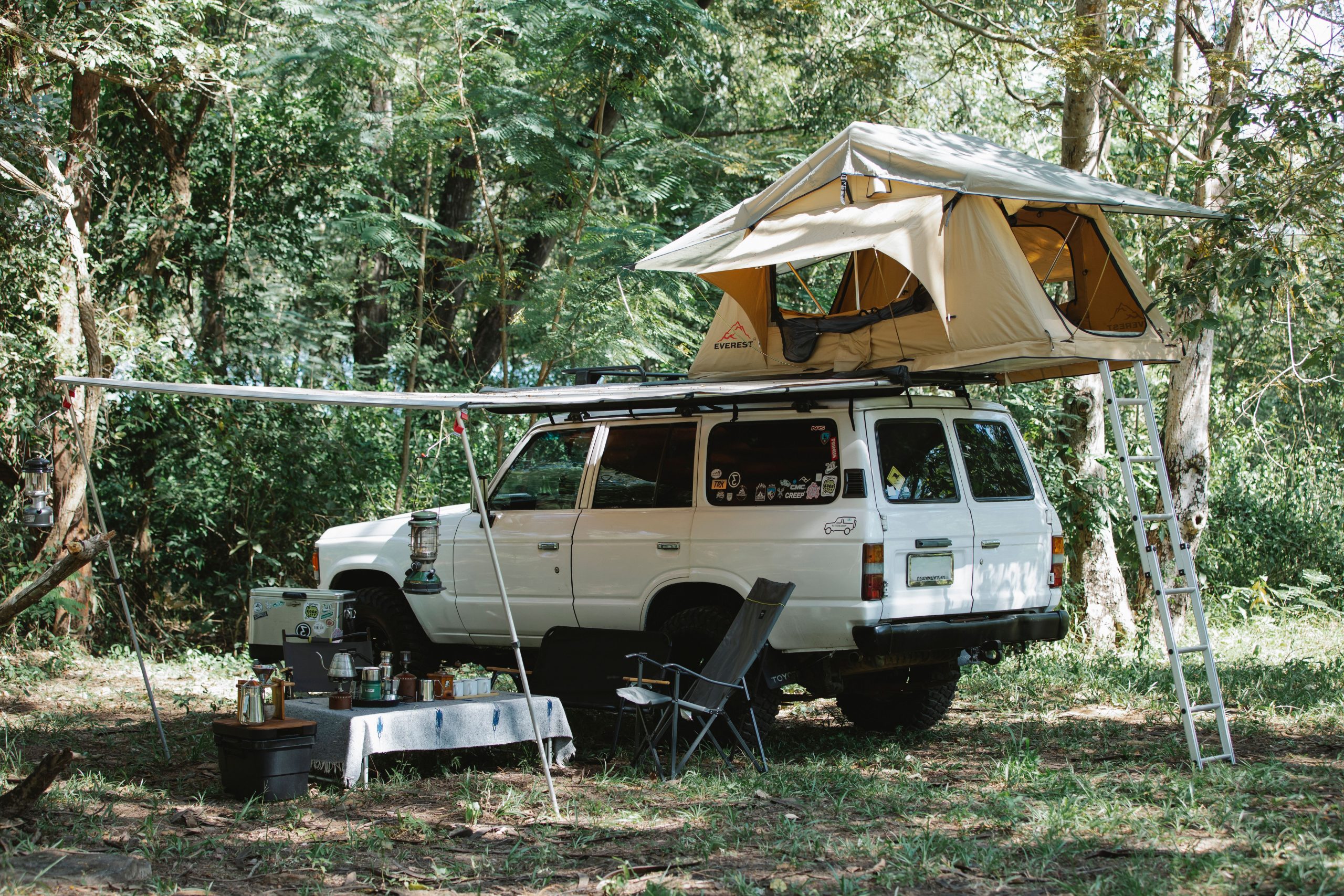
Your hunting road trip will probably involve some distance. What matters more is how your base will feel once you’ve traveled that distance, come back and need dinner.
Having wet bedding or nowhere to put your cooking gear will make for a bad experience even if the day was great.
Make your hunting road trip base accessible, have everything where it should be and make sure your base can fit the number of nights you’re going to be at.
Here are some tips that can help with that:
-
Pick a Campsite That Works for the Trip
-
Give Every Piece of Gear a Place
-
Set Up a Sleeping Area That Stays Dry
-
Make Meals and Clean Water Easy
-
Prepare for Weather and Early Starts
-
Leave the Camp Ready for the Next Visitor
-
Wrapping It Up
Pick a Campsite That Works for the Trip
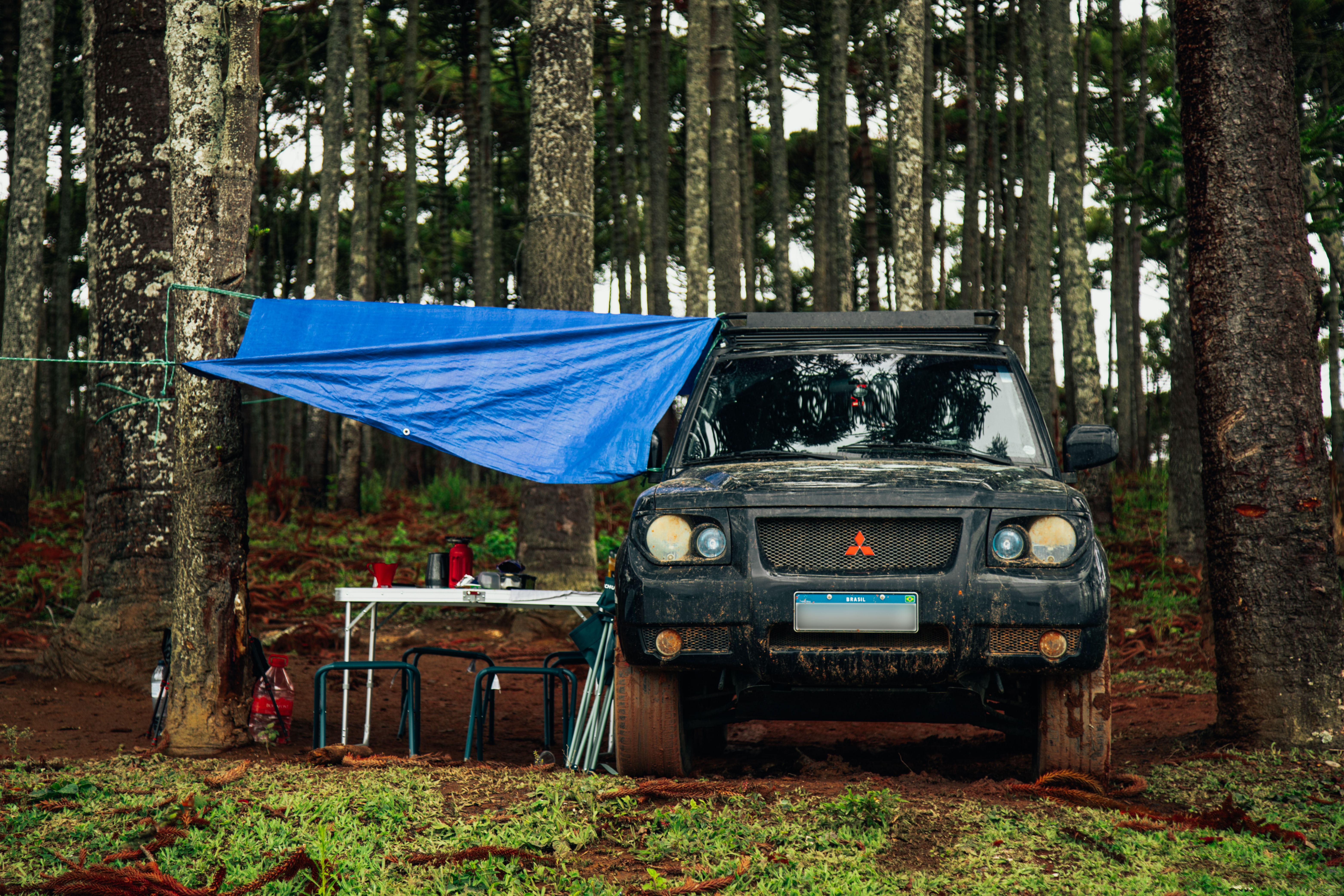
A practical vehicle-accessible base makes it easier to settle in after a long drive.
Check whether overnight camping is permitted near your hunting area before you drive there. Hunting access and camping access may be different. Know this before you drive there. Maybe you need to book ahead or there’s a time you can only stay there. There may be access to hunt and sleep somewhere different.
Searching for campsites can become difficult. The Dyrt 2026 Camping Report showed that over 50% of campers struggled to find a campsite due to full bookings. It’s important to research ahead of time to see where you’ll be able to sleep for the night.
Things to look for when deciding on a campsite include:
-
Dry level ground.
-
Able to access your vehicle’s area to drive up.
-
Away from dead limbs, steep terrain, creeks and rivers.
-
Make sure you’ll have enough room to sleep and cook.
Try to find a pre-established campsite, this will allow you less hassle and disturb less of the surrounding area. Get there while it’s still light out, this gives you time to assess the area and get set up without being in someone’s way.
Give Every Piece of Gear a Place
Organization is key. You’ll want everything in the location you’ll need them in.
Pack your cookware near your cooking area and have a box or location for your sleeping gear. Have all extra equipment or things you may need to repair something packed away. Create a clear walkway from your tent to your vehicle, so you’re not tripping over things.
When packing for your hunting road trip keep your guns in mind. Transport your firearms unloaded and store your ammo somewhere separate. Follow laws that you are traveling in and ensure no one else can access your gun.
When transporting multiple types of ammunition, know what each one will be used for. Federal HST ammunition can be used as self defense, but you will need to keep that separate from your hunting ammunition. A hollow point expansion test shows how a bullet performs under specific test conditions, not whether that cartridge is suitable or lawful for hunting.
Make sure everything is back in your vehicle when leaving. It’s better to check that then try to find things as you’re trying to get going.
Set Up a Sleeping Area That Stays Dry
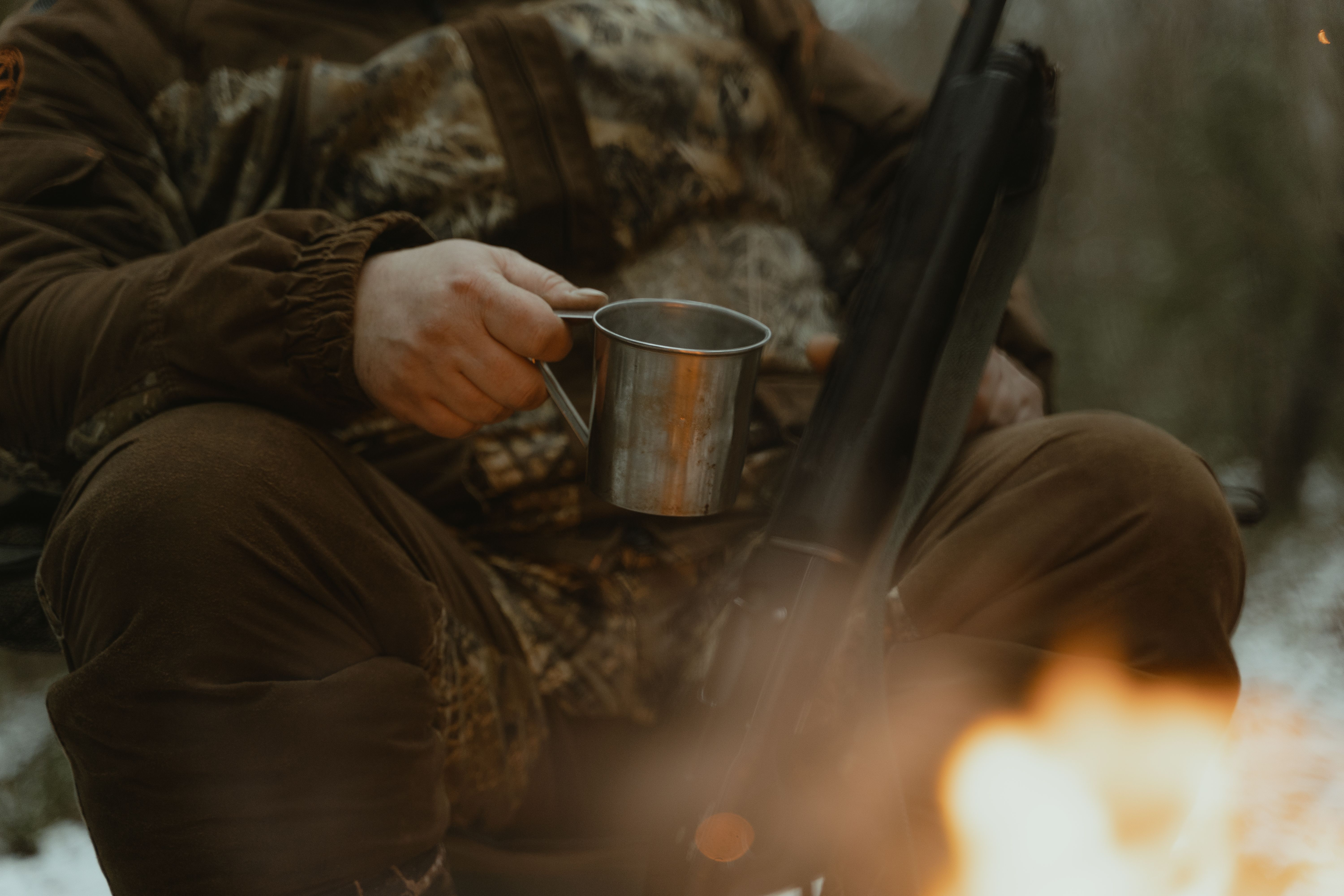
A warm campfire can offer a welcome place to unwind after a day outdoors.
Having a dry, comfortable place to sleep will allow you to feel better the next day. Once you arrive, get your tent set up and pack the rest of your equipment in.
Find a good spot to put your sleeping bags, make sure there’s no hanging limbs that could fall. Try to avoid tent lines where you may walk often.
Allow each person enough room to put their clean clothes, maybe something they’ll need to use in the morning. You don’t want to be digging through your car to find a flashlight, extra socks, etc.
Boots and jackets that may get wet should have somewhere outside of your sleep area to dry. This can become an issue if you’re at your base for multiple nights, you can set up a tarp and have an area to change clothes.
Make sure to keep stoves, grill, etc. out of your tents or any sleeping area. These release carbon monoxide, which can be deadly. Always know where your ventilation is before putting these out. The U.S. government’s carbon monoxide safety guidance also recommends keeping camp stoves outdoors and away from openings.
Make Meals and Clean Water Easy
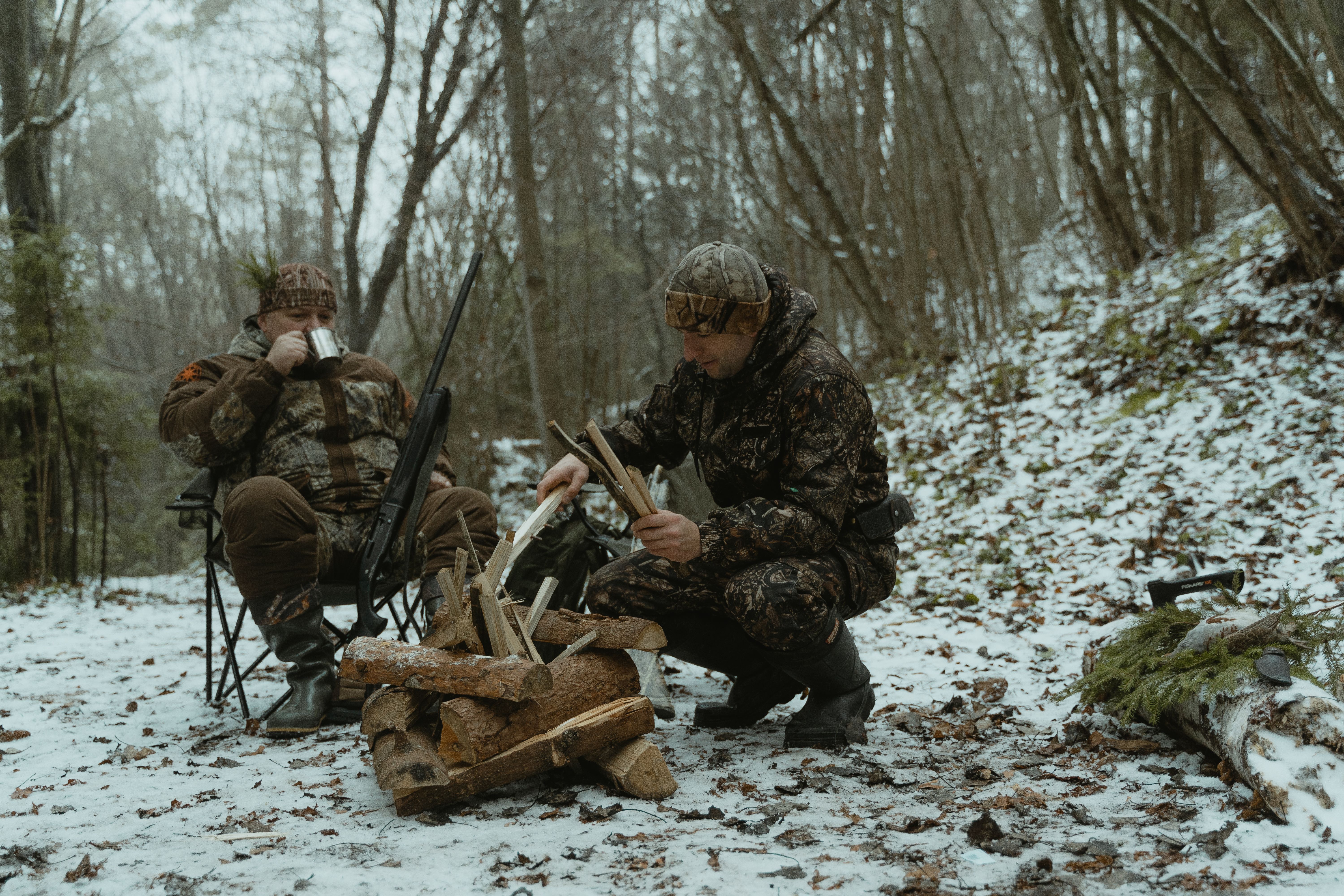
Plan a simple meal setup so camp remains comfortable even in cold conditions.
At the end of a long day of hunting, the last thing you want to do is make sure you have enough food to cook. Have a place for your cooking area, pack your food ahead and make sure you have plenty of water.
Cook what you can before your trip, have a meal’s worth of food packed for when you arrive and pack your utensils to have.
Some things to remember when packing food:
-
Bring enough water to drink, know if you’ll need to purify it once you get there.
-
Keep raw meat separated from food, pack ice if needed.
-
Pack a soap, bowl to wash and make sure you have a trash bag/box.
-
Decide who will cook, wash dishes, etc.
If you’re planning on bringing back any game, have a way to cool it and prepare it before driving home. Make sure you have the necessary utensils and ice to do this.
Wildlife should be considered as well. According to the National Park Service, separate your cooking area from your sleeping area. If you are staying in a bear area, you will want to follow local guidance for storing food and scented items. Do not assume that your tent can keep your food locked up.
Also, wash your water away from your campsite. There may be directions for this, but always make sure you’re not dumping your dirty water, etc. into a river, creek, lake.
Prepare for Weather and Early Starts
A sheltered base gives the group a dependable place to regroup between early starts.
Know your weather, always. Before you leave, research your forecast, also research once you get to your destination. Conditions may be different a short distance away, especially at higher elevations.
Pack clothes that you can change into, have flashlights, first aid and know how to navigate if you don’t have service. You want to make sure that these are easily accessible, not at the back of your vehicle.
Always know a second option to sleep, if the campsite you picked isn’t working or if your road becomes impassable. Tell someone that’s not traveling with you where you’ll be heading, and when you’ll be returning.
When you’re at your camping site, spend time that night making sure that you’re ready for the next day. Have your lights charged, know where your clothes are, have a plan and allow yourself time to sleep and travel.
The best way to wake up in the morning is knowing you did that the night before.
Leave the Camp Ready for the Next Visitor
It’s always better to pick up after yourself when camping. Keep your garbage picked up, store your food where you can and make sure you’re not driving through untouched dirt.
When leaving, clean up after your fire and know where to dump your toilets, waste, etc. Follow regulations and always clean up after your fire.
Pick up any stray cords, trash, shells, etc. Make sure you walk your camping site when you’re trying to leave, you’d be surprised what you find around tents, cars, etc.
You don’t want the person that will be using that spot after you to see the mess you’ve left behind.
Wrapping It Up
Having a camping site that can meet your needs, that is comfortable, and that can hold everything you’ll need, will help you enjoy the road trip. Once you find a camping site you’ll be able to relax, and not worry about your stuff.
Make sure to organize your base and you’ll save yourself time in the morning, allowing you more time to enjoy your trip.