

Keeping a home clean often feels like a constant cycle of wiping surfaces, vacuuming floors, and tidying clutter. While these regular routines help maintain a sense of order, they rarely address the deeper layers of dirt that accumulate over time.
Dust settles into fibers, allergens hide in soft surfaces, and spills leave behind residues that ordinary cleaning methods cannot fully remove. Over months and years, these hidden contaminants build up in ways that can affect not only the appearance of a home but also the quality of the indoor environment.
Understanding how deep cleaning works, and why it matters, can help homeowners maintain healthier, more comfortable living spaces.
Why Everyday Cleaning Isn’t Always Enough
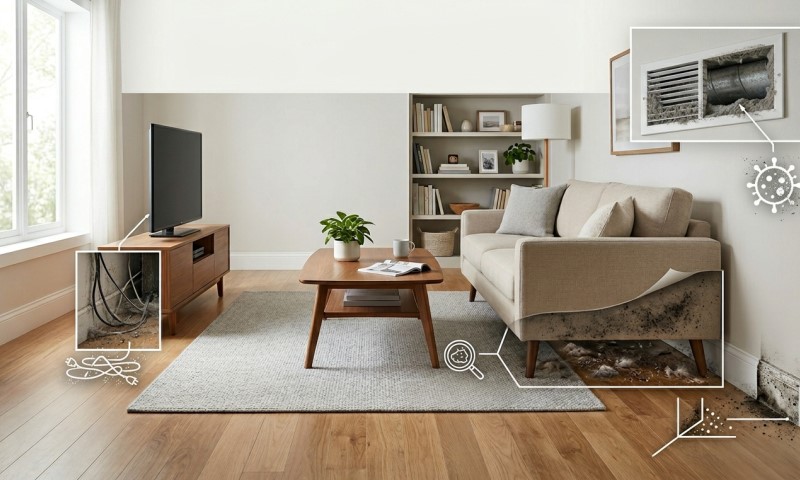
Most households rely on routine cleaning tasks such as sweeping, vacuuming, and wiping surfaces. These habits are essential, but they primarily target visible dirt rather than deeply embedded particles.
Carpets, upholstery, and other soft materials tend to trap dust, pet dander, food particles, and microscopic debris within their fibers. Even high-quality vacuums remove only a portion of these contaminants. Over time, these trapped materials can accumulate and contribute to unpleasant odors, discoloration, and indoor allergens.
This is why periodic deep cleaning plays such an important role in home maintenance. Unlike surface cleaning, deep cleaning methods use specialized equipment and techniques designed to reach beneath the surface of fabrics and flooring materials.
Carpets: The Most Overlooked Area of the Home
Carpets are particularly prone to hidden buildup. They function almost like filters within a home, capturing dust and particles that circulate through the air.
While this filtering effect can temporarily reduce airborne debris, it also means carpets gradually collect significant amounts of dirt over time. Foot traffic presses particles deeper into the fibers, making them difficult to remove through standard vacuuming.
Homes with pets or children tend to experience even greater accumulation due to frequent spills, outdoor debris, and pet hair.
Because of this, professional cleaners and cleaning experts often recommend deep carpet cleaning at least once or twice a year depending on household conditions.
How Deep Carpet Cleaning Works
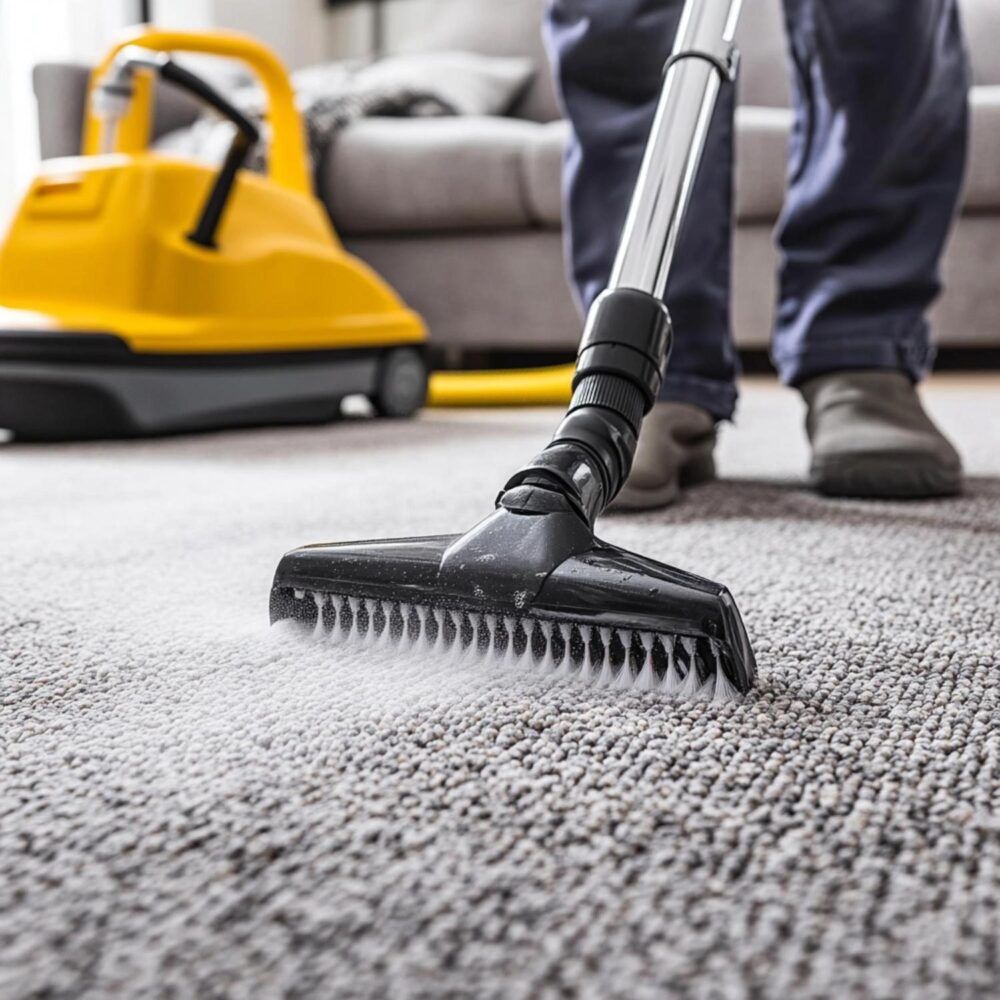
Deep carpet cleaning methods typically rely on hot water extraction or similar techniques that lift dirt from deep within the fibers.
These systems spray a mixture of cleaning solution and heated water into the carpet while powerful suction extracts the loosened dirt and moisture. The process removes contaminants that normal vacuuming cannot reach.
Commercial cleaning equipment is designed to perform this task efficiently and safely. Machines with strong extraction power help prevent excessive moisture buildup, which could otherwise lead to mold or mildew.
For individuals researching professional-grade equipment, resources such as the cleaning guides published by SweepScrub explain how commercial carpet extractors work and what features distinguish high-performance machines from standard models.
Understanding these differences can help homeowners make informed decisions when selecting tools or hiring professional services.
The Benefits of Deep Cleaning Carpets
Beyond improving appearance, deep carpet cleaning offers several practical benefits for homeowners.
Improved Indoor Air Quality
Dust, allergens, and pet dander trapped in carpets can circulate through the air as people walk across the floor. Removing these contaminants helps reduce airborne irritants that may trigger allergies or respiratory discomfort.
Extended Carpet Lifespan
Particles embedded in carpet fibers act like tiny abrasives. Over time, they wear down the material and cause carpets to look dull or frayed. Regular deep cleaning removes these particles and helps maintain the carpet’s texture and appearance.
Odor Reduction
Spills, pet accidents, and general household activity often leave behind residues that create lingering odors. Deep extraction cleaning removes these substances rather than simply masking them with fragrances.
A Fresh Appearance
Perhaps the most noticeable benefit is visual. Carpets that have been deep cleaned often regain their original color and softness, making the entire room look brighter and more inviting.
Cleaning Beyond Carpets

While carpets are often the primary focus of deep cleaning, other areas of the home can benefit from similar attention.
Upholstered Furniture
Sofas, chairs, and cushions collect dust and oils through daily use. Professional upholstery cleaning helps restore fabric freshness and remove accumulated dirt.
Rugs and Mats
Area rugs, particularly those placed in entryways or high-traffic areas, collect significant amounts of outdoor debris. Regular deep cleaning helps maintain their color and durability.
Curtains and Fabric Decor
Curtains and fabric wall hangings trap dust over time. Gentle cleaning or professional care helps maintain both hygiene and appearance.
Addressing these areas as part of a periodic deep cleaning routine ensures that dirt does not simply shift from one surface to another.
When to Schedule Deep Cleaning
The ideal frequency for deep cleaning depends on several household factors.
Homes with pets, children, or heavy foot traffic often require more frequent cleaning due to increased wear and contamination. Seasonal changes can also influence cleaning schedules, especially during periods when outdoor dirt and moisture are more likely to be tracked indoors.
Many homeowners choose to schedule deep cleaning during seasonal transitions, such as spring or early autumn, when refreshing indoor spaces feels most natural.
Establishing a predictable cleaning schedule helps prevent excessive buildup and keeps living spaces consistently comfortable.
Professional Services vs. DIY Cleaning
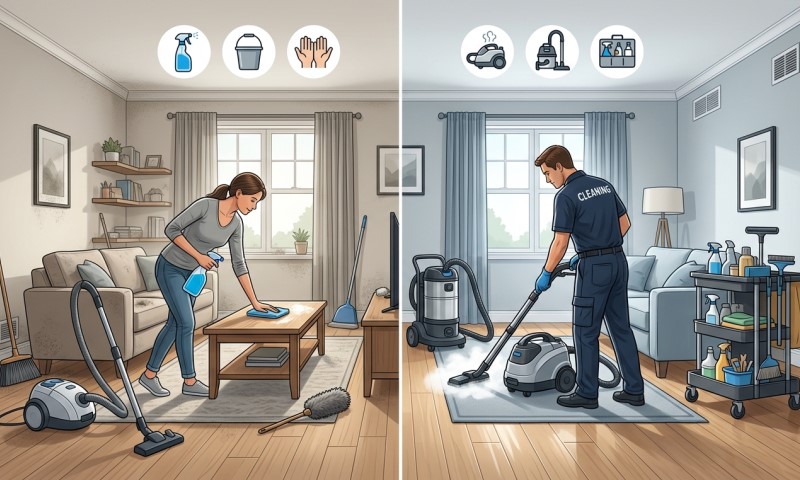
Some homeowners prefer hiring professional cleaning services, while others invest in specialized equipment for home use.
Professional services typically bring commercial-grade machines capable of deep extraction and rapid drying. Technicians also have experience identifying different carpet materials and selecting appropriate cleaning methods.
DIY equipment offers greater flexibility for routine maintenance, particularly in homes where spills or pet accidents occur frequently.
In many cases, homeowners adopt a hybrid approach, performing occasional cleaning themselves while scheduling professional services periodically for deeper treatments.
The key is ensuring that carpets receive proper care before dirt accumulation becomes difficult to remove.
Creating a Healthier Living Environment
Deep cleaning plays an important role in maintaining a healthy home environment. While it may not always be visible, the removal of hidden contaminants helps improve both comfort and air quality.
Families often notice subtle but meaningful improvements after deep cleaning. Rooms feel fresher, fabrics appear brighter, and the overall atmosphere becomes more inviting.
These benefits extend beyond aesthetics. Cleaner living spaces can support better sleep, reduced allergens, and a more pleasant daily environment.
A Smarter Approach to Home Maintenance

Home maintenance is often easier when approached proactively. Instead of waiting until carpets appear visibly dirty, scheduling periodic deep cleaning keeps surfaces in better condition over time.
By combining regular vacuuming with occasional deep extraction cleaning, homeowners can maintain carpets that remain both attractive and hygienic for years.
This approach also reduces the likelihood of permanent staining or fiber damage, preserving the investment made in flooring and furnishings.
The Long-Term Value of Clean Spaces
Clean environments contribute to more than just visual appeal. They influence comfort, health, and the overall experience of living in a space.
Deep cleaning carpets and upholstery may require additional effort or occasional professional assistance, but the results are well worth it. A home that is clean beneath the surface feels noticeably different from one where dirt has quietly accumulated over time.
When homeowners understand how hidden dirt builds up, and how to remove it effectively, they gain the ability to maintain living spaces that are both welcoming and healthy.
Regular attention to these details transforms cleaning from a reactive chore into a thoughtful part of long-term home care.