

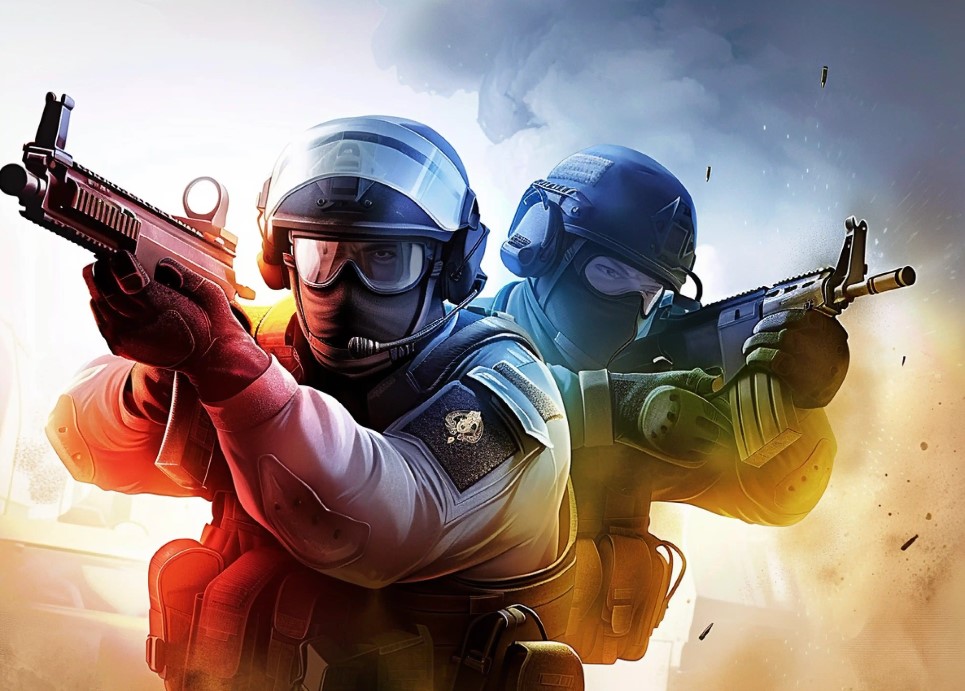
If you’ve been gaming for years, chances are you’ve left behind accounts filled with forgotten skins, rare items, or high-level progress. What once felt like casual entertainment might now hold real-world value. As digital economies evolve, game accounts have quietly become assets, sometimes worth hundreds or even thousands of dollars.
The surprising part is how many players overlook this entirely. Old inventories sit untouched, while demand for rare items continues to grow. Whether you played competitively or just casually collected items over time, your account might be more valuable than you think. Let’s explore why.
The Hidden Value Inside Your Inventory
Many players underestimate their inventory because they associate it with time spent, not market demand. However, digital items operate within their own supply and demand cycles, often influenced by rarity, age, and popularity.
What Actually Makes an Account Valuable?
Understanding value starts with knowing what buyers are looking for. It’s not always about skill or rank. Often, it’s about scarcity and desirability.
Here are key factors that increase value:
- Rare skins or discontinued items
- Early access or legacy account status
- High-level progression or unlocks
- Limited-time event rewards
- Clean account history (no bans or penalties)
Even something that felt insignificant years ago could now be considered rare. Games evolve, items get removed, and suddenly what you own becomes part of gaming history.
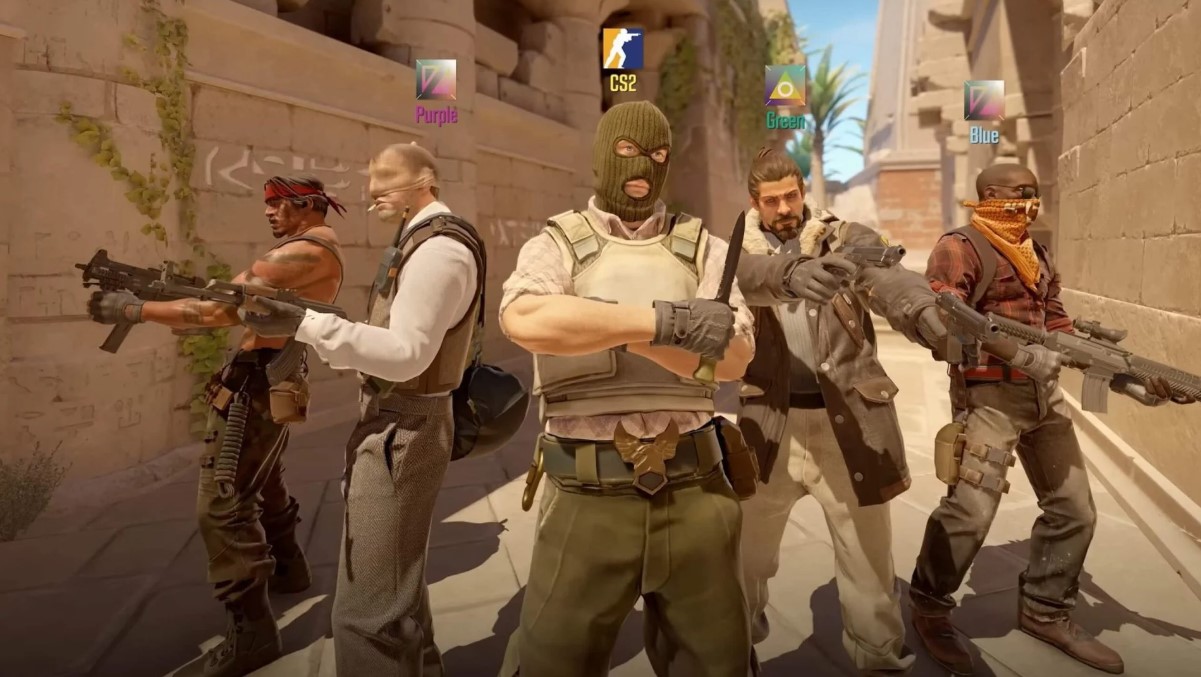
Why Skins and Items Have Real Monetary Worth
Digital items are no longer just cosmetic upgrades. They’ve become tradable assets within large, active marketplaces. This shift has turned gaming into a hybrid of entertainment and investment.
The Rise of Skin Economies
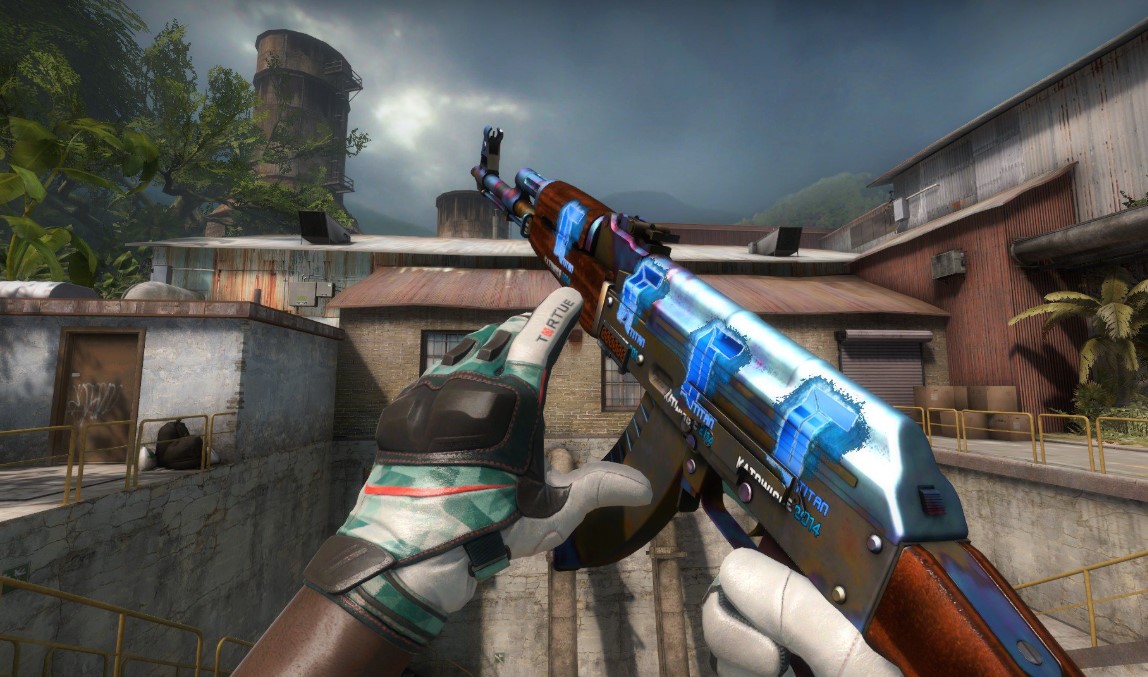
Games like Counter-Strike popularized skin trading, creating entire ecosystems around virtual items. Some skins now sell for prices comparable to physical collectibles.
If you’ve ever thought about clearing out your inventory, platforms now make it easier than ever to sell cs2 skins safely and efficiently. This process has become streamlined, allowing players to convert unused assets into real money without complicated steps.
What drives these prices?
- Limited supply of older skins
- Community hype and trends
- Professional esports influence
- Visual appeal and rarity tiers
These factors combine to create a dynamic market where value can increase over time.
Not Just Skins – Full Accounts Can Be Valuable Too
While skins get most of the attention, full accounts can be even more valuable depending on what they offer. Progression-based games, in particular, reward long-term investment.
When Does an Account Become Worth Selling?
An account becomes attractive when it saves time or offers something difficult to obtain. Buyers are often looking for shortcuts or exclusivity.
Typical high-value account features include:
- Maxed-out characters or ranks
- Rare achievements or badges
- Access to locked or legacy content
- Large inventories across multiple games
Always check a game’s terms of service before selling accounts. Some games restrict account transfers, and violating rules can result in bans or loss of assets.
This doesn’t mean every account is valuable, but many are worth more than players expect.
A Quick Snapshot of Value Factors
To better understand how different elements contribute to value, here’s a simple comparison:
|
Factor |
Low Value Impact |
High Value Impact |
| Skin rarity | Common items | Limited or rare drops |
| Account age | New accounts | Early adopter accounts |
| Progression | Low level | Maxed or near-max |
| Inventory size | Small | Large and diverse |
| Market demand | Low interest | High community demand |
The key takeaway is that value rarely comes from just one factor. It’s usually a combination that creates something desirable.
After reviewing your account through this lens, you might start seeing it differently.
The Digital Collectibles Boom
The gaming market has grown alongside trends in digital ownership. What used to be niche is now mainstream.
Did you know?
- Some rare in-game skins have sold for over $100,000
- Digital items can appreciate over time like collectibles
- Entire careers now revolve around trading virtual goods
This shift reflects a broader change in how people perceive value. Digital ownership is no longer secondary to physical items. In many cases, it’s just as meaningful, especially within gaming communities.
How to Check What Your Account Is Worth
Before selling anything, it’s important to evaluate your assets properly. Guessing value can lead to missed opportunities or underselling.
Start with a simple process:
- Review your inventory for rare or discontinued items
- Compare similar items on active marketplaces
- Check recent sales, not just listed prices
- Look at demand trends within the game’s community
You don’t need to be an expert trader to get a solid estimate. A bit of research can go a long way in understanding what you have.
It’s also worth revisiting older games you no longer play. You might be surprised by what’s sitting there.
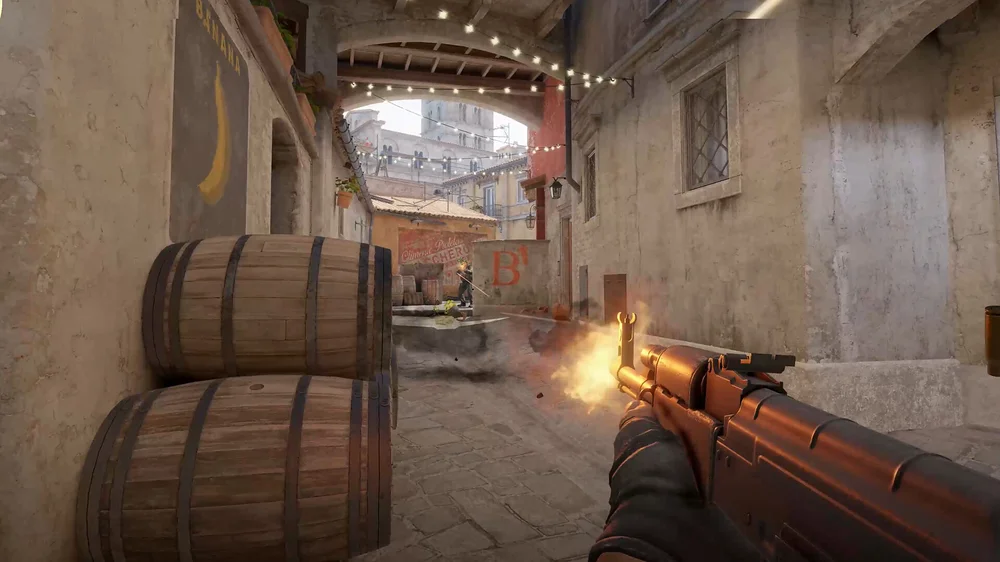
Common Mistakes Players Make
Even experienced gamers often overlook opportunities when it comes to account value. These mistakes can cost real money.
Avoid these pitfalls:
- Ignoring older accounts completely
- Selling items too quickly without research
- Not understanding rarity tiers
- Falling for unsafe or unofficial marketplaces
Taking a little extra time to learn the basics can make a significant difference. The goal isn’t just to sell, but to sell smart.
The Emotional Side of Letting Go
There’s also a personal aspect to consider. Game accounts often carry memories, achievements, and time invested over the years.
Letting go can feel like closing a chapter.
Some players choose to keep accounts for sentimental reasons, while others see value in turning unused assets into something practical. There’s no right or wrong choice here.
What matters is being aware of your options.
Final Thoughts
Your old game account might not just be a relic of the past. It could be a hidden asset with real-world value. As gaming continues to merge with digital economies, the line between play and investment keeps getting thinner.
Taking the time to explore what you own is the first step. Whether you decide to sell or hold onto your account, understanding its worth puts you in control.
At the very least, it changes how you see your gaming history. And at best, it might turn forgotten pixels into something surprisingly valuable.