

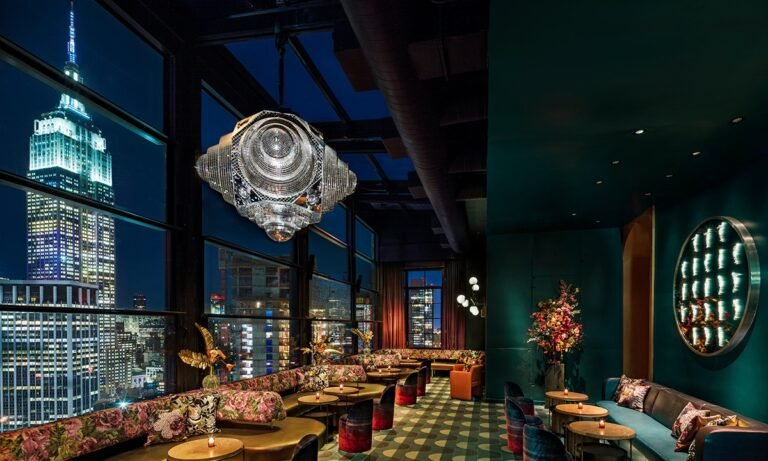
New York nightlife changes fast. One year everybody wants private member clubs with impossible reservation systems. The next year people suddenly want loud dance floors again.
Right now, the city sits somewhere in the middle. You can still find velvet rope energy and expensive bottle service, but people also want places that feel social and alive again.
If you are planning a VIP night out in New York, the hardest part is not finding a club. It is figuring out which places actually match the kind of night you want. Big difference.
Understanding What “VIP” Really Means In NYC
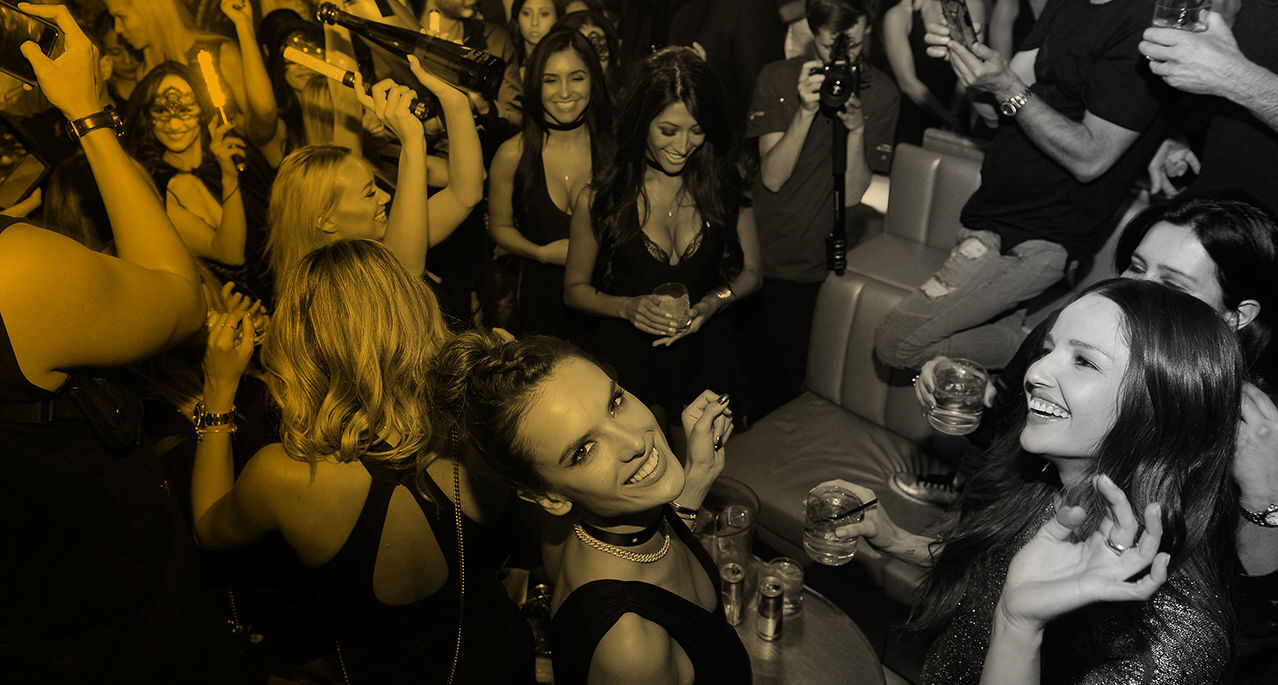
A lot of visitors assume VIP nightlife means celebrities, giant champagne parades, and spending money for attention. Honestly, most experienced New Yorkers avoid that kind of scene unless they are celebrating something specific.
Most VIP nightlife in New York is about convenience. You skip lines. You get somewhere to sit. Your group stays together. You avoid spending forty minutes fighting through a crowded bar for drinks.
That matters more than people admit.
I usually tell friends to ask themselves three questions before booking anything:
Do you actually want to dance?
Do you want conversation and cocktails?
Or do you mainly want a social atmosphere with table service?
Those answers completely change where you should go.
Places like Marquee and Nebula lean heavily toward high energy club culture, while lounges in SoHo or the West Village feel more relaxed and easier to manage for groups.
Booking Tables Without Getting Burned
The funny thing about New York nightlife is that half the stress happens before you even arrive. Random promoters promise “best table” deals everywhere online, and some are legitimate while others disappear after taking deposits.
That is why people increasingly use concierge style services instead of negotiating with five different hosts over text messages. I have seen groups save themselves a huge headache that way, especially tourists trying to organize birthdays or bachelor parties.
Services like EscortsLiaison tend to appeal to visitors who want nightlife planning handled professionally without spending the entire evening coordinating transportation, guest lists, and reservations between venues.
One thing most first timers underestimate is minimum spend. A “cheap” table can quickly become expensive once taxes, gratuity, mixers, and extra bottles appear on the bill.
Important tip: In Manhattan clubs, lower table prices often mean worse placement near entrances, bathrooms, or heavy foot traffic.
That detail alone changes the entire experience.
The Clubs That Still Feel Worth The Money
There are plenty of famous clubs in New York. Not all of them justify VIP pricing. Some rely entirely on reputation from ten years ago.
Right now, the stronger options tend to fall into two categories. Large scale nightlife venues with production value, or smaller lounges with selective crowds and strong service.
Here is a quick comparison that actually reflects how people use these places:
| Venue | Best For | Atmosphere | Typical Crowd |
| Marquee | EDM and major DJ nights | Loud and high energy | Tourists, influencers, party groups |
| Nebula | VIP tables and visuals | Upscale club feel | Young professionals |
| Le Bain | Rooftop nightlife | Social and relaxed | Fashion and creative crowd |
| Somewhere Nowhere | Sunset to late night transition | Rooftop party energy | Mixed local and visitor crowd |
Under that table, the important thing is timing.
Arrive too early and the room feels empty. Arrive too late and the line becomes miserable. Most experienced groups target around 11:15 PM for clubs and earlier for rooftop lounges.
Lounges Are Quietly Becoming More Popular Again
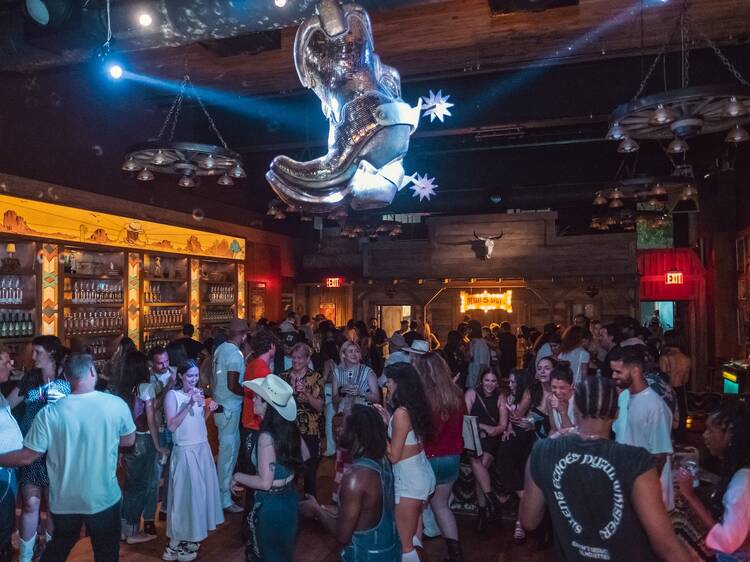
I have noticed something interesting over the past year. More people are choosing lounges over traditional clubs, especially groups in their late twenties and thirties.
Honestly, I understand it.
You can actually talk to people.
The city has also shifted toward hybrid nightlife spaces where dinner slowly turns into music and dancing later at night. That model feels more relaxed and easier to enjoy compared to standing shoulder to shoulder inside massive clubs all evening.
Places around SoHo, NoHo, and the Lower East Side fit this trend particularly well. You will see groups start with cocktails at quieter lounges before deciding whether they even want a club afterward.
A few things usually separate a good lounge from a forgettable one:
- Comfortable seating layout
- Strong cocktail service
- Music loud enough for energy but low enough for conversation
- Staff that do not rush tables constantly
You would think those standards are basic. In New York nightlife, they are not.
Private Clubs And Membership Spaces
Private member clubs became huge after the pandemic, especially among people tired of crowded nightlife scenes. Some still work well for networking and smaller social gatherings, but others feel more focused on exclusivity than atmosphere.
Zero Bond probably represents the best known version of that world right now. The appeal is privacy and controlled access rather than traditional nightlife chaos.
Still, there is growing pushback against overly filtered nightlife environments. Many people are moving back toward spaces that feel more spontaneous and social again. That shift explains why classic club culture is making a noticeable comeback across Manhattan.
Did you know?
Recent nightlife reporting in New York suggests younger crowds increasingly prefer venues where dining, music, and social interaction blend together naturally instead of rigid VIP only environments.
That trend honestly makes sense. Nobody wants to feel trapped at a table all night just because they prepaid for it.
How To Avoid Rookie Mistakes On A VIP Night Out

The most expensive mistake people make is trying to force a certain type of night. I have watched groups spend thousands on giant club tables when half the group clearly wanted a quieter lounge.
That never ends well.
A smarter approach usually looks something like this:
- Start at a cocktail lounge
- Move to a club only if the energy feels right
- Split table costs before arriving
- Keep transportation simple and centralized
- Stay realistic about how long your group actually wants to stay out
One more thing people rarely mention. Dress codes still matter in Manhattan nightlife. Even in places claiming to be relaxed, poorly planned outfits create problems at the door.
No, you do not need tuxedos.
But sneakers, wrinkled shirts, athletic wear, or oversized tourist groups still reduce your chances in many venues. Especially on Fridays and Saturdays.
The reality is simple. New York nightlife rewards preparation more than spontaneity.
Frequently Asked Questions
1. Can you enter a NYC club alone and still get a good VIP experience?
Yes, but it depends heavily on the venue. Some upscale lounges and smaller nightlife spots are perfectly comfortable for solo guests, especially if you enjoy conversation and cocktails more than large dance floors. Big clubs built around table culture can feel awkward alone unless you already know people there.
2. What happens if a club is too empty after you book a table?
It happens more often than people expect, especially during slower weekends or bad weather. Some venues still maintain minimum spends even when crowds are weak. That is why checking recent event schedules and DJ lineups before booking matters more than flashy social media clips.
3. Are NYC nightlife prices different during fashion week or major events?
Definitely. During fashion week, New Year’s Eve, big sporting weekends, and major music events, table minimums can increase dramatically. Some clubs double pricing simply because demand spikes for a few nights.
4. Is Brooklyn nightlife becoming a real alternative to Manhattan VIP culture?
A lot of people think so. Brooklyn nightlife usually feels less formal and less focused on status. You still find upscale cocktail spots and private event spaces there, but the atmosphere often feels more relaxed compared to traditional Manhattan club culture.
5. Do NYC clubs care if your group has an even gender ratio?
In many high profile venues, yes. Larger groups with balanced ratios generally have an easier time getting reservations and favorable table placement. It is not officially advertised, but nightlife hosts absolutely pay attention to group composition during busy nights.
Before You Book Anything
VIP nightlife in New York works best when you stop chasing hype and start thinking about comfort, crowd quality, and energy. Some nights genuinely deserve a private table. Other nights feel better with two cocktails at a smaller lounge and nowhere to rush afterward.
That balance matters more than social media makes people believe.
The city still has incredible nightlife when you choose carefully. The trick is knowing the difference between places built for appearances and places where people are actually having a good time.