

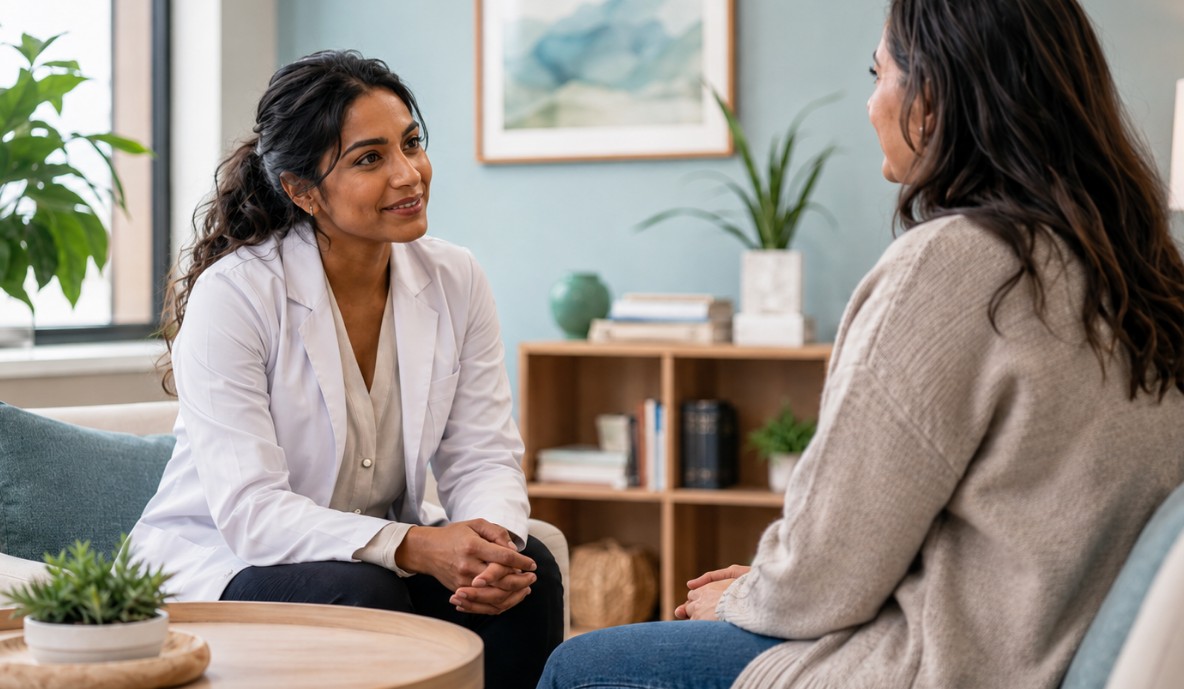
Whole person care emphasizes treating the complete individual, taking both physical and mental health into account instead of merely focusing on symptoms.
When physical and mental health are integrated, patient outcomes improve significantly, leading to higher treatment compliance and enhanced overall well-being.
Patients involved in whole person care often report greater satisfaction and emotional stability, ultimately reducing their reliance on acute care services.
The implementation of whole person care heavily relies on primary care providers who conduct routine screenings, provide ongoing education, and engage actively with patients.
Collaboration between primary care and behavioral health partners can enhance health outcomes by establishing a shared vision for integrated patient care.
Technology is key in improving communication and streamlining the referral process, which effectively enhances patient experiences and access to necessary care.
Emerging trends in behavioral health emphasize integrated approaches addressing social determinants and leveraging data analytics for tailored treatment plans.
Opening up the Power of Whole Person Care in Behavioral Health
What Is Whole Person Care and Why It Matters

Whole person care signifies a necessary transformation in how healthcare professionals approach treatment. It elevates the whole individual, considering both their symptoms and underlying issues. Experts argue that comprehending both physical and mental health concerns leads to a much more robust diagnostic and treatment arena. However, many are still caught up in a segmented system that overlooks this. Genuine integration acknowledges that a person’s physical conditions can have significant ramifications on their mental health, and vice versa. This interconnectedness is vital.
Grasping a patient’s emotional state can significantly improve physical health outcomes, while addressing mental health issues can, in fact, relieve chronic conditions. Every professional must recognize this critical relationship to facilitate effective interventions.
What does practical application look like? Consider a patient suffering from chronic pain while also facing anxiety. Treating only their physical pain without acknowledging their anxiety will likely lead to less-than-ideal outcomes. Recognizing the individual as a whole enables truly impactful care.
Integrating Physical and Mental Health: A Game Changer
Bringing together physical and mental health has significant ramifications for effective patient care. Studies indicate that individuals receiving whole person care tend to enjoy improved health results. They show higher compliance with treatment plans, are more likely to attend appointments, and experience considerable enhancements in overall well-being.
Healthcare providers are increasingly recognizing this synergy. Fortunately, collaborative models that blend the strengths of primary care and behavioral health are emerging, pushing the boundaries of comprehensive treatment.
- Shared Care Plans: Creating care plans that involve both physical and mental health professionals fosters a comprehensive approach to treatment.
- Team-based Approaches: Utilizing diverse skill sets enables teams to handle complex patient scenarios with greater effectiveness.
- Regular Communication: Ongoing discussions among care providers help to bridge any gaps in treatment.
How Whole Person Care Impacts Patient Outcomes
The effect of whole person care on patient outcomes is significant. Patients frequently mention greater satisfaction, improved emotional stability, and a substantial drop in reliance on acute care services. Why does this happen? It fosters teamwork amongst caregivers, ensuring that every aspect of treatment receives attention and is streamlined.
Additionally, when patients feel valued and listened to, their compliance tends to increase. Rather than merely treating symptoms, professionals can focus on core issues by employing intervention strategies tailored to the comprehensive needs of the individual.
“Treating the whole person leads not only to better health outcomes but also to a better patient experience.”
Effective Strategies for Implementing Whole Person Care
Best Practices for Primary Care Providers
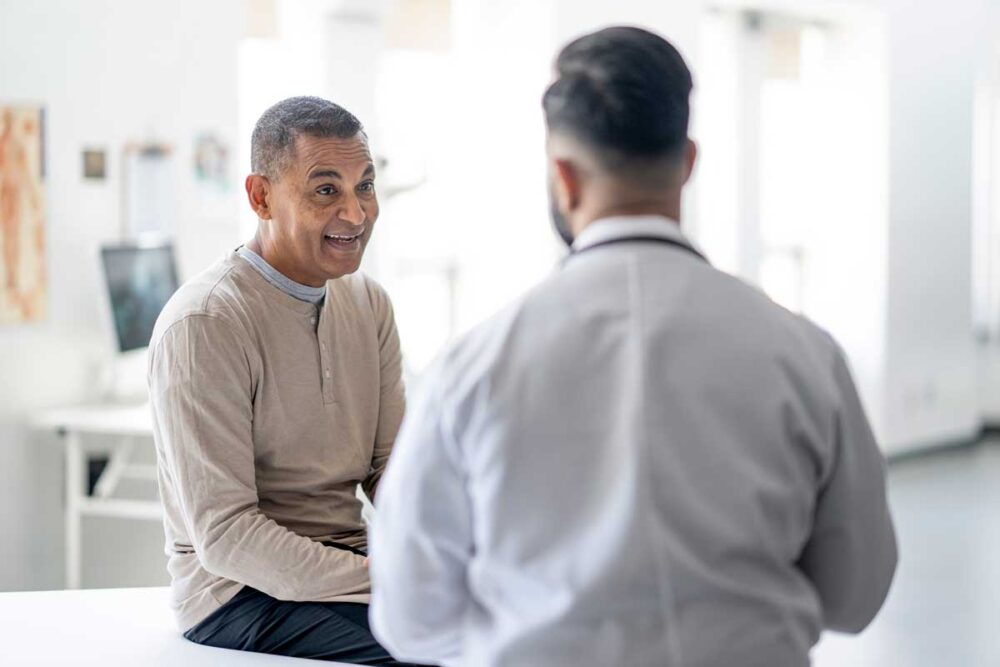
Primary care providers play a vital part in bringing whole person care to life. They sit at the forefront of patient interactions, which makes them ideal gatekeepers for an integrated approach. To thrive in this landscape, providers should adopt particular practices.
- Routine Screenings: Include assessments for both physical and mental health during annual check-ups.
- Continuing Education: Engage in ongoing training to grasp the complexities of dual diagnoses.
- Patient Engagement: Cultivate an environment that encourages patients to voice their needs actively.
These best practices lay the groundwork for a more informed, engaged, and active patient population—key elements for effective treatment.
Building Collaborative Models: The Role of Behavioral Health Partners
Collaboration between primary care and behavioral health partners yields benefits that cannot be overstated. It’s not simply about referrals; it involves crafting a shared vision for patient care. When these elements work cohesively, a comprehensive array of services can be delivered efficiently.
- Integrated Treatment Protocols: Implement standardized protocols for patients facing both mental and physical health challenges.
- Joint Care Meetings: Schedule regular gatherings for medical and mental health professionals to discuss cases and devise strategies.
- Shared Electronic Health Records: Utilize an interoperable digital system for smooth information flow among providers.
Technology’s Role in Streamlining Referrals and Treatment
Technology underpins effective whole person care by facilitating rapid communication and guaranteeing timely service access. Digital health tools can monitor a patient’s progress, while telehealth options simplify interactions between patients and their caregivers.
As patients become increasingly comfortable with technology, they expect their healthcare to follow suit. An electronic referral system can cut wait times and keep everyone aligned. These advancements allow providers to devote more time to patient care rather than administrative duties.
“Technology not only streamlines processes but also enhances the patient experience, making healthcare more accessible.”
Real-World Case Studies: Success Stories of Whole Person Care
Powerful Results in Treatment Compliance

Examining case studies from the real world highlights the importance of adopting whole person care. For instance, a community health center that included behavioral health screenings in routine physical exams saw impressive outcomes. The result? A remarkable rise in treatment compliance among patients managing chronic conditions.
With shared care approaches in play, providers noted a 30% increase in adherence to treatment plans. When care feels thorough and complete, patients tend to respond more positively. These figures reinforce the compelling nature of addressing every aspect of patient health.
Enhancing Patient Engagement Through Informed Care
Another insightful case study involved a practice that carried out patient education sessions focusing on chronic illness management. They provided resources that addressed both mental and physical health facets. The outcome? Patients increasingly engaged in their treatment, transitioning from passive recipients to active participants in their care.
- Personalized Education: Customizing information to suit individual patient situations made the sessions more relevant.
- Facilitated Discussions: Open discussions encouraged patients to voice concerns and ask questions.
- Follow-up Communication: Regular check-ins fostered accountability.
Collaborative Approaches: Lessons from Leading Providers
Leading providers who incorporate whole person care principles have observed remarkable results. Organizations that invest in cross-disciplinary teams often see rising patient satisfaction levels. By weaving various expertise together, criticisms of traditional treatment methods tend to fade, paving the way for a comprehensive healing approach.
In the end, collaboration fosters enhanced communication among staff, enriched patient experiences, and streamlined problem-solving. When one cohesive voice advocates for the patient’s well-being, success is usually the outcome.
Working through Challenges in Whole Person Care Adoption

Overcoming Barriers to Integration in Healthcare Settings
Of course, stepping into whole person care does come with hurdles. A significant obstacle is the deeply entrenched silos separating physical health from mental health providers. Dismantling those barriers takes dedication and a change in perspective. Providers must recognize that true care cannot be isolated; it thrives on integration.
Training sessions can equip teams to collaborate effectively. Moreover, fostering an organizational culture that appreciates the contributions of all disciplines is essential.
- Creating Thorough Policies: Develop protocols that integrate both health aspects into every strategy.
- Encouraging Interdisciplinary Training: Ensure that professionals from diverse backgrounds attend joint educational sessions.
- Emphasizing Team Accountability: Clearly define team roles to ensure patients receive comprehensive treatment.
Ensuring Continuous Care: Key Considerations for Providers
Continuous care is a critical component for successful whole person care. Patients frequently navigate between various healthcare environments, which can lead to miscommunication or gaps in treatment. Effective providers acknowledge the importance of consistent follow-ups to keep patients from slipping through the cracks.
Essential elements include robust tracking systems, regular reviews of patient progress, and clear lines of communication among all parties involved. A steadfast commitment to follow-through can substantially improve outcomes for patients.
The Future of Behavioral Health: Trends Shaping Whole Person Care
As behavioral health continues to evolve, trends indicate a shift toward increasingly integrated approaches. There is a growing acknowledgment of the significance of addressing social determinants of health. Understanding that a patient’s environment can greatly influence their overall health is crucial in crafting effective whole person care.
New data analytics tools and predictive modeling are set to further refine care delivery. Soon, personalized treatment plans will become standard, utilizing technology to address individual needs.
With these innovative practices paving the way, it’s evident that the value of whole person care is not just a passing trend; it’s setting a new benchmark in behavioral health.
FAQ
What role does patient feedback play in whole person care?
Patient feedback is vital for shaping whole person care strategies. Providers regularly analyze this feedback to enhance service delivery, ensuring that care plans are tailored to meet each individual’s unique needs and preferences.
How can a patient advocate for whole person care within their treatment?
Patients can champion whole person care by clearly communicating their physical and mental health concerns to their providers. Expressing a desire for integrated treatment may prompt providers to embrace a more comprehensive approach.
What communities benefit the most from whole person care?
Communities facing high occurrences of chronic illness, mental health challenges, or limited access to healthcare often reap substantial benefits from whole person care. Integrating services for these populations enhances health outcomes and improves overall quality of life.
How is technology being used to enhance patient engagement in whole person care?
Technology promotes real-time communication between providers and patients, facilitating engagement. Solutions like patient portals and mobile applications enable patients to access health information, set appointments, and communicate remotely with their care teams.
What training do healthcare providers need for effective whole person care?
Healthcare professionals should prioritize interdisciplinary training that spans both physical and mental health. Training focused on communication skills and patient-centered care strategies empowers providers to implement effective whole person care models.
How does whole person care interact with public health initiatives?
Whole person care is closely aligned with public health efforts aimed at promoting wellness within communities. By tackling mental health and social determinants, providers contribute to broader public health objectives, ultimately improving health outcomes at a community level.
What is the impact of policy changes on whole person care implementation?
Policy shifts can significantly affect the integration of whole person care. Supportive healthcare policies that encourage interdisciplinary collaboration can motivate providers to adopt whole person care models and streamline resources for enhanced outcomes.
Are there any specific assessments used in whole person care?
Yes, there are specific assessments employed to evaluate both physical and mental health concurrently. These assessments often include screenings for prevalent mental health conditions alongside standard physical evaluations, guaranteeing a comprehensive understanding of patient needs.