


An accident claim delay can add paperwork and stress to normal life. The car still needs repairs, the medical bills keep arriving, and the adjuster needs “one more document.” Before you assume the insurer is acting in bad faith, get organized.
Some delays are routine. Others are not. Your best move is not to argue louder. It is to create a clear record, ask precise questions, protect your deadlines, and know when the situation needs help.
And yes, I would be irritated too, especially when everyone sounds polite but nothing changes.
Start by figuring out whether the delay is normal
A delayed accident claim is not automatically misconduct. The insurer may still be checking medical records, repair estimates, witness statements, liability, or policy coverage. That can be reasonable when injuries are being treated or fault is disputed. The problem begins when the explanation stays vague.
Ask yourself a few blunt questions. Has the adjuster told you exactly what is missing? Are they asking for the same papers again? Are updates verbal, with nothing confirmed in writing? If every call ends with “we are still reviewing it,” write down the date, the person’s name, and the exact wording.
The NAIC says delays, denials, and unsatisfactory settlements are common reasons consumers file complaints with state insurance departments.
Put your claim file in order before you push harder
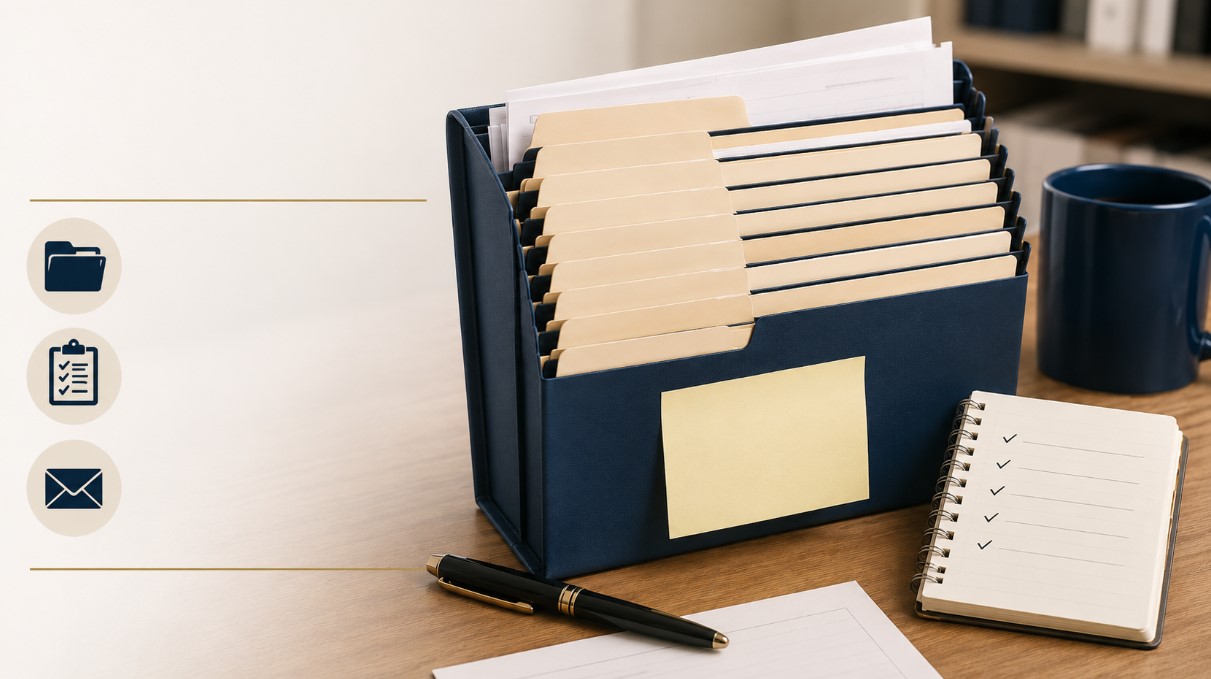
Before you escalate, make the file easy to understand. I know, paperwork is dull, but this is where people lose control of their claim. If your documents are scattered through texts and emails, the insurer can delay more easily.
Keep one folder with the accident report, photos, medical bills, repair estimates, claim number, policy details, emails, rental receipts, and call notes. Then send a short written follow-up asking what is pending and when to expect the next decision.
For Louisiana accident victims whose delay is affecting care, repairs, or household finances, McGinity Law Firm’s experience with insurance and personal injury matters may be relevant, especially for people in Mandeville, Covington, the greater New Orleans area, and across Louisiana.
Ask for the exact reason, not another vague update
The most useful question is not “When will you pay me?” It is “What specific information do you still need to evaluate this claim?” See the difference? One often gets a non-answer. The other asks for a trackable answer.
Send the question by email, or certified mail if the claim has been sitting too long. Keep your tone calm and factual. You are building a written record showing that you cooperated and asked for clarity.
|
What to ask |
Why it matters |
| What documents are missing? | It limits open-ended requests. |
| Who is reviewing the file? | It identifies responsibility. |
| What date should I expect a decision? | It gives you a deadline to track. |
After that, save the answer. No answer matters too.
Watch for delay tactics that deserve attention

Some delays are ordinary. Others deserve a closer look. You may see repeated requests for documents you already sent, changing explanations, silence after you provide records, or pressure to accept a quick settlement before your injuries and expenses are fully clear. None of that automatically proves bad faith, but it does mean you should slow down.
Pay attention when you notice:
- No written explanation for the delay
- Repeated requests for the same records
- Pressure to settle before treatment is complete
- Confusion about coverage that appears late
Here is my practical test: could you explain the timeline using only documents, not memory? If not, improve the record. Emails, receipts, claim notes, and dated follow-ups are easier to verify when the timeline is checked.
Use regulators, but know their limits
If the delay continues, your state insurance department may help. The NAIC recommends gathering supporting documents, photos, email correspondence, and a call log before filing a complaint.
In Louisiana, the Department of Insurance says it can enforce Louisiana insurance laws, provide consumer information, and investigate complaints against companies, agents, or adjusters. It also says it cannot act as your lawyer, give legal advice, decide fault disputes, or resolve complaints based only on one person’s word.
Important note: A regulator may review insurance conduct, but a personal injury attorney can review damages, liability, settlement value, deadlines, and whether legal action is needed.
That matters for your next step.
Know whether state deadlines may apply
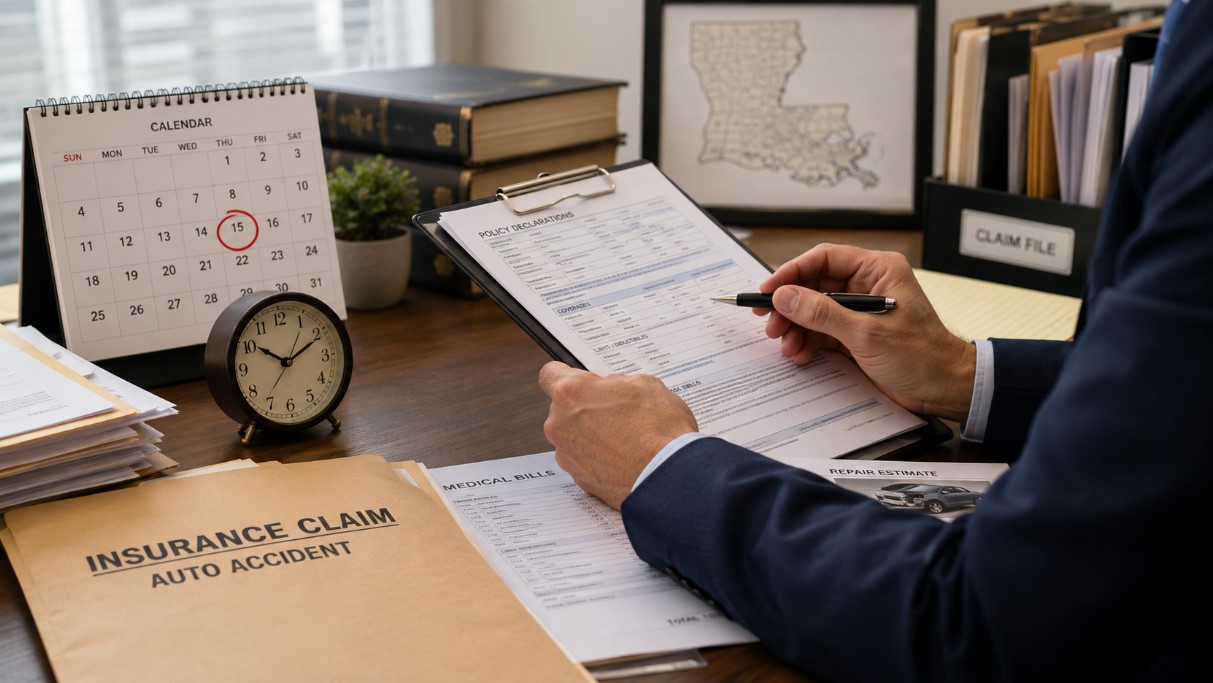
Insurance deadlines are state-specific, so be careful with advice that sounds universal. In Louisiana, the law generally requires insurers to pay the amount of a claim due to an insured within thirty days after receiving satisfactory proofs of loss, with separate rules for certain third-party claims.
The same law addresses penalties when failure to pay or make a written offer is found arbitrary, capricious, or without probable cause.
That does not mean every slow claim creates penalties. Facts matter. What did you submit? Was it complete? Was the amount due? Did the insurer have a reasonable basis to keep investigating?
Escalate calmly and protect your daily life
Once your file is organized, send a written request for a status update and a deadline. If that fails, ask for a supervisor. If that goes nowhere, consider a state insurance complaint. If injuries, lost income, disputed fault, or a low offer are involved, speak with an accident attorney before signing.
Do not threaten steps you are not prepared to take. Do not exaggerate facts. Do not post claim details online. Do not give a recorded statement without understanding the request.
Meanwhile, keep receipts for rentals, repairs, medical visits, prescriptions, and out-of-pocket costs. Photograph vehicle damage before repairs. Follow medical advice and avoid unexplained treatment gaps. A delayed claim is stressful enough. Do not let poor recordkeeping create a second problem.
Final thoughts
When an insurance company delays your accident claim, respond with structure, not panic.
Ask specific questions.
Send follow-ups in writing.
Keep photos, medical records, repair estimates, receipts, claim notes, and emails together.
Use your state insurance department when the delay appears unfair, and get legal guidance when injuries, disputed fault, or serious money are involved.
A slow claim can be frustrating, but you do not have to handle it by guessing. The cleaner your file is, the harder it is to treat your claim casually over time, which matters today.