

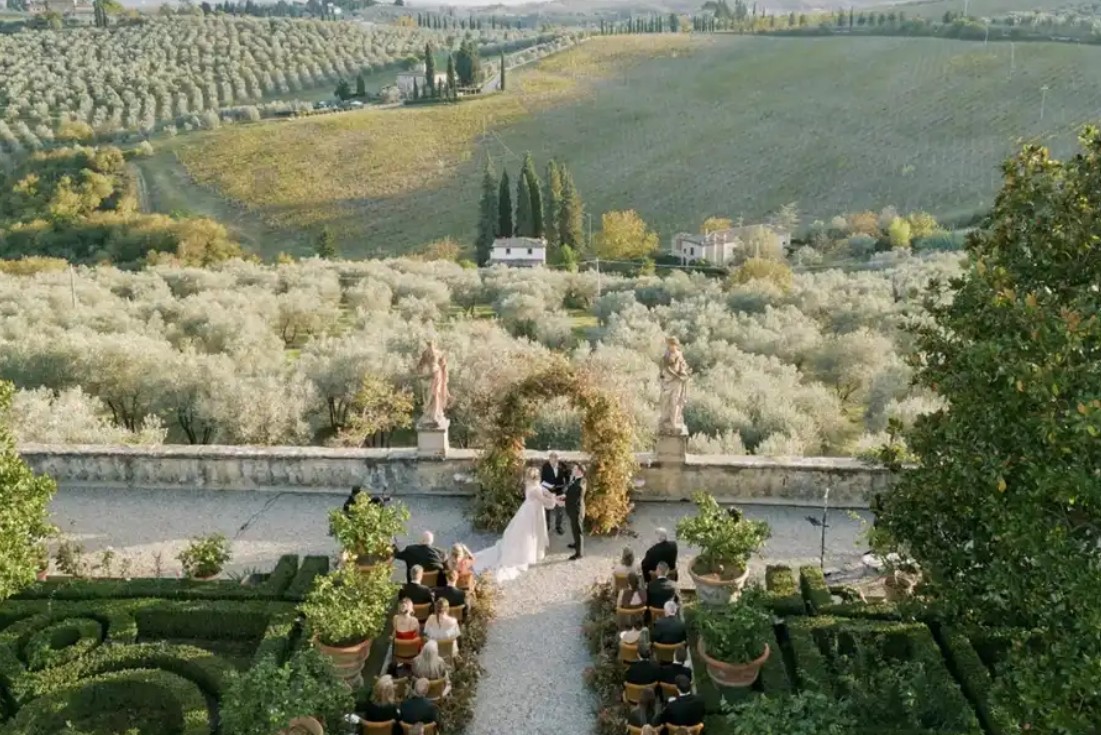
Let’s picture the poetic beauty of a terrace overlooking the sea, the warm light of sunset, guests arriving by boat along the coast. Or a Tuscan garden at dusk, cypresses stretching their shadows over the grass and tables laid beneath a pergola.
Images like these live in the minds of many couples who choose Italy for their wedding. The step from the dream to the real fairytale, though, has a name: the right wedding planner.
The person who listens to that vision with empathy, makes it possible, and orchestrates every detail from the first idea to the final toast.

Wedding planner in Italy: specialization comes before style
Every professional has a field where they do their finest work. Some focus on destination weddings, international couples, multi-day celebrations or multicultural events, while others specialize in large-scale luxury productions.
Specialization reveals not only what a wedding planner offers, but also the depth of their experience. That is why the search for the right wedding planner in Italy begins with this consideration: even before looking at style, we should ask about their field of specialization. Nicole Sparvieri, for example, plans bespoke destination weddings in Italy, creating celebrations shaped around each couple’s vision. This is why specialization should come before style when choosing the right wedding planner.
What a Wedding Planner’s Portfolio Can Tell You
The portfolio is the most honest tool for understanding how a wedding planner works. The photographs are always beautiful, polished, full of light, but what do they tell us beneath the surface? A mature portfolio sets an understated wedding beside a lavish one, a party by the sea beside a ceremony in a historic villa, and each event tells its own story.
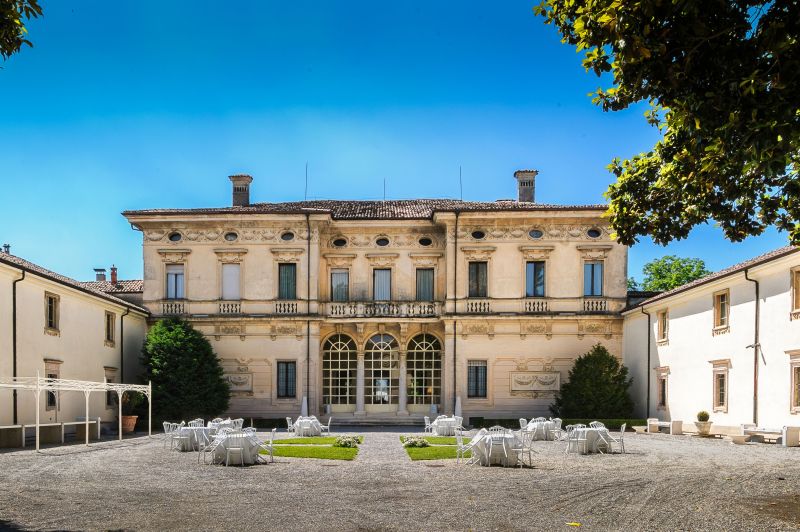
The style, the details, the care given to guests, the continuity of the narrative: the portfolio shows us the planner’s direction, her signature, and also her talent for creating something unique and recognizable for every couple. So we can spot a clear signal: that of work cut to measure, far from a ready-made wedding template.
Questions to Ask Before Choosing a Wedding Planner
The first conversation should help you understand more than the planner’s taste. It should also reveal how they communicate, organize decisions and respond when circumstances change. Before making a choice, ask questions such as:
- How many destination weddings do you plan each year? This shows how much attention the planner can realistically dedicate to each couple.
- Have you worked at our preferred destination or venue? Local experience can simplify supplier selection, transport and venue coordination.
- Which services are included? Confirm whether the planner manages design, budgeting, guest logistics, supplier contracts and the entire wedding weekend.
- How do you handle unexpected changes? Weather, transport delays and supplier issues require calm decisions and a clear backup plan.
The answers should be specific rather than general. A planner who explains their process clearly from the beginning is more likely to provide the same clarity throughout the months of preparation.
How the Destination Shapes Your Wedding Celebration
The choice of location leaves a clear mark on every celebration. The same couple, with the same budget, can experience three very different weddings depending on the destination. These three Italian locations are especially popular with international couples:
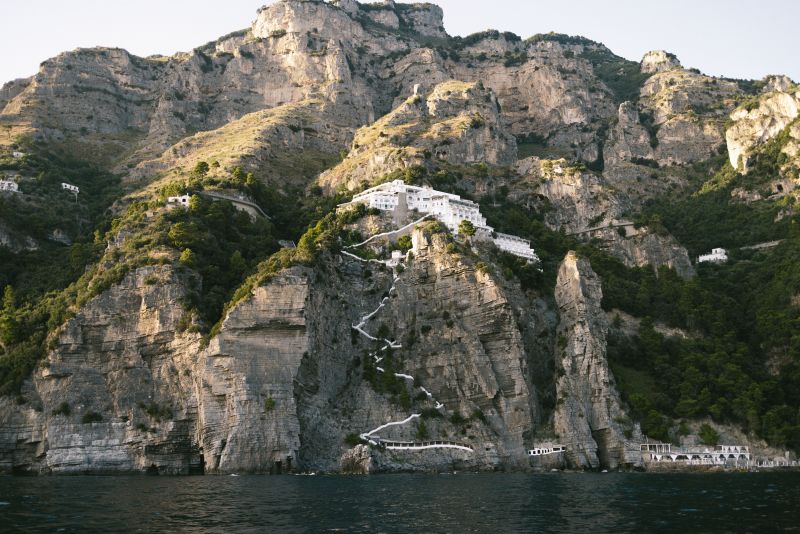
- Amalfi Coast: Terraces overlooking the sea, lemons, bougainvillea and guests arriving by boat create a distinctly Mediterranean atmosphere. As the sun sets over Positano, the UNESCO-listed coastline becomes a dramatic backdrop for an elegant evening celebration.
- Tuscany: Farmhouse villas, Italian gardens, vineyards and rows of cypress trees set a slower, more intimate pace. Many couples plan an entire wedding weekend here, sharing a villa with their guests and enjoying vineyard dinners, poolside afternoons and visits to nearby villages.
- Lake Como: Historic villas, terraced gardens and boat transfers between different shores give the wedding a cinematic feel. The setting is magnificent, but its logistics require careful planning and coordination by an experienced wedding planner.
A Clear Budget Protects the Original Vision
A wedding budget is not simply a spending limit. It helps the planner decide where the celebration should make its strongest impression and where simpler choices will work just as well.
The first version should include the venue, catering, design, entertainment, photography, transport, accommodation-related services and planning fees. It should also leave room for taxes, delivery charges, overtime and last-minute adjustments. These smaller expenses can become significant when several venues or events are involved.
A good planner does not merely collect quotations. They explain how each decision affects the complete experience. If the chosen venue requires extensive transport or technical production, for example, less of the budget may remain for floral design or entertainment. Clear priorities make these decisions easier without losing the character of the wedding.
Plan the Experience from the Guests’ Perspective
Destination weddings are also journeys for the people attending them. Guests may be visiting Italy for the first time, travelling with children or arriving from several countries. Their experience begins before the ceremony, often with the first travel information they receive.
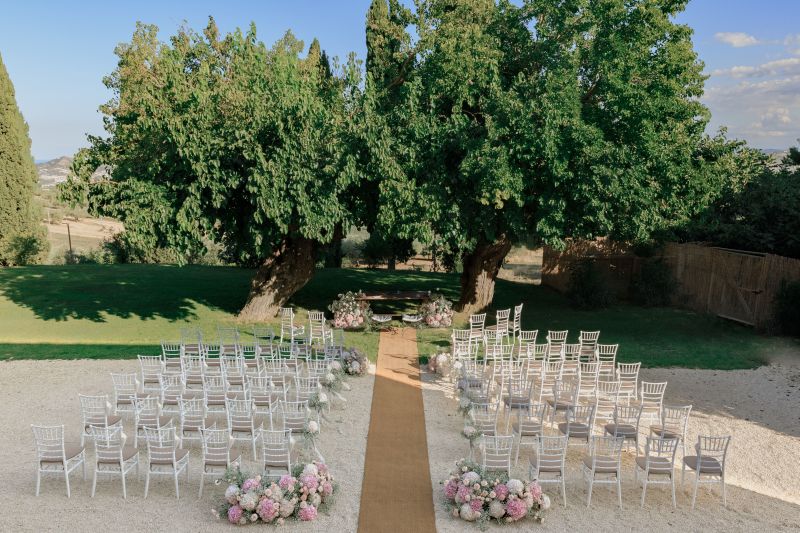
Clear guidance about airports, accommodation, transfers, dress codes and the weekend schedule prevents confusion. Welcome notes, refreshments on arrival and thoughtful transport arrangements can make guests feel cared for without requiring extravagant gestures.
It is also important to leave some breathing room in the programme. A weekend filled with continuous activities may look exciting on paper but become tiring in practice. The best itineraries balance shared experiences with enough free time for guests to rest, explore the destination or simply enjoy the venue.
From the first meeting to directing the wedding weekend
Bringing every detail together requires an experienced wedding planner. Rather than choosing based on price alone, consider each planner’s ability to listen, understand your ideas and turn them into a clear and realistic plan.
The process usually begins with an initial meeting, followed by budget planning, location scouting and the selection of professionals such as photographers, florists, caterers and musicians. Design and styling then give the celebration its character, while careful coordination keeps everything running smoothly throughout the wedding weekend.
Ultimately, a successful celebration depends on trust and close collaboration between the couple and their wedding planner. This shared understanding helps preserve the original vision, even when plans change or last-minute decisions need to be made.