

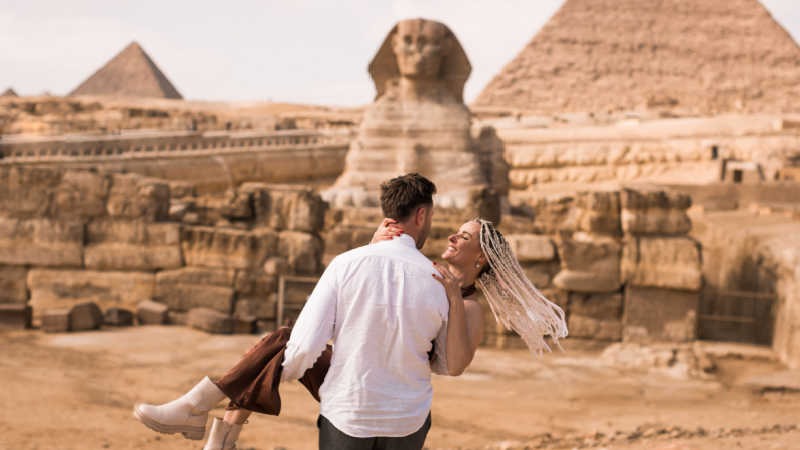
For travelers who are passionate about the past, few destinations compare to Egypt. This remarkable country is more than just a place on the map but a living timeline of human civilization.
Here, history is not confined to museums behind glass; it rises from desert sands, towers over city skylines, and stretches along the banks of the Nile.
From colossal pyramids to hidden royal tombs, from ancient temples to medieval streets, Egypt offers a rare opportunity to step directly into stories that shaped the ancient world.
If you are fascinated by archaeology, mythology, architecture, and the rise and fall of empires, Egypt is truly unmatched.
Here are eight powerful reasons why Egypt is a dream destination for history lovers.
1. The Great Pyramids of Giza
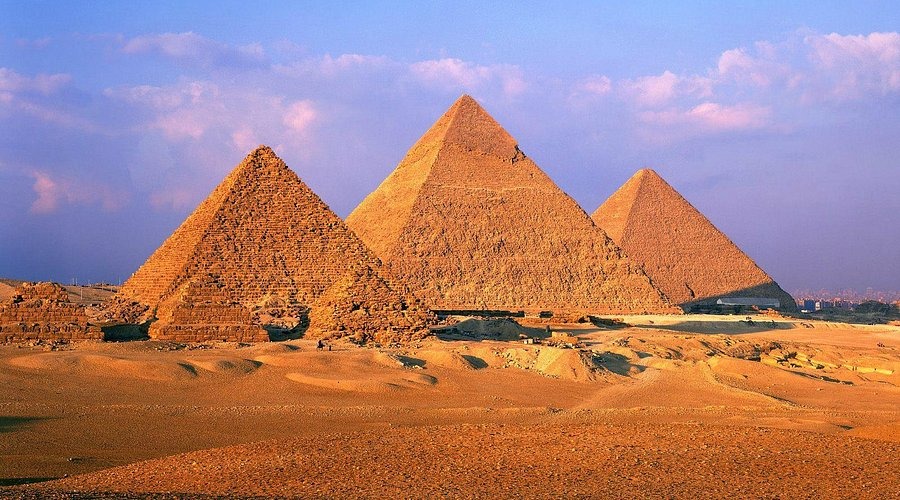
Standing before the awe-inspiring Great Pyramids of Giza is a moment that stays with you forever. Built more than 4,500 years ago, these massive stone structures remain the only surviving wonder of the ancient world.
The scale alone is breathtaking, millions of limestone blocks assembled with astonishing precision. Scholars still debate how these monuments were constructed, which only deepens their mystery. Nearby, the Sphinx gazes silently across the desert, adding an atmosphere of timeless intrigue.
For history enthusiasts, this isn’t just sightseeing. It’s standing face to face with one of humanity’s greatest achievements.
2. The Valley of the Kings
Across the Nile from Luxor, the legendary Valley of the Kings hides the burial chambers of Egypt’s most powerful rulers.
Unlike the pyramids, these tombs were carved deep into desert cliffs to protect royal treasures from looters. Descending into these chambers reveals vibrant wall paintings and hieroglyphics that remain astonishingly preserved.
Walking through these sacred spaces feels personal, as if you are stepping into the private world of ancient pharaohs who once ruled a vast empire.
3. Temples That Tell Epic Stories
Egypt’s temples are more than architectural marvels – they are stone chronicles of triumph, devotion, and power.
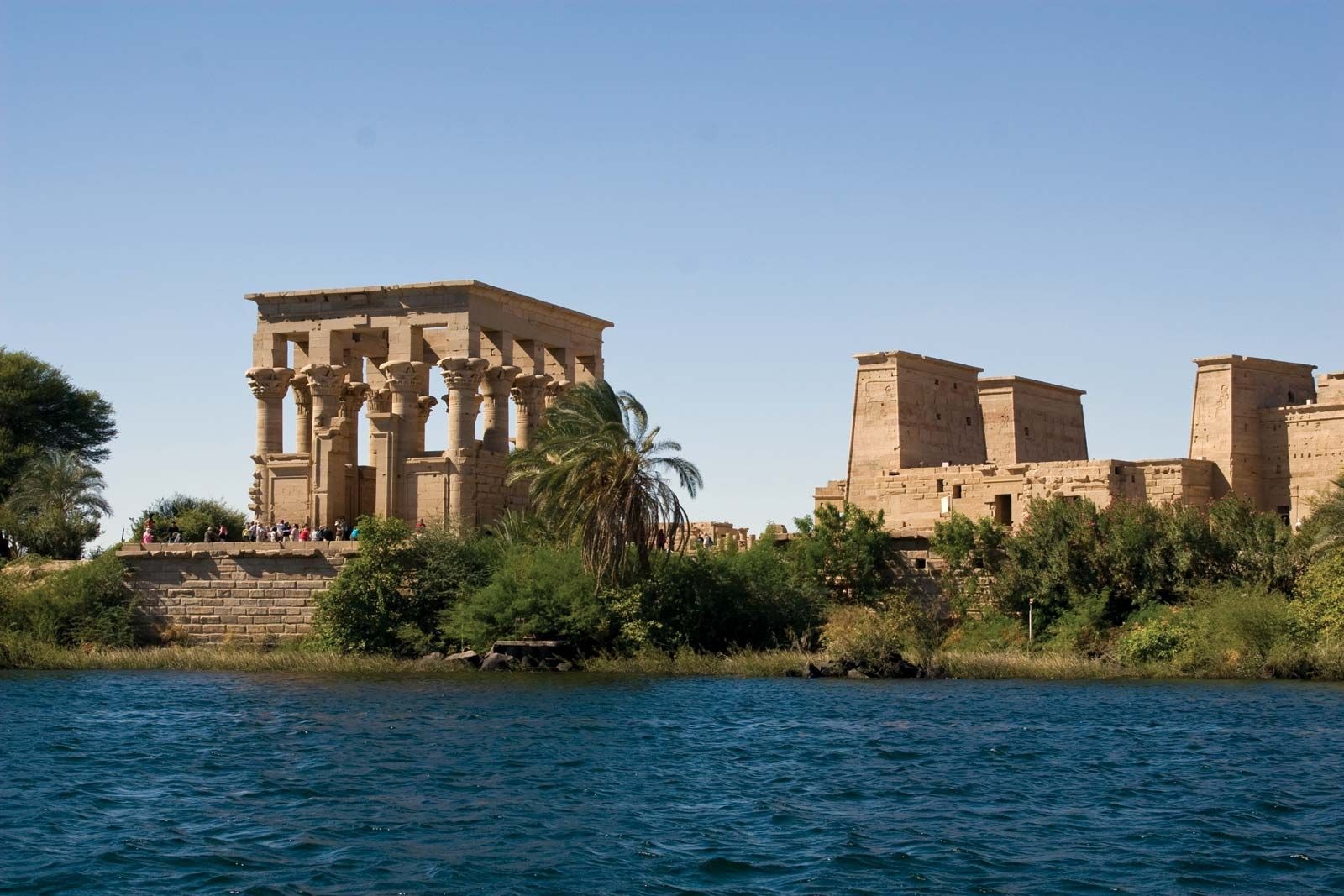
The sprawling complex of Karnak Temple features towering columns that create one of the most dramatic temple halls in the world. Meanwhile, the beautifully relocated Philae Temple stands gracefully on an island, reflecting in the Nile’s calm waters.
These sites were once vibrant religious centers filled with ceremonies, music, and offerings to the gods. Today, they allow visitors to trace mythology carved directly into stone.
4. A Civilization Spanning Thousands of Years
What makes Egypt especially fascinating is the sheer length of its recorded history. Ancient dynasties ruled for centuries before the Roman Empire even existed. Later, Greek, Roman, Coptic Christian, and Islamic influences shaped the land further.
In Cairo, visitors can move from ancient monuments to medieval mosques and Ottoman-era architecture within the same day. Islamic Cairo, in particular, features stunning mosques, madrassas, and caravanserais, showcasing centuries of intricate geometric design and calligraphy.
This blend of styles demonstrates Egypt’s ability to evolve while preserving the essence of its past.
Meanwhile, Alexandria offers a glimpse of Egypt’s Hellenistic heritage. Founded by Alexander the Great, the city once housed the legendary Library of Alexandria and the towering Lighthouse — one of the ancient world’s wonders.
Today, modern Alexandria retains traces of Greek, Roman, and Byzantine influence, providing a unique chapter in Egypt’s vast historical narrative.
Exploring these eras becomes easier and more meaningful through carefully designed Egypt tour packages, which connect iconic landmarks into a cohesive historical journey.
5. Museums Overflowing with Ancient Treasures
The Egyptian Museum offers a remarkable collection of artifacts that bring ancient daily life into focus. From golden funerary masks to delicate jewelry and carved statues, each object tells a story of craftsmanship and belief.
Seeing these treasures in person creates a powerful connection between the present and the distant past. You begin to understand not just how Egyptians built monuments — but how they lived, worshiped, and expressed beauty in everyday life.
6. The Nile: The River That Built a Civilization
The Nile is the reason ancient Egypt flourished. Its annual floods enriched the soil, allowing agriculture to thrive in an otherwise harsh desert environment. It also served as the main transportation route connecting cities and temples.
Experiencing history from the water itself offers a unique perspective. Sailing on Nile river cruises allows travelers to move between historic sites just as ancient Egyptians once did.
Watching villages, palm groves, and temple ruins pass by reminds visitors that the river has been the heartbeat of Egyptian civilization for millennia.
7. Ongoing Archaeological Discoveries
Unlike many historical destinations where research has slowed, Egypt continues to reveal new secrets. Archaeologists frequently uncover hidden tombs, mummies, and ancient settlements.
Each discovery adds new chapters to an already rich story. For history lovers, this means Egypt is not frozen in time, it is still evolving. Visiting Egypt today means witnessing a country where the past is actively being rediscovered.
8. Legendary Figures Who Shaped the Ancient World
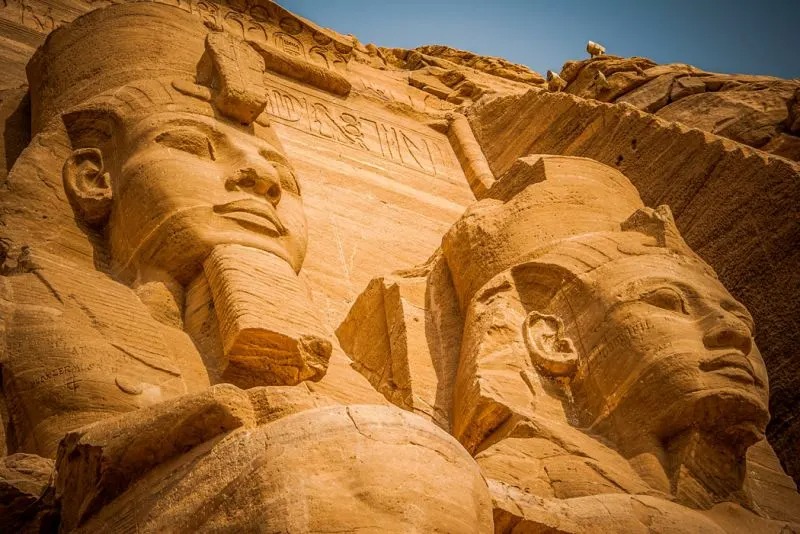
Egypt’s history is filled with powerful and charismatic leaders whose influence extended far beyond its borders. Pharaohs like Ramses II led military campaigns and built monumental temples. Queens such as Cleopatra navigated political alliances that shaped Mediterranean history.
Standing in the very places where these figures once ruled transforms names from textbooks into tangible reality.
9. Bonus: Abu Simbel and Ancient Writing
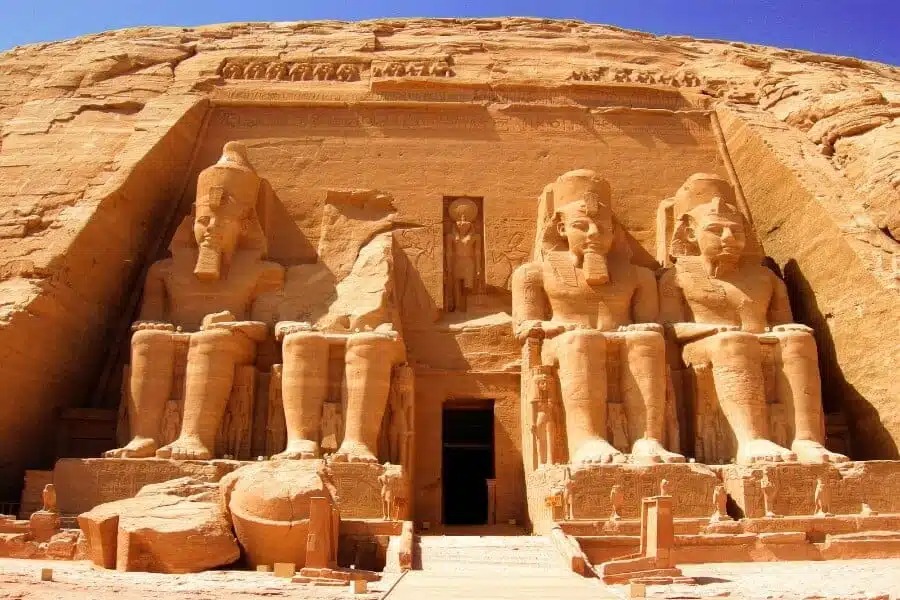
No historical trip to Egypt is complete without a visit to Abu Simbel Temples. These colossal rock temples were famously relocated in the 1960s to save them from flooding caused by the Aswan High Dam, a feat of modern engineering that preserved history for future generations.
Ancient Egyptian hieroglyphics also tell fascinating stories about daily life, religion, and politics. Studying these intricate symbols in temples, tombs, and museums connects travelers directly to the people who created Egypt’s enduring civilization.
Closing Thoughts
Egypt is an immersive historical experience. Few places allow you to stand before structures built thousands of years ago and still feel their grandeur so vividly.
From the pyramids and royal tombs to temples, museums, and the Nile itself, every site carries stories of ambition, faith, artistry, and innovation. The combination of monumental architecture, ongoing discoveries, and layered cultural history makes Egypt truly unparalleled for history enthusiasts.
For anyone captivated by ancient civilizations, Egypt offers the rare opportunity to walk directly through the pages of history and feel its presence all around you.
Frequently Asked Questions (FAQ)
- When is the best time to visit Egypt for historical tours?
The ideal period is from October to April, when daytime temperatures are cooler and more comfortable for exploring archaeological sites. - How many days are ideal for history lovers?
A minimum of 7–10 days is recommended to see major sites in Cairo, Luxor, Aswan, and possibly Alexandria. Longer itineraries allow deeper exploration without rushing. - Are guided tours necessary at archaeological sites?
While independent exploration is possible, guided tours enhance understanding. Licensed Egyptologists explain historical context, hieroglyphics, and hidden details that you might otherwise miss.