

More than half of adults worldwide try some form of gambling at least once a year, yet very few stop to compare the actual odds behind the games they choose.
Many players assume that lottery tickets and slot machines offer similar chances of winning, but the math tells a very different story.
Understanding how lottery games vs slots compare can help you make smarter decisions and avoid unrealistic expectations.
Both options rely on chance, but their payout structures, frequency of wins, and statistical probabilities vary in important ways.
Some players chase massive jackpots, while others prefer steady smaller payouts.
This guide takes a realistic look at how these two popular gambling formats compare and which one gives you better odds.
How Lottery Games Work
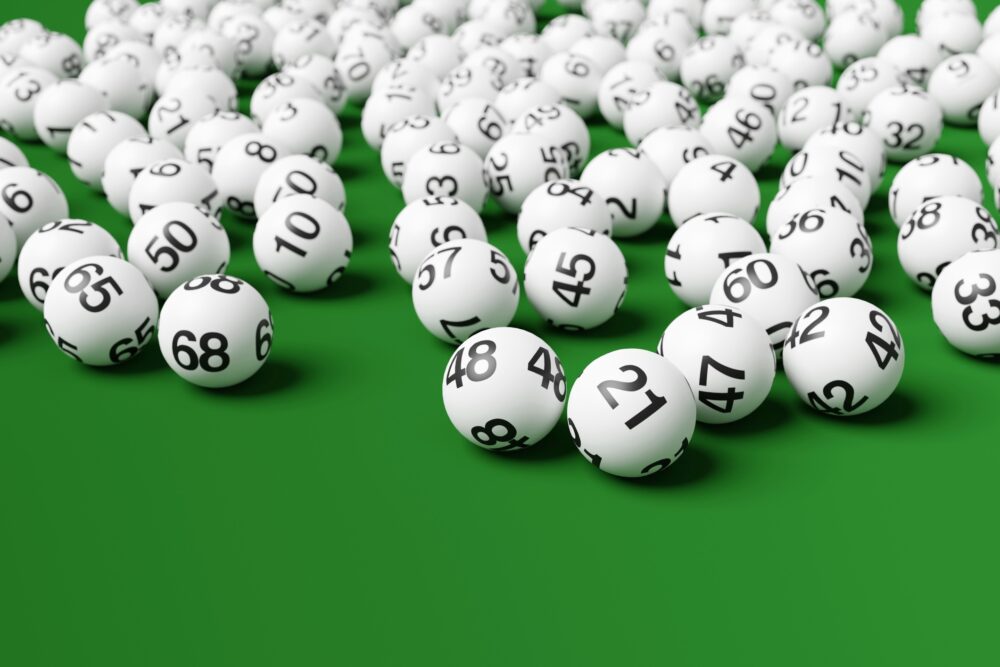
Lottery systems are built around extremely long odds and very large jackpots. Players buy a ticket and select numbers or receive randomly generated ones. Drawings usually happen daily or weekly, depending on the game.
The appeal of lotteries lies in life-changing payouts. A single ticket can turn into millions. The trade-off is the low probability of success. Major jackpots often have odds worse than 1 in 100 million.
Most lottery games operate with a fixed payout structure:
- A large jackpot for matching all numbers
• Medium prizes for partial matches
• Small prizes for minimal matches
Even the lower tiers often have long odds. Many players go months or years without any significant win.
Did you know?
Some national lotteries have jackpot odds exceeding 1 in 300 million, making them statistically less likely than being struck by lightning in your lifetime.
This extreme risk-reward model defines lotteries and explains why they attract dreamers willing to trade consistency for possibility.
How Slot Machines Work
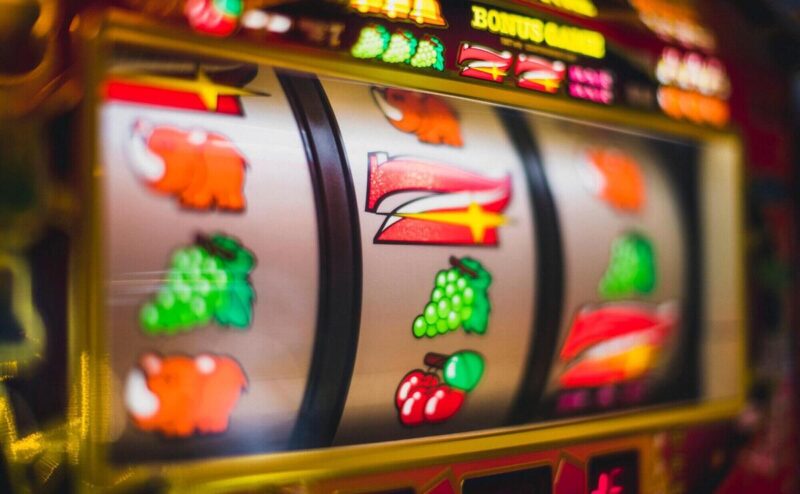
Slot machines are based on random number generators that produce results instantly. Every spin represents a new independent event with its own probability.
Modern digital platforms often include different formats such as table-style betting or quick-result options available through interactive bet games interfaces, which blend traditional betting mechanics with rapid outcomes.
These formats appeal to players who prefer frequent results instead of waiting for scheduled draws.
Slot machines usually operate with a Return to Player percentage, commonly called RTP. This figure represents the theoretical amount returned to players over long periods.
Typical RTP values:
- 92 percent to 96 percent for online slots
• 85 percent to 90 percent for many physical machines
Higher RTP does not guarantee profit. It only reflects long-term averages across thousands of spins.
Because results appear quickly, slots offer a very different experience than lottery games.
Comparing the Odds of Winning
The key difference between lottery games vs slots comes down to probability structure. Lottery tickets offer rare but enormous payouts, while slots produce frequent smaller wins.
The table below shows a simplified comparison.
| Factor | Lottery Games | Slot Machines |
| Typical jackpot odds | 1 in 10 million to 1 in 300 million | 1 in 5 million to 1 in 50 million for top prizes |
| Small win probability | Very low | Relatively common |
| Game frequency | Weekly or daily draws | Instant results |
| Average RTP | Often 50 to 70 percent | Usually 90 to 96 percent |
| Win consistency | Rare | Frequent small payouts |
Slots generally provide better statistical chances of seeing a win. Even modest payouts occur far more often than lottery prizes.
Lottery players rely on rare events, while slot players experience a continuous cycle of wins and losses.
Understanding this distinction helps set realistic expectations.
What “Better Odds” Actually Means
Better odds do not always mean better results for every player. The meaning depends on your goals and expectations.
Some gamblers define better odds as the chance to win anything at all. Others focus on the possibility of a large payout.
Here are two ways to interpret better odds:
Frequency of wins
Slots provide more frequent payouts. Many players experience small wins during typical sessions.
- Bonus rounds increase chances of payouts
• Low-value wins appear regularly
• Results come quickly
Size of wins
Lotteries offer extremely large jackpots.
- Potential for life-changing money
• Fixed prize tiers
• Rare but dramatic results
Better odds usually refer to probability of winning, not size of prize. A game with smaller prizes often provides stronger statistical chances.
Understanding this distinction prevents confusion when comparing gambling options.
Risk and Player Behavior

Psychology plays a major role in choosing between lottery games and slot machines. Many people prefer games that match their emotional expectations rather than their mathematical advantage.
Lottery players often enjoy anticipation. Buying a ticket creates excitement that builds until the draw date. The experience is slow and deliberate.
Slot players often prefer immediate feedback. Each spin provides instant results, which can feel more engaging.
Different play styles tend to align with different preferences:
- Casual players often choose lotteries because they require minimal time
• Regular players often prefer slots for continuous play
• Budget-conscious players often choose smaller slot bets
Behavioral patterns matter as much as probability when people decide how to gamble.
Cost Over Time
Short-term costs can look similar between lottery tickets and slot sessions. Long-term spending often tells a different story.
A weekly lottery ticket might cost only a few dollars. Over a year, that total remains relatively modest.
Slot machines can accumulate costs faster because of continuous play. Even small bets repeated hundreds of times increase total spending.
Consider this simplified comparison:
| Activity | Typical Cost Pattern |
| Lottery tickets | Fixed periodic spending |
| Slots | Variable session spending |
| Lottery losses | Slow accumulation |
| Slot losses | Rapid accumulation |
Some players underestimate how quickly slot costs can rise. Others underestimate how little lottery players typically win.
Both formats require discipline to avoid excessive spending.
Which One Is Actually Better?

For most players, slot machines offer better statistical chances of winning something. Lottery games offer the possibility of very large payouts with extremely low probabilities.
Choosing between lottery games vs slots depends on priorities.
Slots tend to be better for players who want:
- Frequent small wins
• Continuous entertainment
• Better mathematical return
Lotteries tend to be better for players who want:
- Minimal time commitment
• Small fixed spending
• Chance at huge jackpots
Neither option guarantees profit. Both rely entirely on chance.
Understanding probabilities makes the decision clearer.
Final Thoughts
Many players never compare the math behind lottery games vs slots, yet the difference in odds is dramatic.
Slot machines generally provide stronger probabilities and more frequent wins, while lotteries deliver rare opportunities for massive payouts.
Personal preference often matters more than statistics. Some people enjoy the slow anticipation of a lottery draw. Others prefer the fast pace of slot machines and instant results.
Knowing how each format works helps you set realistic expectations and manage your budget more carefully.
When the numbers are clear, gambling becomes less about guesswork and more about informed choices.