


Travel used to follow a fairly predictable formula. You would book a flight, reserve a hotel room, maybe sign up for a guided tour, and follow a fairly standard itinerary that thousands of other travelers had already experienced before you.
For a long time, this approach worked well because people were primarily focused on visiting famous landmarks and popular destinations. But in recent years, something has changed.
Travelers are no longer satisfied with generic vacations that feel like a checklist of attractions. Instead, they want experiences that reflect who they are, what they care about, and how they want to explore the world.
Travelers Want Authentic Cultural Experiences
Another reason personalized travel is growing is the desire for authenticity. Many people today want to go beyond tourist areas and experience destinations the way locals do.
Instead of large tour buses and crowded attractions, travelers are looking for smaller, more meaningful interactions such as:
- staying in locally owned boutique hotels
- visiting family-run restaurants
- participating in cultural workshops
- exploring neighborhoods outside major tourist zones
Another reason personalized travel is becoming more popular is the renewed importance of professional travel advisors. While online booking platforms make it easy to reserve flights and hotels, they often cannot replicate the kind of detailed trip planning that a human travel specialist can provide.
Experienced travel advisors spend time understanding a traveler’s interests, preferred pace of travel, budget, and type of experiences they enjoy. Instead of offering a generic itinerary, they can build a journey that includes unique activities, local experiences, and carefully selected accommodations.
For example, agencies such as Yeti Travel support travel advisors with tools, supplier partnerships, and itinerary-planning systems that allow them to craft customized trips for clients rather than selling standard vacation packages.
Advisors working with platforms like these can access a wide network of travel suppliers,from cruise lines and resort chains to theme parks and international tour providers,making it easier to create trips that truly match each traveler’s preferences.
Technology Has Made Personalization Easier
Another major factor driving this trend is technology. In the past, planning a customized trip required a lot of research, phone calls, and coordination. Today, travelers have access to tools that make personalization incredibly simple.
Travel platforms, booking websites, and digital travel advisors now use data to recommend experiences based on preferences, previous trips, and interests. Travelers can filter accommodations by lifestyle, discover niche tours, and build flexible itineraries in ways that were almost impossible twenty years ago.
For example, someone interested in culinary travel can easily find cooking classes, local food tours, farm visits, and regional tastings within a single destination. A traveler who prefers outdoor adventure can build an itinerary focused on hiking, kayaking, or wildlife exploration.
Because technology makes these options easier to find and organize, travelers are naturally choosing trips that reflect their passions.
The Shift From Standard Tourism to Experience-Driven Travel
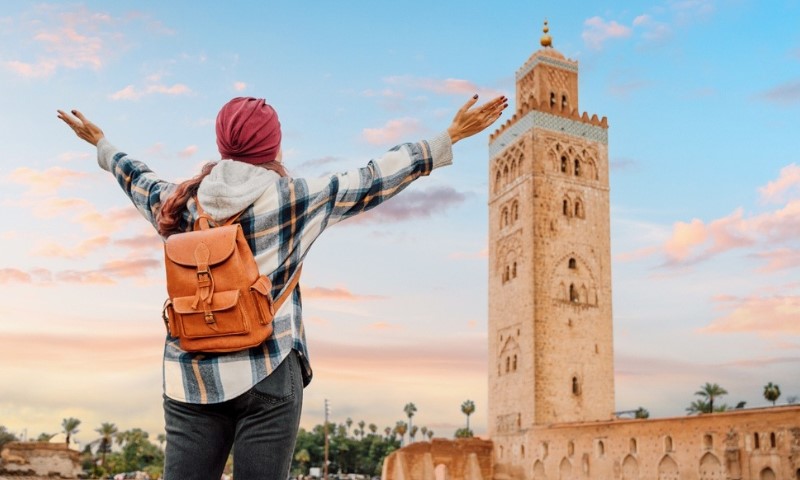
One of the biggest reasons personalized travel has grown so quickly is the shift toward experience-driven tourism. Modern travelers are less interested in simply seeing famous places and more interested in how those places make them feel.
For example, visiting Paris used to mean seeing the Eiffel Tower, the Louvre, and walking along the Champs-Élysées. Those attractions are still important, but today many travelers want more than that. They want to learn how to bake croissants in a local bakery, join a wine tasting in a small vineyard outside the city, or explore neighborhoods where locals actually live.
These kinds of experiences create stronger memories because they involve participation rather than observation. Personalized travel allows people to build trips around those moments rather than around a standard sightseeing list.
Personalization Fits Different Travel Styles
Modern travelers also have very different travel styles, which is another reason personalized itineraries are becoming more common. Some people prefer fast-paced trips filled with activities, while others want slower journeys focused on relaxation and exploration.
| Travel Style | What Personalized Travel Looks Like |
| Adventure travelers | Hiking routes, outdoor guides, nature experiences |
| Food lovers | Culinary tours, cooking classes, local markets |
| Cultural explorers | Museums, history tours, local workshops |
| Luxury travelers | Private guides, boutique hotels, exclusive experiences |
| Family travelers | Kid-friendly activities, flexible itineraries |
This flexibility is extremely valuable because it allows every traveler to shape the journey around what matters most to them.
Social Media Has Changed Travel Expectations
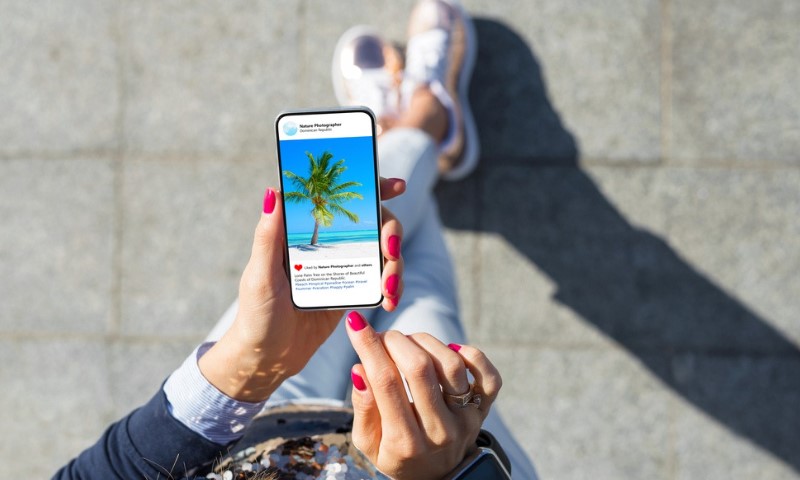
Social media has also played a major role in the rise of personalized travel. Platforms like Instagram, YouTube, and travel blogs expose people to destinations and experiences that traditional tourism rarely highlighted in the past.
Instead of simply seeing famous landmarks, travelers now discover hidden beaches, remote villages, scenic hiking routes, and unique local experiences shared by other travelers. These discoveries inspire people to design trips that go beyond mainstream tourist itineraries.
In many cases, travelers start planning their trip around specific experiences they discovered online rather than around a destination itself.
People Value Meaningful Memories Over Material Things
Another important factor is the shift in how people value experiences. Many travelers today prioritize meaningful memories over material purchases. Travel has become a way to invest in personal growth, cultural understanding, and shared experiences with family or friends.
Personalized travel supports this mindset because it focuses on creating moments that are deeply personal. A private sunset boat ride, a guided food tour through hidden neighborhoods, or a conversation with a local artisan often leaves a stronger impression than simply checking off famous landmarks.
These types of experiences feel unique and personal, which is exactly what many travelers are looking for today.
The Role of Travel Advisors and Experts

Despite the availability of online booking tools, travel advisors and travel specialists are actually becoming more valuable in the age of personalized travel.
Experienced travel planners often know local guides, boutique accommodations, and unique experiences that are difficult to find through simple online searches. They can also help travelers design itineraries that balance activities, rest, and exploration in a way that feels natural.
From professional experience, the best personalized trips are not necessarily the most expensive ones. They are the ones where the itinerary reflects the traveler’s interests and creates a natural flow of experiences.
The Future of Travel Is More Personal
Looking ahead, personalized travel will likely become the standard rather than the exception. Travelers increasingly expect trips to reflect their lifestyle, interests, and preferences rather than relying on generic vacation packages.
As technology improves and travelers continue seeking deeper experiences, personalization will become even more sophisticated. Travelers will be able to design journeys that combine culture, adventure, food, relaxation, and discovery in ways that perfectly match their personalities.
In many ways, travel is becoming less about the destination and more about the experience itself. And when a trip feels like it was designed specifically for you, it naturally becomes far more meaningful.
That is why personalized travel experiences are not just a trend, they represent the future of how people explore the world.