

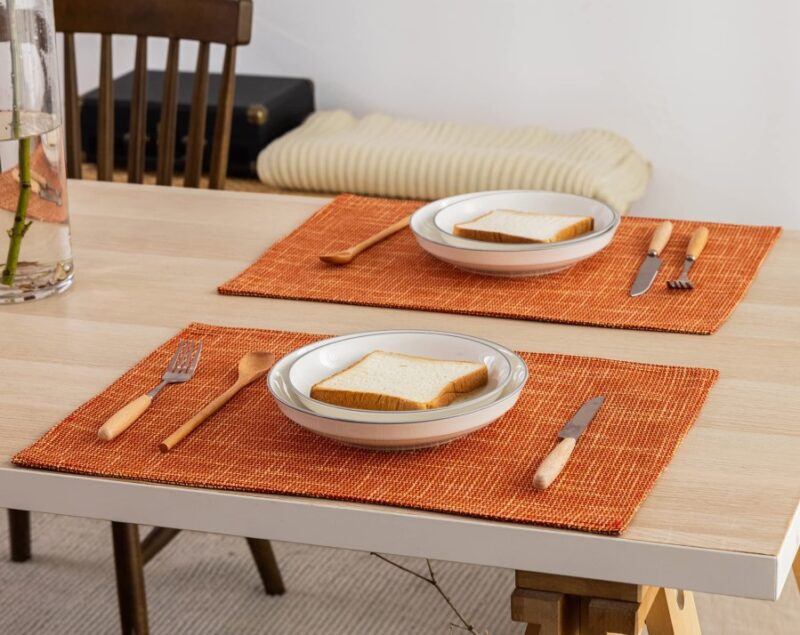
Wooden tables add warmth, texture, and timeless appeal to a dining space. But they’re also highly sensitive to temperature changes, making them vulnerable to heat marks, white rings, and even permanent surface damage.
That’s why the best heat-resistant placemats are more than decorative accessories – they’re a practical safeguard. Choosing the right set means preserving your table’s beauty while adding personality to your dining area.
Why Heat Resistance Matters for Wooden Tables
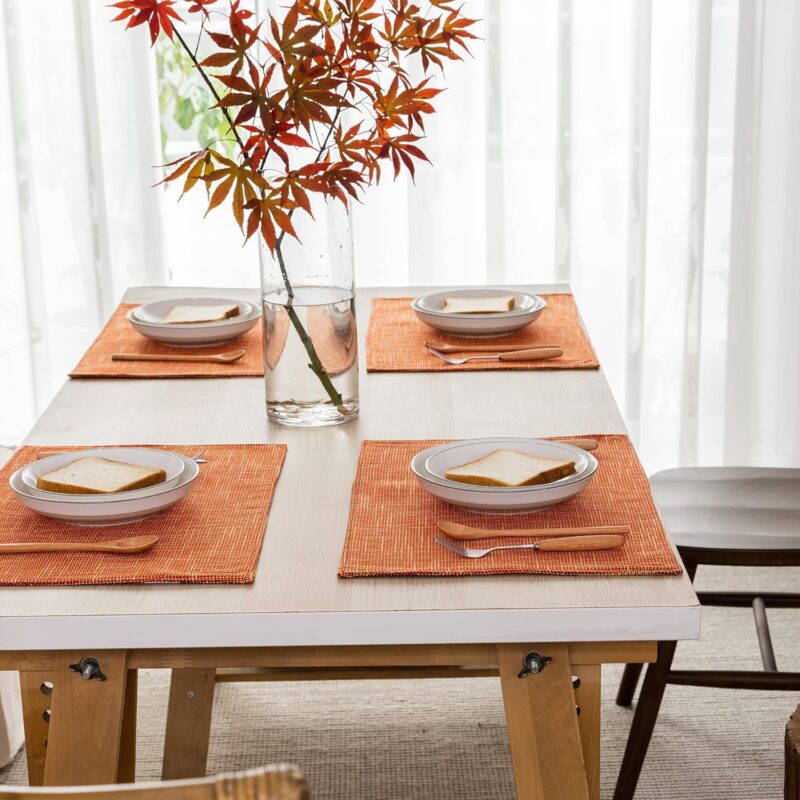
When a steaming dish is placed directly on wood, the heat can soften the table’s finish or cause moisture to expand beneath the surface, leaving a cloudy mark. Over time, these blemishes accumulate and dull the table’s natural sheen. Heat resistant placemats act as a barrier, dispersing temperature evenly and protecting the varnish layer from direct exposure.
Key factors that matter most:
- Material durability: Silicone, cork, and woven vinyl perform best for high heat.
- Maintenance: Some materials, like cork-backed or vinyl mats, clean easily with a damp cloth.
- Heat threshold: Opt for mats that can handle at least 200°F or more.
Did you know? Even a hot pizza box fresh from the oven can reach over 180°F – enough to leave a faint imprint on unfinished wood.
The Best Materials for Heat-Resistant Placemats
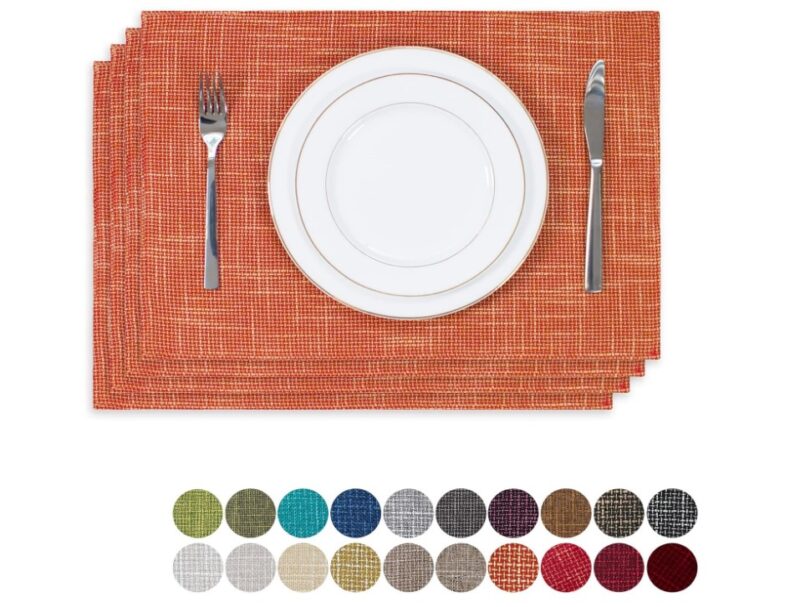
When selecting placemats, the goal is to find materials that resist heat without absorbing moisture or staining easily.
| Material | Heat Resistance | Maintenance | Aesthetic Appeal |
| Silicone | Excellent (up to 450°F) | Easy to wipe clean | Modern, sleek |
| Cork | Very good (up to 212°F) | Moderate | Natural, rustic |
| Woven Vinyl | Good (up to 200°F) | Very easy | Contemporary |
| Leather | Moderate | Needs conditioning | Luxurious |
| Cotton | Poor | Requires washing | Classic, soft |
Each option has its niche. Silicone works best for family dinners or hot serving trays, cork offers eco-friendly charm, and woven vinyl brings a clean modern edge that blends well with any décor.
Stylish and Durable Choices for Every Home
Function and beauty don’t have to clash. Some brands successfully merge traditional craftsmanship with durable heat resistance. Pimpernel placemats are a great example. Known for their multi-layered lacquer finish and cork backing, these placemats protect wooden tables while maintaining a polished, elegant look.
The glossy top surface resists heat, scratches, and spills, while the cork base prevents slipping and moisture damage. Available in a wide range of prints – from classic florals to modern abstract designs – they’re suitable for both everyday use and formal dining occasions.
Note: For best protection, pair cork-backed placemats with felt or silicone trivets when serving extremely hot pans or baking dishes.
Combining Protection and Style
The best placemats elevate the table’s appearance while acting as a heat shield. The trick is balancing materials that complement your space with those that actually perform.
Practical combinations include:
- Using silicone mats under decorative fabric placemats for dual protection.
- Mixing cork placemats with linen napkins to create a cozy, natural aesthetic.
- Choosing leather placemats for formal dining setups where moderate heat exposure is expected.
Subnote: Always allow hot cookware to cool slightly before placing it on any placemat, even heat-resistant ones, to prevent micro-damage over time.
Factors to Check Before Buying
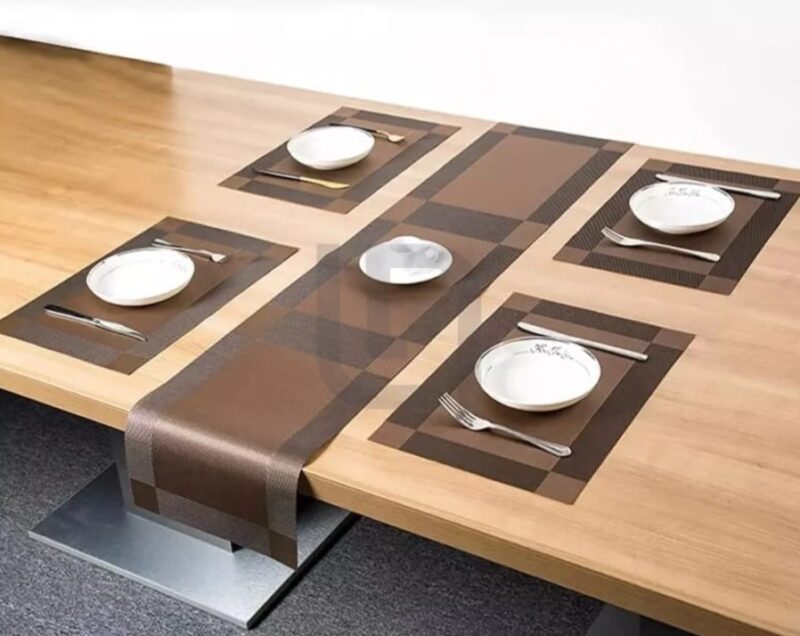
With so many options available, it’s easy to focus on colors or textures and overlook performance. Before buying, always review product specifications.
Checklist for smart buyers:
- Non-slip backing that prevents sliding during meals.
- Sufficient thickness for insulation – ideally 4–5 mm.
- Wipe-clean or stain-resistant finish for easy care.
- Standard sizing (around 12×18 inches) to accommodate full plates and drinkware.
- A design aesthetic that complements your interior, from rustic oak tables to modern walnut finishes.
Pro Tip: Avoid thin fabric placemats labeled as “decorative only.” They often fail to resist even mild heat and may leave subtle marks after repeated use.
Caring for Heat Resistant Placemats
Even the most durable placemats require maintenance. Silicone and woven vinyl types are low-maintenance, needing just soap and water. Cork and leather require gentle care – avoid soaking or scrubbing to prevent deterioration.
Cork’s natural cellular structure contains air-filled pockets that trap heat, which is why it’s both lightweight and thermally insulated. That’s also what makes cork placemats an eco-friendly favorite among sustainable homeowners.
Keep placemats flat when storing; rolling or folding can damage their surface integrity. For lacquered options, wipe with a soft, damp cloth and never use abrasive cleaners, which can dull the protective coating.
Recommended Sets for Different Lifestyles
| Household Type | Best Material | Why It Works |
| Families with kids | Silicone | Stain-proof, waterproof, and heat resistant |
| Eco-friendly homes | Cork | Sustainable, renewable, and biodegradable |
| Elegant dining rooms | Pimpernel cork-backed placemats | Durable, decorative, and easy to maintain |
| Minimalist interiors | Woven vinyl | Modern texture and sleek finish |
| Small apartments | Foldable silicone | Compact, flexible, and easy to store |
Did you know? Silicone placemats not only resist heat but also serve as non-slip baking mats or pot rests – making them a versatile kitchen staple beyond the dining table.
The Balance Between Utility and Design
A well-chosen set of heat-resistant placemats does more than protect your table – it enhances your dining experience. The best ones blend design with purpose, creating a surface that’s both functional and visually pleasing. Many homeowners keep two types: practical everyday placemats and premium decorative ones for entertaining.
If you frequently serve hot meals, invest in thick, tested materials such as silicone or cork composites. For occasional hosting, lacquered cork-backed placemats like Pimpernel offer long-lasting style with dependable protection.
Conclusion
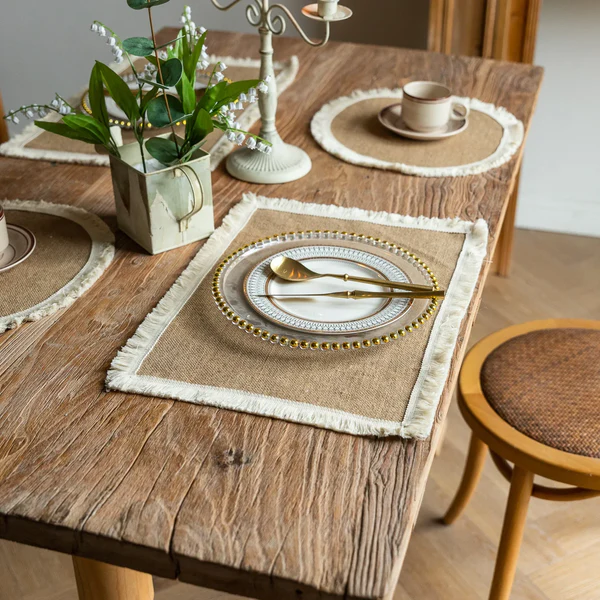
A beautiful wooden table deserves the same level of care that went into choosing it. Heat resistant placemats are a simple yet powerful way to protect that investment while keeping your dining setup stylish. The right material – whether it’s silicone for practicality, cork for sustainability, or lacquered designs for refined elegance, makes all the difference in how your table ages over time.
A good placemat doesn’t just guard against heat; it enhances every meal with comfort, texture, and a touch of personality. By selecting high-quality, well-constructed options and maintaining them properly, you ensure your wooden table remains the inviting centerpiece of your home for years to come.