

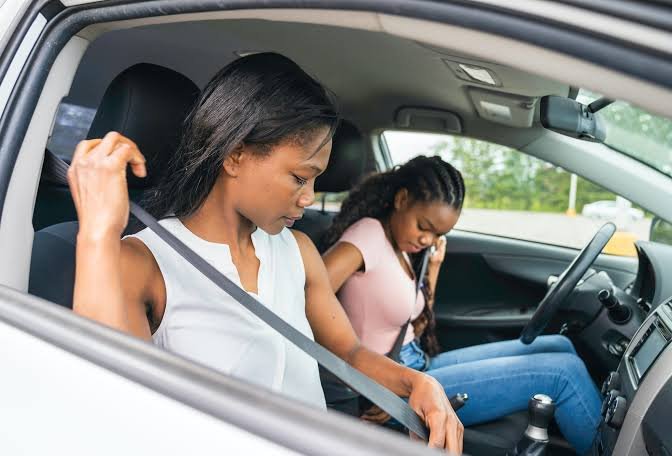
Handing a teenager the car keys changes the family dynamic almost overnight. Suddenly, a trip to soccer practice or a friend’s house no longer requires a parent in the driver’s seat. Freedom arrives quickly. Experience does not.
Parents can make that transition safer by establishing clear driving rules before solo trips become routine. Seat belts, phones, passengers, nighttime driving, speed, impairment, fatigue, and check-ins deserve firm expectations from day one.
The risk behind those rules is measurable. According to NHTSA teen-driving data, 2,320 people were killed in crashes involving a teen driver in 2024.
IIHS also reports that 16- to 19-year-olds have a fatal crash rate per mile driven just over three times the rate for drivers age 20 and older.
A few household rules cannot manufacture driving experience. They can reduce a new driver’s exposure to situations where inexperience becomes especially dangerous.
1. Everyone buckles up before the car moves
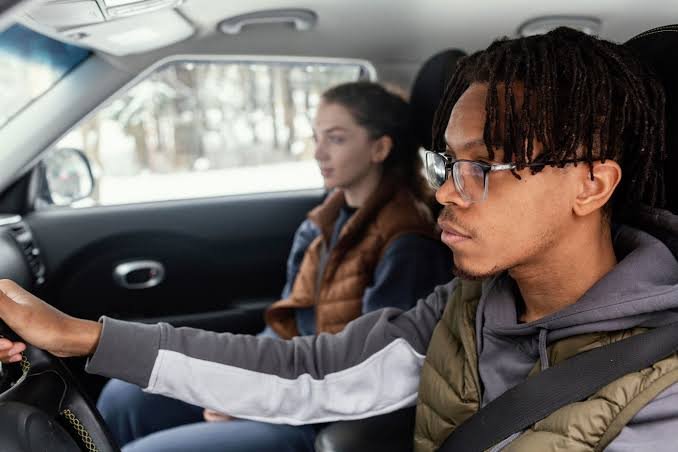
The easiest rule is also one of the least negotiable: the vehicle stays in park until every occupant is wearing a seat belt.
A teen may buckle automatically when a parent is beside them, then become more casual when driving friends a few weeks later. Parents should make the driver responsible for everyone in the vehicle. A passenger refusing to buckle means the trip does not begin.
CDC guidance says seat belts can reduce a teenager’s risk of death or serious injury in a crash by roughly half.
The habit matters in every seat. A friend sitting in the back is still part of the rule, even for a five-minute drive through the neighborhood.
2. The phone gets parked before driving starts
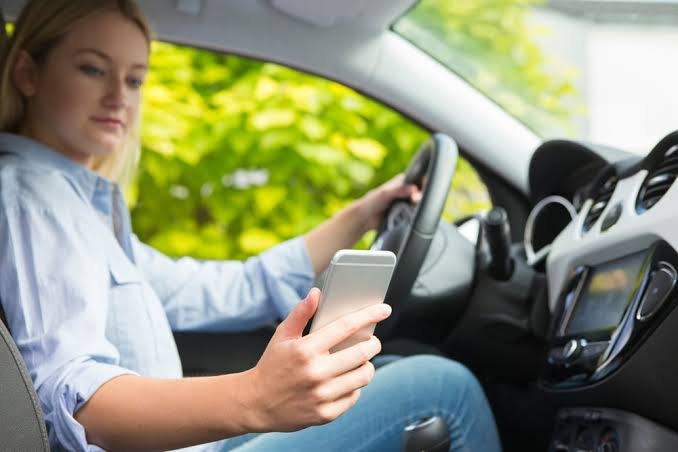
A useful phone rule needs to cover far more than texting. Parents have good reason to treat texting as a particularly serious distraction, since texting increases the risk of an accident while taking a driver’s attention away from changing road conditions.
Selecting music, reading a notification, checking an incoming Snap, entering an address while moving, or holding a conversation can all pull attention away from traffic.
A better household standard is simple: set navigation and music before leaving, activate Do Not Disturb while driving, and keep the phone somewhere that discourages casual checking.
NHTSA notes that reading or sending a text can take a driver’s eyes off the road for about five seconds. At 55 mph, the vehicle travels roughly the length of a football field during that interval.
Parents have to follow the same rule. A lecture about distracted driving loses credibility surprisingly fast when Dad starts answering emails at the next red light.
3. Limit teenage passengers during the first months

A newly licensed driver may be perfectly calm alone and remarkably different with three friends laughing in the car.
Peer passengers add conversation, movement, social pressure, music requests, directions, and the occasional suggestion to drive faster. For a driver still learning how to judge gaps, scan intersections, and anticipate other motorists, extra stimulation matters.
The IIHS graduated licensing research estimates that fatal crash rates for drivers ages 15 to 17 are 21% lower when teen passengers are prohibited compared with conditions allowing two or more. Allowing one teen passenger produces a smaller estimated reduction.
State passenger restrictions vary, so parents should check local graduated driver licensing rules. A family can always impose a stricter limit than state law permits.
4. Set a nighttime driving curfew
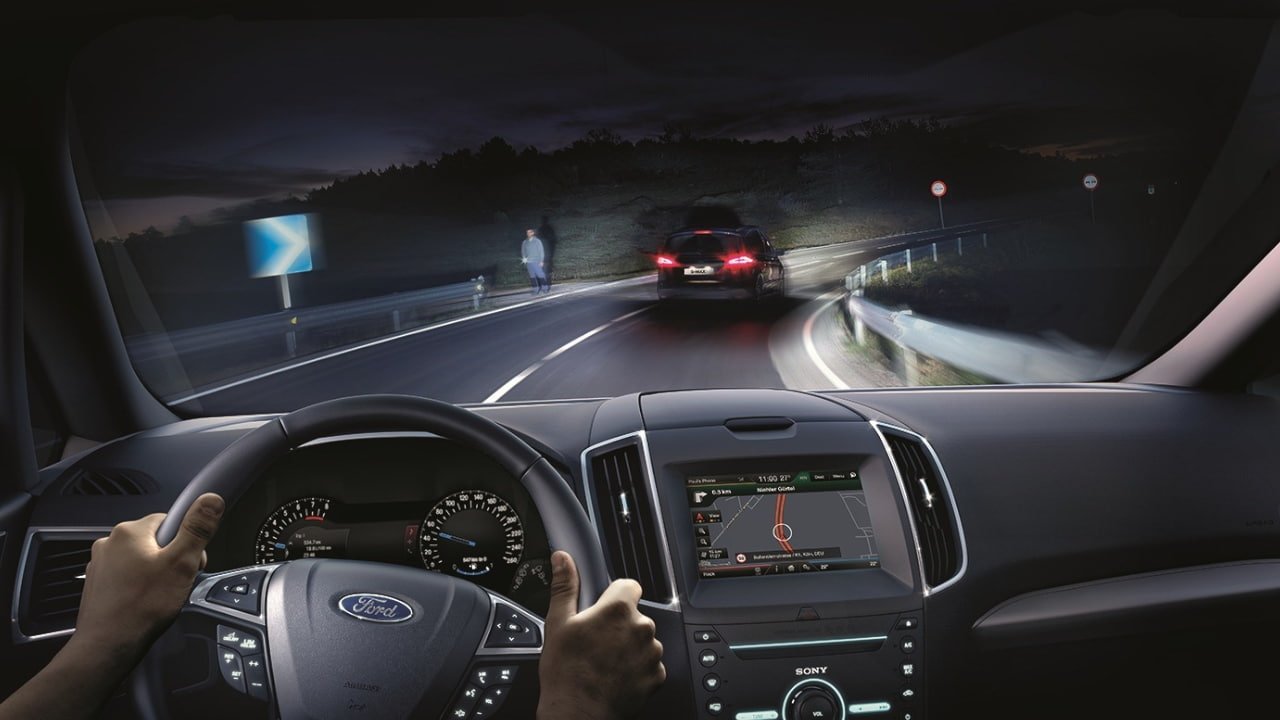
Driving at 10 p.m. is a different assignment from driving the same road at 10 a.m.
Visibility falls, fatigue becomes more likely, social trips become more common, and identifying pedestrians, cyclists, curves, or unexpected hazards becomes harder. According to IIHS teen driver research, the fatal crash rate per mile for 16- to 19-year-olds is about four times higher at night than during daytime driving.
Many states already restrict nighttime driving for intermediate license holders, although starting hours vary considerably. Parents can choose an earlier family curfew, particularly during the first several months of independent driving.
Night practice still has value. A parent can accompany the teen on planned evening drives so darkness becomes another supervised skill rather than an abrupt solo test.
5. Speed limits are limits, including when running late
A teenager who leaves home ten minutes late should arrive ten minutes late.
Trying to recover lost time behind the wheel encourages speeding, rushed turns, shorter following distances, and aggressive decisions at traffic lights. Parents can remove part of the pressure by establishing a rule that being late never requires driving faster.
Speed deserves particular attention among new drivers. In 2024, speeding was a factor for 33% of passenger-vehicle teen drivers involved in fatal crashes, according to NHTSA guidance for parents.
The family expectation should also cover conditions. A posted 55 mph limit does not mean 55 mph is appropriate during heavy rain, snow, fog, or dense traffic.
6. No driving after alcohol, drugs, or too little sleep
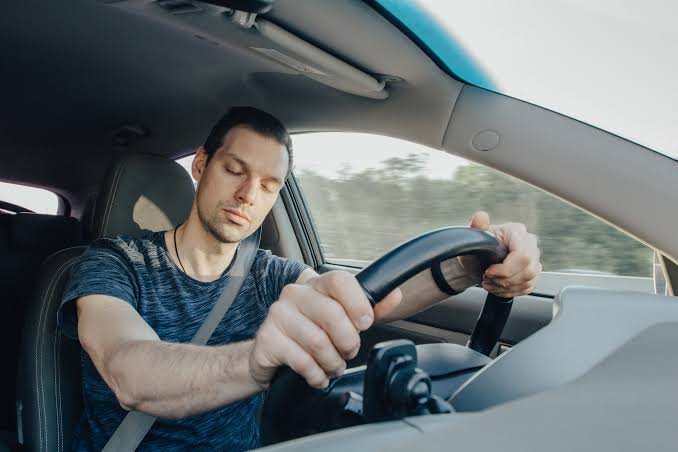
Parents need one rule with absolutely no ambiguity: a teen who has consumed alcohol or impairing drugs does not drive.
A second part matters almost as much. Driving while exhausted deserves the same kind of caution.
Young drivers are among the groups at elevated risk for drowsy-driving crashes. Lack of sleep can reduce alertness, slow reaction time, and weaken judgment behind the wheel.
Families can make the rule easier to follow by offering a guaranteed escape route. If a teen feels impaired, exhausted, unsafe, or uncomfortable with the person who was supposed to drive home, they can call a parent for a ride.
Safety gets handled first. Any discussion about how the situation happened can occur after everyone is home.
7. Major plan changes require a check-in
Parents do not need a minute-by-minute map of every trip, but a beginning driver should develop the habit of communicating where they are going and when plans materially change.
Driving from school to home is one trip. Deciding halfway there to drive 40 miles to a concert with two friends creates a very different risk profile.
A practical check-in can be short: destination, expected return time, and who is traveling in the vehicle. If weather deteriorates, plans move to an unfamiliar area, or the return trip becomes much later than expected, another message before driving keeps everyone informed.
Communication also gives parents an opportunity to say, “Leave the car there. I’ll come get you,” when conditions have become poor.
8. More driving freedom follows demonstrated responsibility

A license proves that a teenager met the legal standard required to drive independently. It does not mean every driving situation should become available immediately.
Freedom can expand gradually. A teen might begin with daytime trips on familiar roads, then add longer routes, highway driving, evening travel, or carefully limited passenger privileges as experience accumulates.
Graduated licensing systems use a similar principle. Stronger programs phase young drivers into higher-risk situations instead of granting every privilege at once. Research cited in an IIHS licensing study has found substantially lower fatal crash rates under stronger graduated licensing laws.
Parents can formalize the same approach with a written driving agreement covering rules and consequences. NHTSA recommends putting household expectations in writing rather than relying on conversations everyone remembers differently a month later.
Consequences should be predictable. Losing solo-driving privileges for a period after speeding or secretly carrying prohibited passengers is easier to enforce when the consequence was agreed upon before the keys changed hands.
Rules work better when parents follow them too
Teenagers spend years watching adults drive before they ever touch the pedals.
They notice whether parents speed when running late, hold a phone at traffic lights, roll through familiar stop signs, or skip a seat belt on a short trip. Safe-driving rules become far easier to defend when the adults in the family visibly obey them.
Research on teen driving consistently links parental restrictions, supervision, and safer role modeling with lower-risk driving behavior.
A new driver needs repetition as much as instruction. Keep riding along occasionally after the license arrives. Practice parking in crowded lots, merging onto highways, driving through heavy rain, dealing with aggressive motorists, and deciding when conditions call for turning around.
The goal is gradual independence backed by judgment. A teenager who knows the family rules before starting the engine has fewer decisions to improvise when the road suddenly becomes complicated.