

Table of Contents
- Why Wedding Traditions Are Fading
- The Cake-Cutting Ritual
- Garter and Bouquet Traditions
- Ring Exchange Rituals
- Then and Now: A Comparison
- Henna, Turmeric and Pre-Wedding Rituals
- Ways to Keep Traditions Alive
- Guest Advice Cards and Participation
- The Traditions Worth Keeping
Why Wedding Traditions Are Fading
Many customs that feel ancient are surprisingly young. The snowy, tiered wedding cake that most people picture, for example, is largely a product of later centuries. As Smithsonian’s history of the wedding cake explains, pure white icing became a wedding staple only after sugar grew plentiful in England, and tiered designs became more elaborate during the Victorian age.
If customs can be invented and reinvented, they can also be dropped. Several forces are pushing older rituals out of the reception hall:
- Smaller weddings: Guest lists are shrinking, and many couples no longer have room for long, multi-part ceremonies.
- Shorter celebrations: Multi-day weddings have often been compressed into a single day.
- Cost and logistics: Some rituals require specific vendors, props or family roles that are hard to arrange.
- Personal meaning: Couples increasingly ask what a custom means to them before they agree to keep it.
The Cake-Cutting Ritual
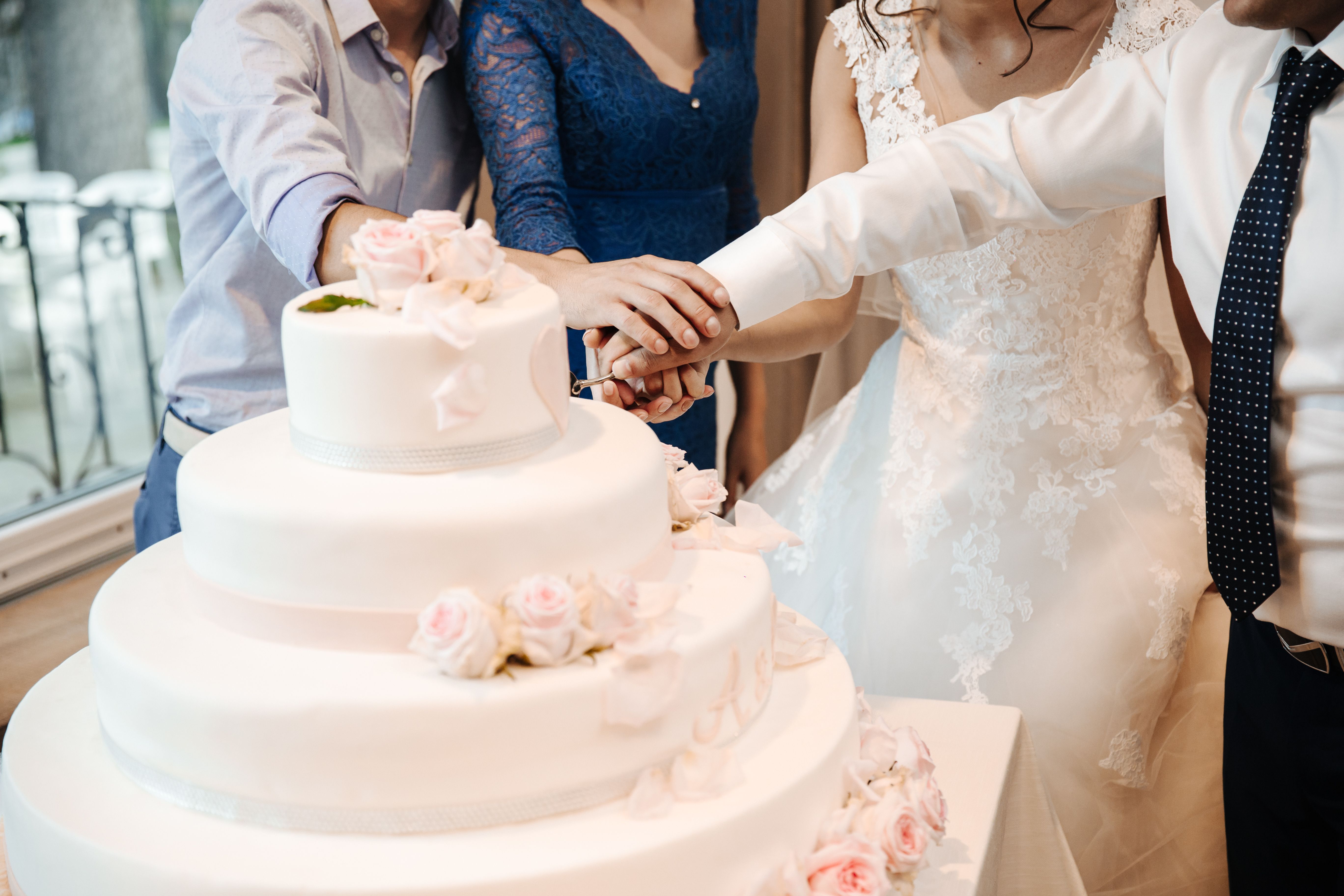
Few traditions have changed as much as cake cutting. Ancient Romans reportedly broke a grain cake over the bride’s head for good fortune, and medieval couples were said to kiss over a pile of buns. Later, the bride was expected to make the first cut herself, and the groom’s hand over hers became a symbol of shared responsibility. Today, the ceremony still happens at most receptions, though the cake itself is often a decorative tier while guests are served a simpler sheet cake from the kitchen. Some couples have even dropped the cutting altogether.
The history is also less tidy than many people assume. According to NPR’s look at the layered history of wedding cake, a 25-pound nut-laden fruitcake was common for wedding cakes until almost the 20th century, which shows how much the object has changed while the ritual of cutting it has endured.
Garter and Bouquet Traditions
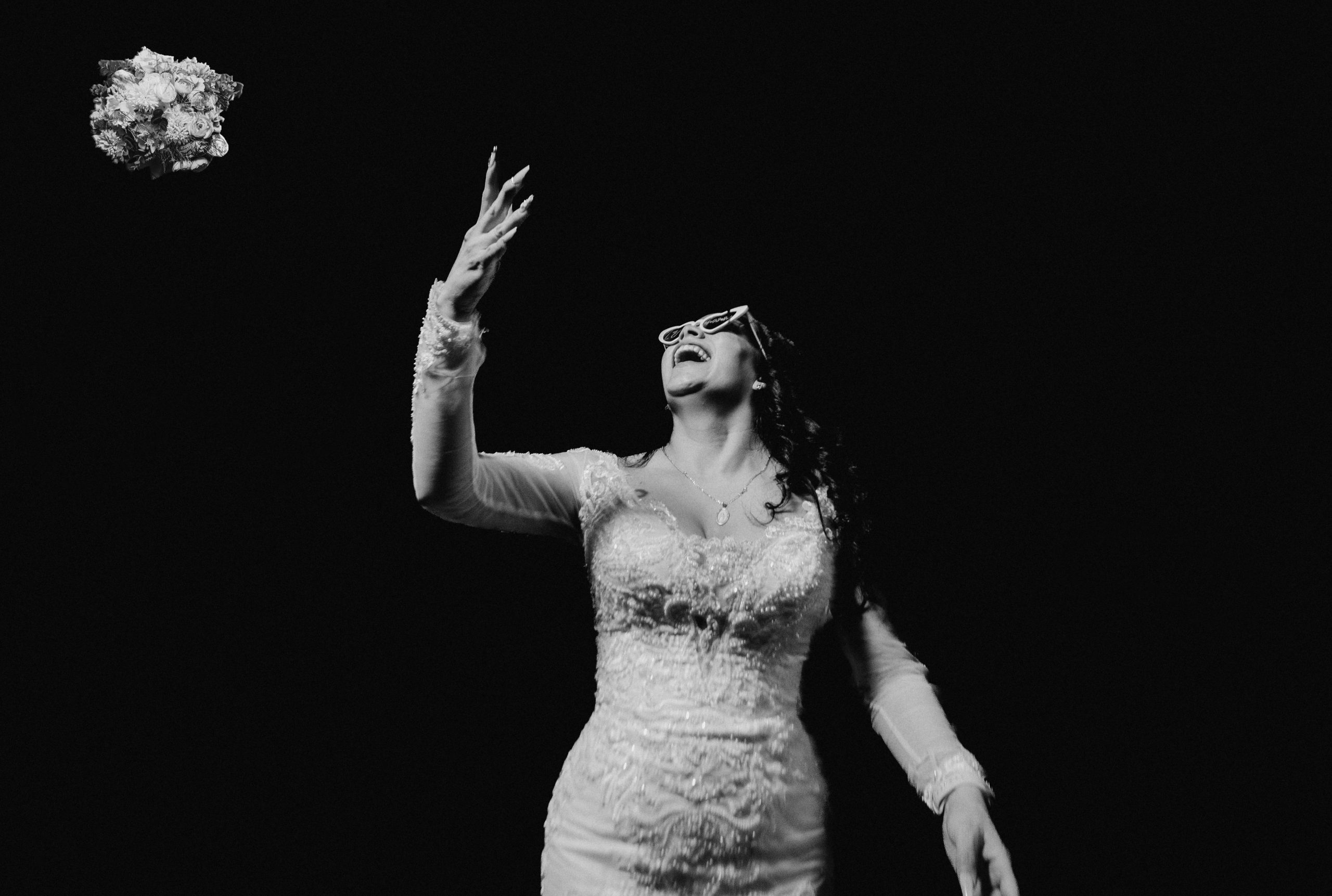
The garter toss and the bouquet toss were once near-universal at receptions. Today, many couples skip one or both, or replace them with more personal moments. Some brides now treat the old idea of “something borrowed” as a chance to wear a family piece, such as a pair of bridal earrings passed down from a grandmother, rather than borrowing something from a stranger at the reception.
The shift is not always about dropping the custom. Often it is about making it fit the couple:
- Replacing the garter toss with a short toast from a close friend
- Tossing a bouquet only to guests who are truly invited to take part
- Keeping a single heirloom item in place of a long list of borrowed objects
Ring Exchange Rituals
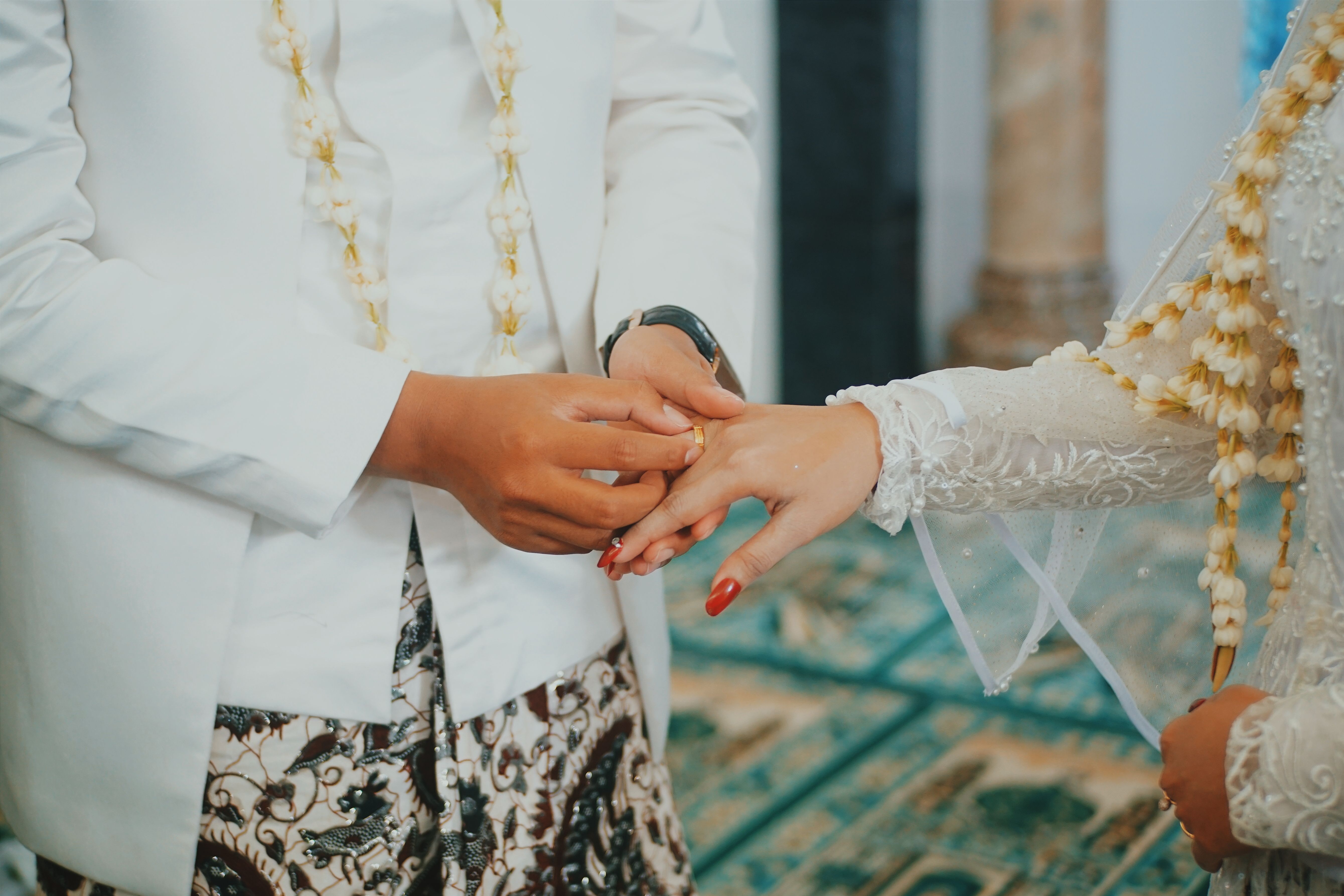
The exchange of rings remains central to almost every wedding, but the rituals around it are changing. In many communities, the ceremony includes family members, specific blessings or symbolic gestures that are rarely seen outside those traditions. As younger generations marry across cultures or move away from home communities, some of these details are simplified or left out entirely.
Keeping a custom alive often depends on a single relative who remembers how it is done. When that person is no longer present, the ritual can disappear within one generation even if the couple still values it.
Then and Now: A Comparison
The table below summarizes how several well-known traditions have changed in many modern weddings. Practices vary widely by region, religion and family, so treat the status column as a general pattern rather than a rule.
Henna, Turmeric and Pre-Wedding Rituals
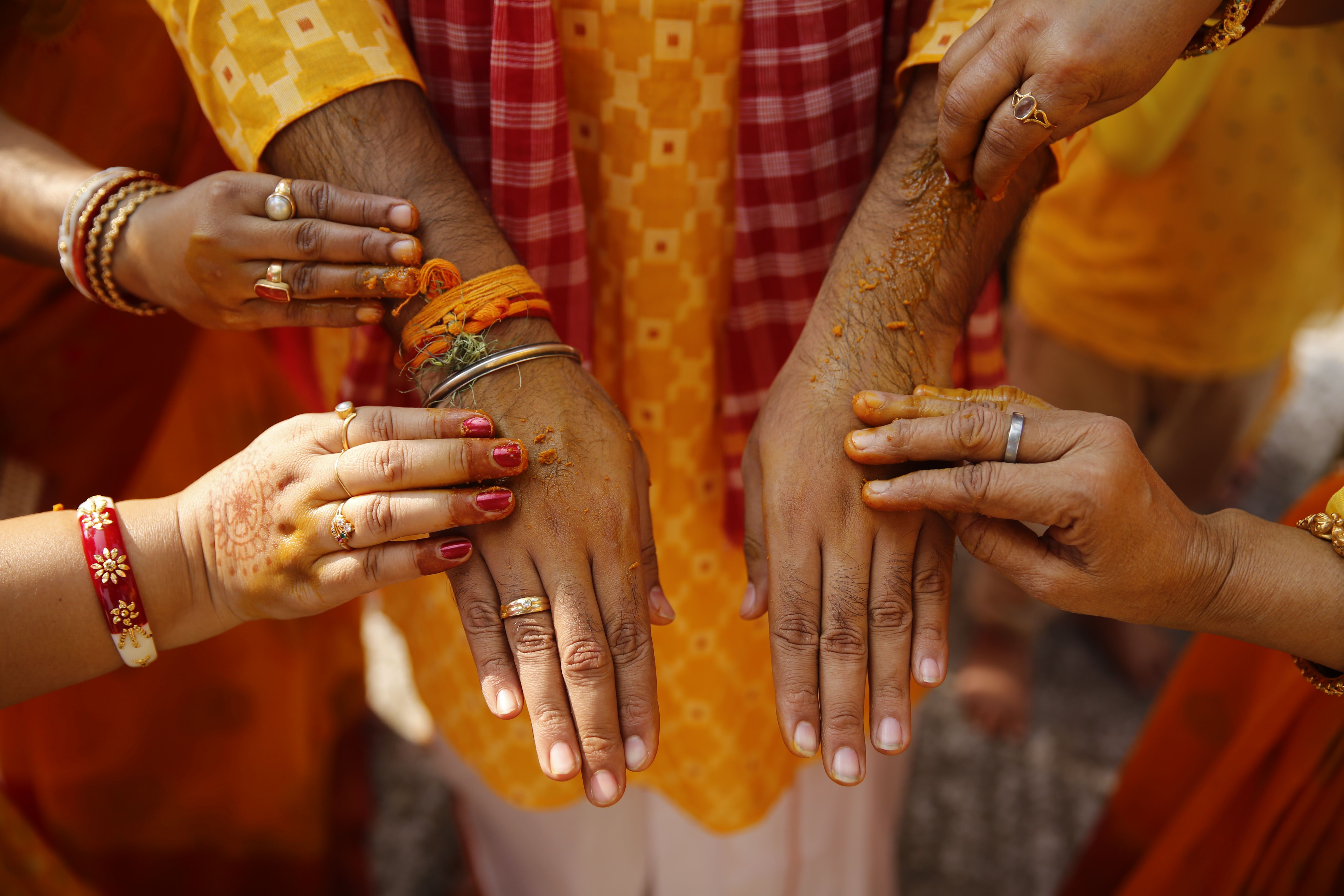
Pre-wedding rituals often carry the most family history, and they are also the easiest to shorten. In many South Asian weddings, henna and turmeric ceremonies bring relatives together for days of music, blessings and hands-on preparation. Modern schedules, travel distances and smaller budgets have led many families to hold a single evening event, or to fold these customs into a welcome dinner.
Some families respond by keeping the core elements and dropping the rest. A common approach looks like this:
- Keep the blessing or the symbolic application, even if the full ceremony is shorter
- Invite the older relatives who carry the knowledge of each step
- Write down the order of events so future generations can repeat it
Ways to Keep Traditions Alive
A custom does not have to be performed exactly as it was a century ago to keep its meaning. Couples who want to preserve a tradition often find these approaches useful:
- Ask older relatives what the ritual means to them and why it matters.
- Shorten, don’t skip: a two-minute version can carry the same weight as a full afternoon.
- Explain the custom in a program or during the reception so guests understand it.
- Combine old and new: pair a family blessing with a modern photo moment.
- Record it: video and written notes preserve details that memory often loses.
Guest Advice Cards and Participation
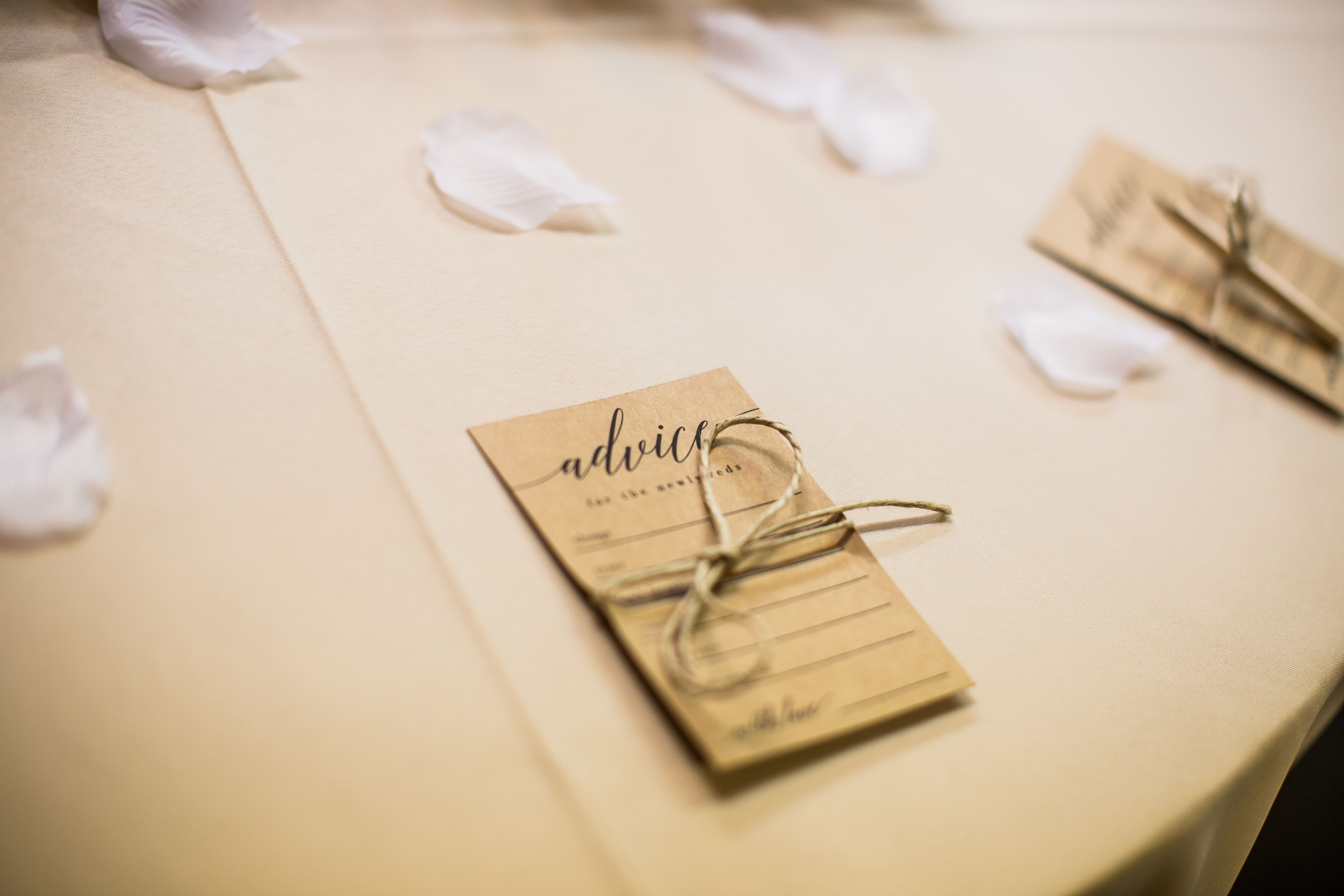
Guest advice cards are a newer tradition that has quickly become a favorite. Guests write a note of wisdom or encouragement, and the couple reads them later. They work well as a replacement for older rituals that involved guests in a more hands-on way, because they still invite the wider circle to play a role in the marriage.
The Traditions Worth Keeping
Not every custom needs to survive, but the ones that connect a couple to their families and their history are often worth the effort. The best way to decide is to ask what a ritual does for the people in the room. If it creates a moment of shared meaning, even a small version may be enough. If it only feels like an obligation, it is reasonable to let it go and make room for something that fits better.