

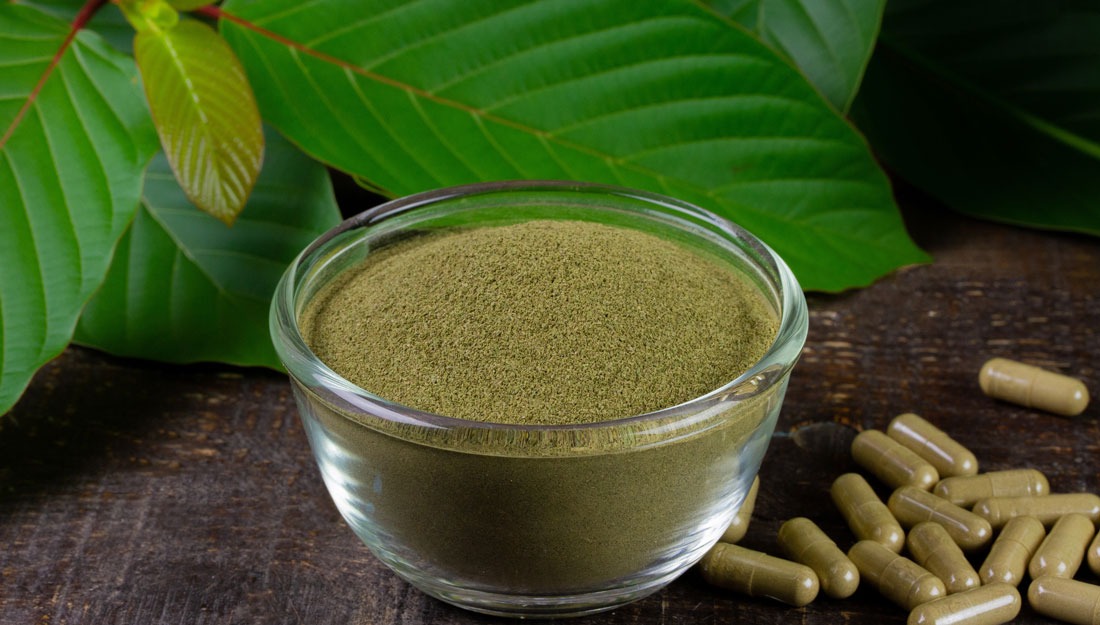
A tropical plant from Southeast Asia has quietly become one of the most debated herbal products in the world.
Kratom, derived from the leaves of Mitragyna speciosa, has been used for centuries in countries like Thailand and Indonesia for energy, pain relief, and traditional medicine.
Yet in modern wellness circles, it sparks equal amounts of curiosity and concern.
Research shows that kratom’s active compounds interact with the same brain receptors as opioids, which partly explains why its effects range from stimulation to sedation depending on dose.
Some people see it as a natural alternative for pain management or mood support. Others warn about potential dependence, contamination, and safety risks when products are poorly regulated. Understanding both sides is essential before forming an opinion about kratom.
This guide breaks down what kratom is, how it works in the body, its potential effects, common risks, and basic dosage considerations.
What Exactly Is Kratom
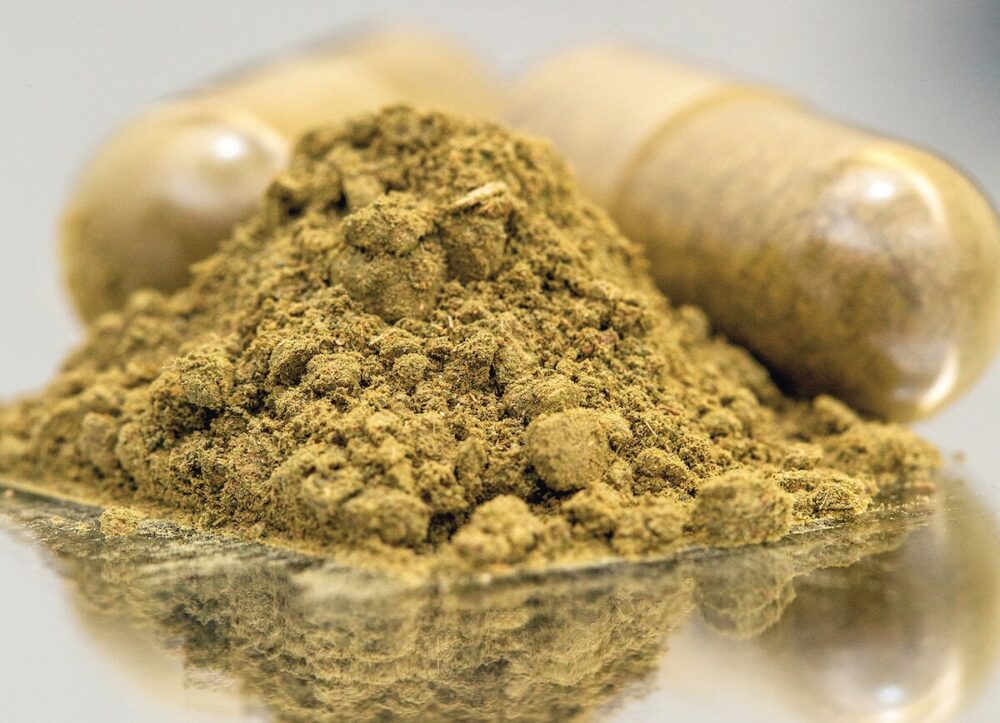
Kratom is a botanical substance derived from the leaves of Mitragyna speciosa, an evergreen tree native to Southeast Asia. The plant belongs to the same family as coffee and has long been part of traditional practices in Thailand, Malaysia, and Indonesia.
In traditional settings, laborers often chewed fresh kratom leaves or brewed them into tea to increase stamina and reduce fatigue during long workdays.
Today, kratom appears in several commercial forms:
- Powder made from dried and ground leaves
- Capsules containing concentrated kratom extract
- Liquid tinctures and beverages
- Tablets or resin extracts
The plant contains dozens of alkaloids. Two compounds receive the most attention:
- Mitragynine, the primary active compound
- 7 hydroxymitragynine, a stronger alkaloid that acts on opioid receptors
Both compounds influence the brain’s opioid receptors and other neurotransmitter systems, which explains kratom’s complex effects on mood, energy, and pain perception.
Did you know?
Traditional kratom use in Southeast Asia often involved low doses during physical labor, which typically produced mild stimulant effects rather than sedation.
Availability and Where People Obtain Kratom
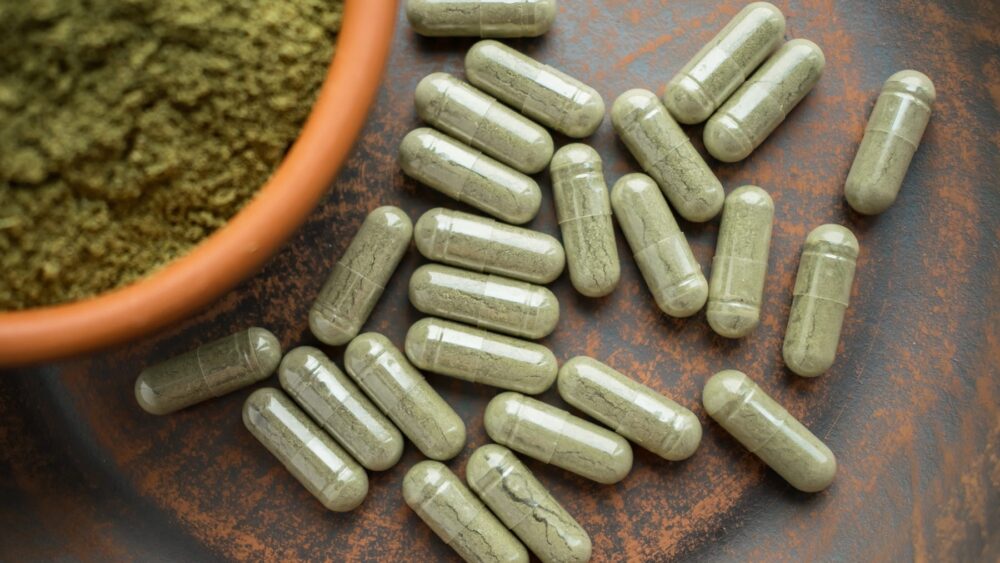
The modern kratom market expanded rapidly over the last decade. Products are widely sold online, in specialty herbal stores, and in some regions even at convenience shops.
However, quality varies significantly. Because kratom products are not consistently regulated, purity and potency can differ from one supplier to another. Experts often emphasize the importance of transparency in sourcing and laboratory testing.
Consumers frequently compare different kratom suppliers to evaluate factors such as product testing, manufacturing standards, and ingredient disclosure. Reliable vendors often publish third party lab reports that confirm alkaloid content and screen for contaminants.
Still, even with reputable vendors, kratom remains largely unregulated in many countries. That lack of oversight contributes to ongoing debates about its safety and proper use.
How Kratom Works In The Body
The effects of kratom come from its interaction with multiple biological systems. The plant’s alkaloids bind primarily to opioid receptors in the brain, although they behave differently from traditional opioid drugs.
Mitragynine, the main compound, acts as a partial agonist at mu opioid receptors. This means it activates these receptors but not as strongly as classic opioids like morphine.
Because of this mechanism, kratom produces dose dependent effects.
| Dose range | Typical effect pattern |
| Low dose | Mild stimulation, alertness |
| Moderate dose | Mood lift, relaxation |
| Higher dose | Sedation, pain relief |
Researchers also note that kratom may interact with serotonin and dopamine pathways, which influence mood and motivation.
The exact pharmacology of kratom is still under investigation. Many studies emphasize that human research remains limited and that more controlled clinical trials are necessary.
Commonly Reported Effects
Users often describe kratom as producing two different experiences depending on the amount consumed.
Low to moderate doses tend to resemble stimulants, while higher amounts behave more like sedatives.
Reported effects include:
- Increased energy and alertness
- Mild euphoria or mood improvement
- Reduced perception of pain
- Relaxation and calmness
- Improved focus in some individuals
Preclinical research also suggests kratom may have analgesic properties and could reduce self administration of certain drugs in experimental settings.
However, these effects vary widely from person to person. Factors such as body weight, tolerance, and product potency can significantly influence the outcome.
A 2024 toxicology review in Food and Chemical Toxicology concluded that some evidence suggests potential therapeutic benefits for certain users, although data remains limited and requires further research.
Risks And Side Effects
Despite its natural origin, kratom carries documented health risks. Medical organizations warn that the compound’s opioid like activity can lead to dependence and other complications.
The U.S. National Institute on Drug Abuse reports several possible adverse effects linked to kratom use.
Some of the most commonly reported side effects include:
- Nausea and vomiting
- Constipation
- Increased heart rate
- High blood pressure
- Drowsiness or dizziness
More serious health concerns have also been documented in clinical case reports.
These may include:
- Seizures
- Liver injury
- Confusion or psychosis
- Respiratory depression
- Cardiac irregularities
According to Mayo Clinic reports, poison control centers in the United States received more than 3,400 kratom related calls between 2014 and 2019.
Researchers also emphasize that severe complications often involve additional substances such as alcohol, prescription drugs, or contaminated kratom products.
Dosage Basics And Why They Matter
Unlike many prescription medications, kratom does not have standardized dosage guidelines supported by large clinical trials.
That uncertainty makes dosing one of the most confusing aspects for new users.
Scientific literature generally categorizes approximate intake ranges as follows.
| Approximate intake | Possible effect |
| 1 to 3 grams | Mild stimulation |
| 3 to 5 grams | Balanced mood effects |
| 5 to 8 grams | Sedative and pain relief effects |
These figures appear frequently in observational reports rather than clinical dosing recommendations. Many experts caution that higher doses increase the risk of adverse reactions.
A 2025 toxicology review noted that doses exceeding 8 grams may lead to symptoms such as tremors, confusion, and nausea.
Because products vary widely in strength, even these general ranges should not be interpreted as safe guidelines.
Safety Warnings And Important Considerations
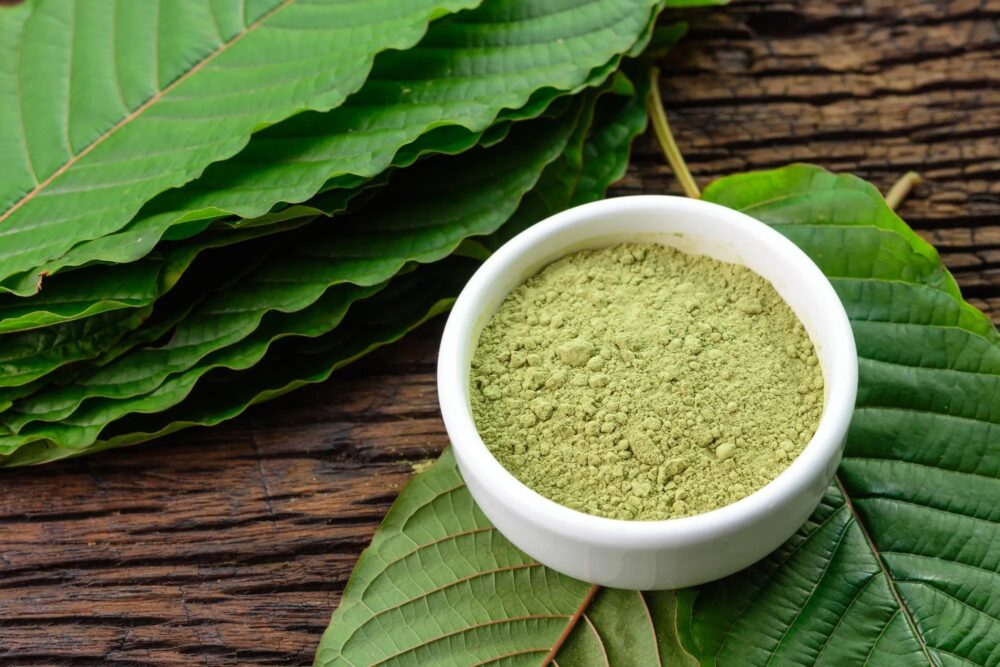
Anyone considering kratom should understand several key safety concerns before using it.
The most important issues involve product quality, drug interactions, and dependence risk.
To summarize the major warnings, health experts typically highlight the following concerns:
- Lack of regulation. Many kratom products are sold as supplements and are not approved by major health authorities such as the FDA.
- Potential dependence. Long term use may lead to withdrawal symptoms similar to opioids.
- Contamination risks. Some products have been found to contain heavy metals or bacteria.
- Drug interactions. Kratom may interact with prescription medications due to its effects on liver enzymes.
Important definition
Kratom dependence refers to the development of tolerance and withdrawal symptoms after repeated use.
People with liver disease, heart conditions, or a history of substance use disorders face higher potential risk.
Pregnancy also raises additional safety concerns because newborn withdrawal symptoms have been reported in some cases.
Final perspective
Kratom occupies a complicated space between traditional herbal remedy and modern controversial supplement. In parts of Southeast Asia, the plant has a long cultural history tied to labor and traditional medicine. In Western markets, it appears in concentrated forms that are far stronger than what people historically consumed.
Scientific research shows that kratom has real pharmacological effects. Some individuals report benefits such as increased energy or pain relief. At the same time, documented side effects and the lack of regulation raise legitimate safety concerns.
For anyone considering kratom, the most responsible approach involves careful research, consultation with medical professionals, and awareness of product quality and dosage uncertainties.