


In online business, a single slow redirect or ad account ban can wipe out a campaign’s return overnight. Whether you’re just starting a business or specifically operating a large brand, you cannot afford to lose any of your traffic to slow redirects, inaccurate attribution, or ad platform bans.
This is why many media buyers rely on affiliate tracking software built specifically for this problem. The right platform is cloud-based, supports zero-redirect tracking, and is engineered for media buyers and performance teams running high-volume campaigns, offering unparalleled control over data.
What is Affiliate Tracking Software?
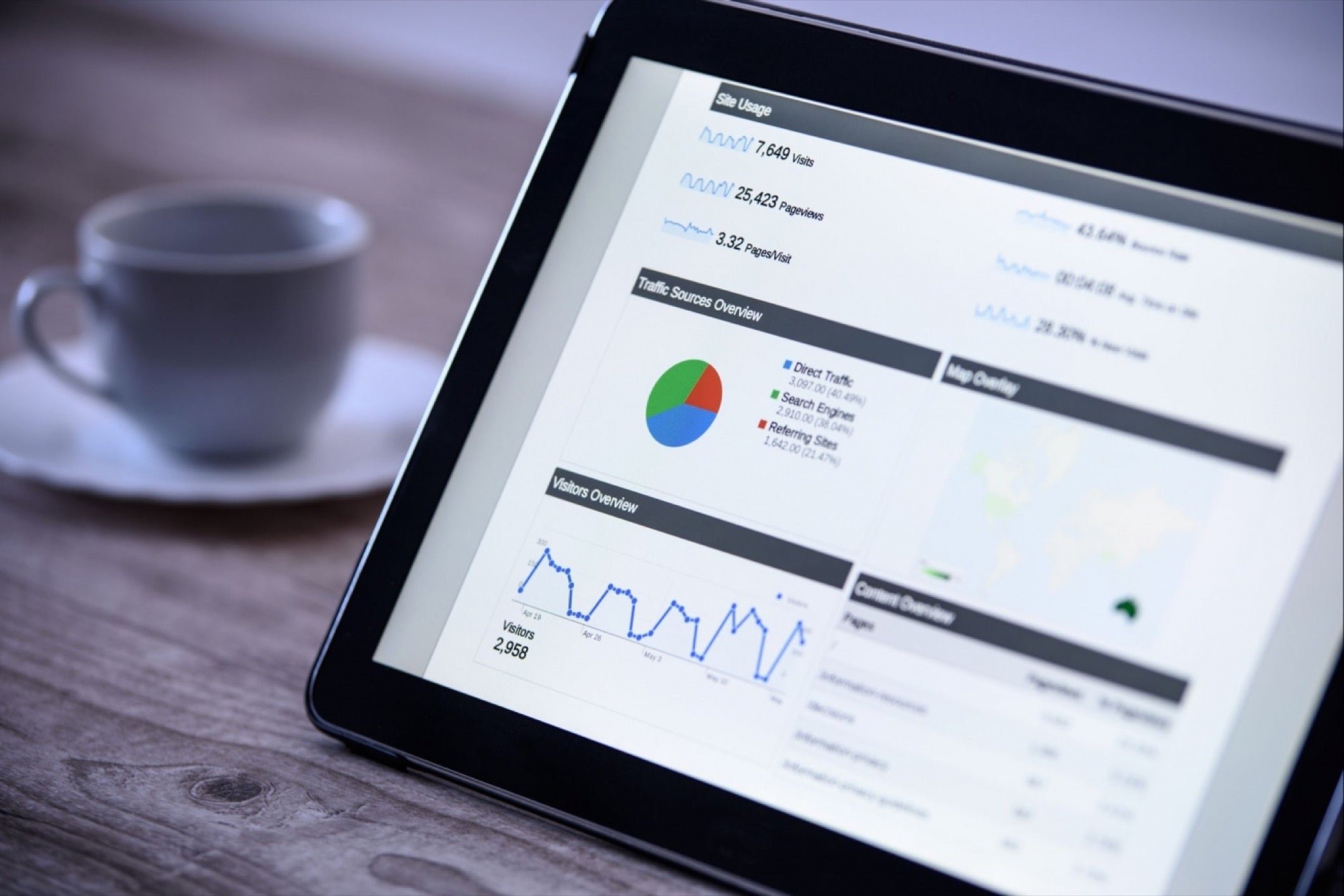
Acting as a specialized platform for serious players in the online realm, affiliate tracking software is an invaluable optimization tool.
It monitors, analyzes, and assists with traffic flow in many ways via affiliate marketing campaigns. It can record clicks, conversions, and a range of other key events.
More than that, it can attribute these actions accurately to specific sources, campaigns, and landing pages. You receive actionable insights based on real-time, intricate tracking.
Affiliate tracking goes beyond basic logging. Modern trackers implement traffic distribution systems (TDS), advanced filtering, landing page management features, and server-side conversion APIs.
You can also find reporting dashboards and collaboration tools. Essentially, affiliates can fine-tune their campaigns based on a broad dataset delivered to pinpoint where traffic is coming from and where it isn’t.
Media buyers can cut wasteful spending and increase their scale toward the profitable aspects of their campaigns.
The right software can also help protect your campaigns from potential ad platform moderation.
On platforms like Facebook, Google, and TikTok, large campaigns are not only easier to create, but they also have a higher likelihood of success. You can focus your resources on aspects of your campaign that convert. There’s no guesswork involved.
Do You Even Need a Tracker If You’ve Just Started Buying Traffic?
Whether or not you need an affiliate tracker when you’ve just started depends on your goals.
If affiliate marketing is just something you’re doing on the side, hopefully for a couple of extra dollars, then it’s probably best to start organically.
This allows you to get the feel of the market. Affiliate marketing is nothing new; there are a lot of tools and built-in resources like analytics you can take advantage of. As the business grows, you may want to jump to a tracker.
If you’re considering making a living with affiliate marketing and your eggs are going into this basket, then investing in a dedicated tracker is a smart idea.
The benefit here is that you start out with the precise data you need to significantly limit your wasteful spending. You can use your tracker to grow as you learn. It’s a good move for those serious about investing in traffic.
What to Look for Before Choosing a Provider

Not every affiliate tracker is built the same way, and the differences show up the moment your campaigns start to scale. Some platforms charge by click volume, which means costs climb exactly when your traffic is growing the fastest.
Others rely on redirects that add delay, cost you tracking accuracy, and increase the risk of your ad accounts getting flagged. Before committing to a provider, it’s worth checking how pricing scales with traffic, whether tracking runs through redirects or direct links, and how deep the built-in filtering goes against bots, VPNs, and ad-network reviewers.
Integration matters just as much: a tracker that connects natively to your ad platforms and conversion APIs saves hours of manual setup and reduces the chance of lost data.
Support and documentation are easy to overlook until something breaks, so it’s worth confirming response times and available resources ahead of time, not after a problem hits mid-campaign.
Core Features to Look For in an Affiliate Tracker

The strongest solutions position themselves as all-in-one platforms among cloud-based affiliate trackers on the market. Teams looking to scale without added headaches turn to this type of product for more control over their campaigns, with an emphasis on usability, advanced filtering, and infrastructure stability.
Core Highlights of a Paid Plan
- Unlimited Events & Real-Time Reporting: There is no click-based billing or overages with this software. You can freely scale while receiving ClickHouse-powered analytics.
- Built-in Advanced Traffic Filtering: This kind of proprietary filtering system replaces expensive third-party cloaking services. It blocks bots, spy tools, VPNs, ad reviewers, and provides dozens of other filters.
- Hybrid IP Rotation: This feature makes it easy to rotate to a fresh IP in a couple of seconds. With only two dashboard clicks, you get a new IP without any manual server migration. Combined with the platform’s redirect-free tracking, this helps buyers survive on TikTok, Facebook, and other platforms.
- Native CAPI Support: This feature enables faster algorithm learning and bypasses browser pixel limitations. This is important for more reliable attribution. It’s server-side conversion tracking specifically for Facebook.
- Landing Page Tools: You get built-in hosting, zero-redirect tracking, and a two-click page-cloning tool to duplicate trusted URLs into white pages. You do not need to know how to code. You also don’t have to worry about outsourcing. You can handle it easily with the provided tools.
- Other Practical Features: Some other features include a URL shortener with custom previews, a WebView tracking app, easier integration, and much more.
In Conclusion
The strongest platforms stand out by combining zero-redirect tracking, built-in traffic filtering, and native CAPI support in one place — features affiliates would otherwise need several separate tools to cover.
This isn’t a clunky interface that operates with hidden costs like a mobile game with microtransactions. You get a scalable, reliable affiliate tracker with a ton of features. The controls are intuitive, the interface is user-friendly, and the pricing is competitive.
For people serious about affiliate marketing and running sustainable, lower-risk campaigns, a tracker like this has the infrastructure needed to compete in the field while cutting back on wasted costs.