


Most dog owners guess at portions. A scoop here, a handful of treats there, and before long the bowl is no longer matching the dog’s real needs. Feeding too much leads to extra weight, and feeding too little can leave a dog thin, tired, and short on nutrients. The good news is that you do not need a lab to tell which way things are going. A few hands-on checks, a feeding routine you can measure, and an occasional weigh-in will show you whether the amount in the bowl is working.
Table of Contents
Start With a Measured Portion
Before you can judge whether a dog is getting too much or too little, you need to know how much is actually going into the bowl. Eyeballing a scoop is the most common reason portions drift. Weigh or measure every meal for a week, and you will often be surprised by the result.
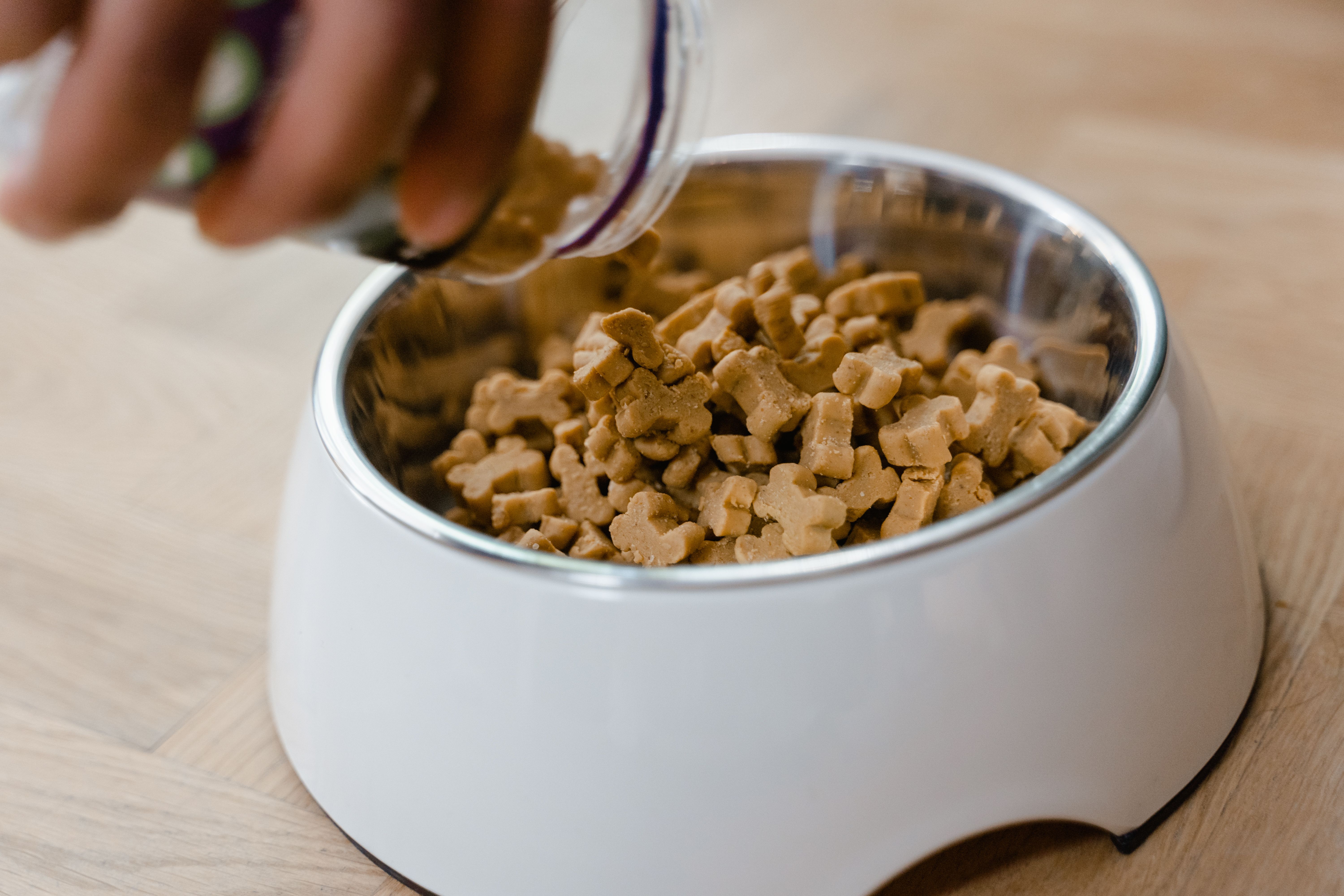
A few habits make measuring easier to stick with:
- Use a kitchen scale or a marked measuring cup, and record the amount for each meal.
- Count treats, chews, and table scraps as part of the daily total, not as extras.
- Check the feeding guide on the food bag, then treat it as a starting point rather than a rule.
- If you use a shared household bowl, write down who fed the dog and how much.
Measuring tools are inexpensive and easy to find. Many owners pick up a set of cups or a digital scale while shopping online for pet supplies, and a basic scale is often all you need to keep a feeding log accurate.
Check Your Dog’s Body Condition
The most reliable way to judge portions is to look and feel. Veterinarians use a body condition score (BCS), usually on a 9-point scale, where 1 is severely underweight, 4 to 5 is ideal, and 9 is severely overweight. The idea is simple: an ideal dog has ribs you can feel without seeing them, a visible waist when viewed from above, and a tuck in the belly when viewed from the side.
Here is a simplified version of how the scale breaks down:
To check at home, run your hands gently along the rib cage with the flat of your fingers. You should feel the ribs without pressing hard. The World Small Animal Veterinary Association nutrition guidelines include reference charts and videos that show how to score a dog accurately, and they are a useful companion for owners who want to learn the method properly.
Signs Your Dog Is Getting Too Much Food
Overfeeding often happens slowly. Each extra kibble seems harmless, but weight adds up over months. Watch for these signs:
- Ribs that need pressure to find, or that are covered in a layer of soft fat.
- No visible waist when you look down at your dog from above.
- A belly that sags or looks level or rounded from the side instead of tucking up.
- Reduced energy, reluctance to walk, or more panting after short outings.
- Difficulty jumping into the car or onto the couch.
- Clothing or harnesses that suddenly feel tight around the chest or belly.
Weight gain is not always obvious from a distance, especially in dogs with thick coats. Hands-on checks are more reliable than how a dog looks in a photo.
Signs Your Dog Is Getting Too Little Food
Underfeeding can be harder to spot because owners often assume a thin dog is simply built that way. A healthy adult should not look bony. Look for these warning signs:
- Ribs, hip bones, or spine that are easy to see without touching the dog.
- Loss of muscle along the back, thighs, or shoulders, which may make the dog look narrow or sharp-edged.
- A dull coat, flaky skin, or more shedding than usual.
- Low energy, weakness during play, or unusual hunger that does not seem to be satisfied.
- Steady weight loss without a change in activity.
Some dogs are naturally lean, especially active working breeds. The key question is whether the dog is healthy, energetic, and holding a steady weight. A sudden change in condition deserves attention.
Rough Calorie Guidelines by Weight
Calorie numbers are not a substitute for body condition checks, but they give you a helpful starting range. The table below shows approximate daily calories for healthy adult dogs at an ideal body weight, based on WSAVA reference calculations. Active dogs may need more, and less active or neutered dogs often need less.
Energy needs depend on whether a dog is intact or neutered, how active it is, and its age. Veterinary references use a maintenance energy formula that multiplies resting energy needs by a life-stage factor. The Merck Veterinary Manual’s energy requirement table shows how those multipliers vary, and it is a helpful reference if you want to understand where the numbers come from.
When to Call Your Veterinarian
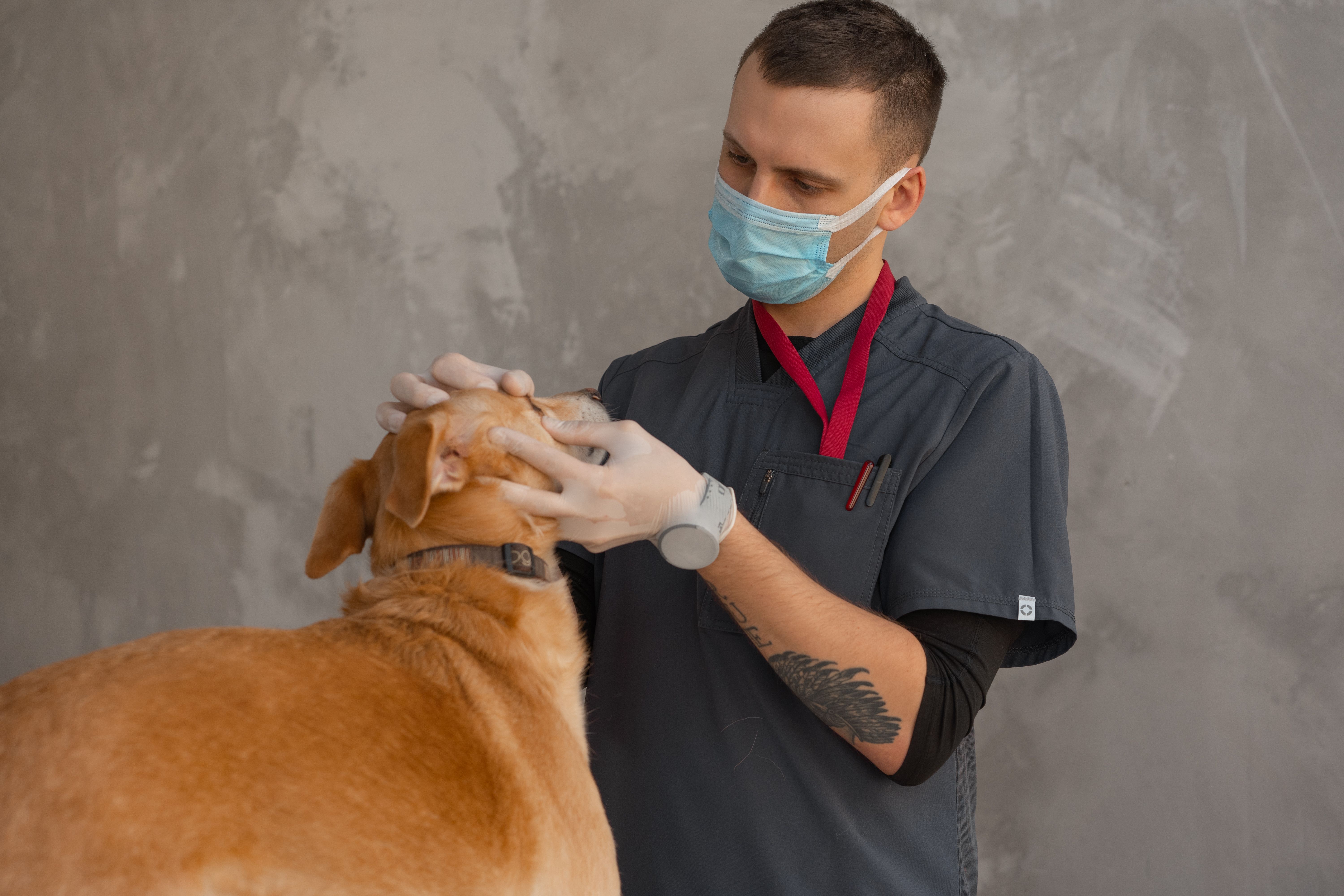
A body condition check is a quick task during any vet visit, and your veterinarian can weigh your dog and compare the results with your feeding log. Call sooner rather than later if you notice any of the following:
- Weight change of more than a few percent over a month without a change in diet.
- Increased appetite with continued weight loss, or a dog that refuses food.
- Vomiting, diarrhea, or changes in stool that last more than a day or two.
- Excessive thirst, frequent urination, or lethargy.
- Any sudden change in body shape, such as a swollen belly.
Medical conditions can change how a dog uses food, so it is worth ruling out health issues before you change the portion size on your own.
How to Adjust Without Guesswork
If your dog is gaining or losing weight, change one thing at a time and give it several weeks. A practical approach looks like this:
- Record the current daily amount, including treats, for one week.
- Score body condition and weigh your dog on the same scale, at the same time of day.
- If the dog is over ideal, reduce the daily amount by a small margin, and cut back on treats first.
- If the dog is under ideal, increase the amount slightly and check whether energy and coat improve.
- Re-check every two to four weeks, and adjust only when the trend stays the same.
Small changes work better than large ones. A sudden drop in food can cause hunger, begging, and digestive upset, and a sudden increase can cause loose stools. Gradual steps are easier on your dog and easier to track.
A Final Word on Balance
Feeding the right amount is less about hitting an exact number and more about watching the dog in front of you. A measured bowl, a regular hands-on check, and a willingness to adjust slowly will tell you far more than a feeding chart alone. When in doubt, bring your dog’s weight and feeding log to your veterinarian, and let the results of the body check guide your next step.