


Sleep challenges affect a large portion of adults, with many failing to reach the recommended seven or more hours each night.
Daily stress, anxiety, and fast-paced routines often interfere with consistent, high-quality rest. Modern habits such as late-night screen use and irregular schedules further disrupt natural sleep patterns.
Interest in natural options has increased as traditional sleep aids can carry unwanted side effects like grogginess or dependency.
Cannabidiol, commonly known as CBD, has gained attention for its potential to support relaxation, ease discomfort, and assist with sleep.
CBD may support sleep indirectly by promoting calmness and reducing discomfort, while some evidence suggests more direct effects on sleep patterns.
Results differ widely between individuals, and scientific evidence remains limited.
How CBD May Support Better Sleep
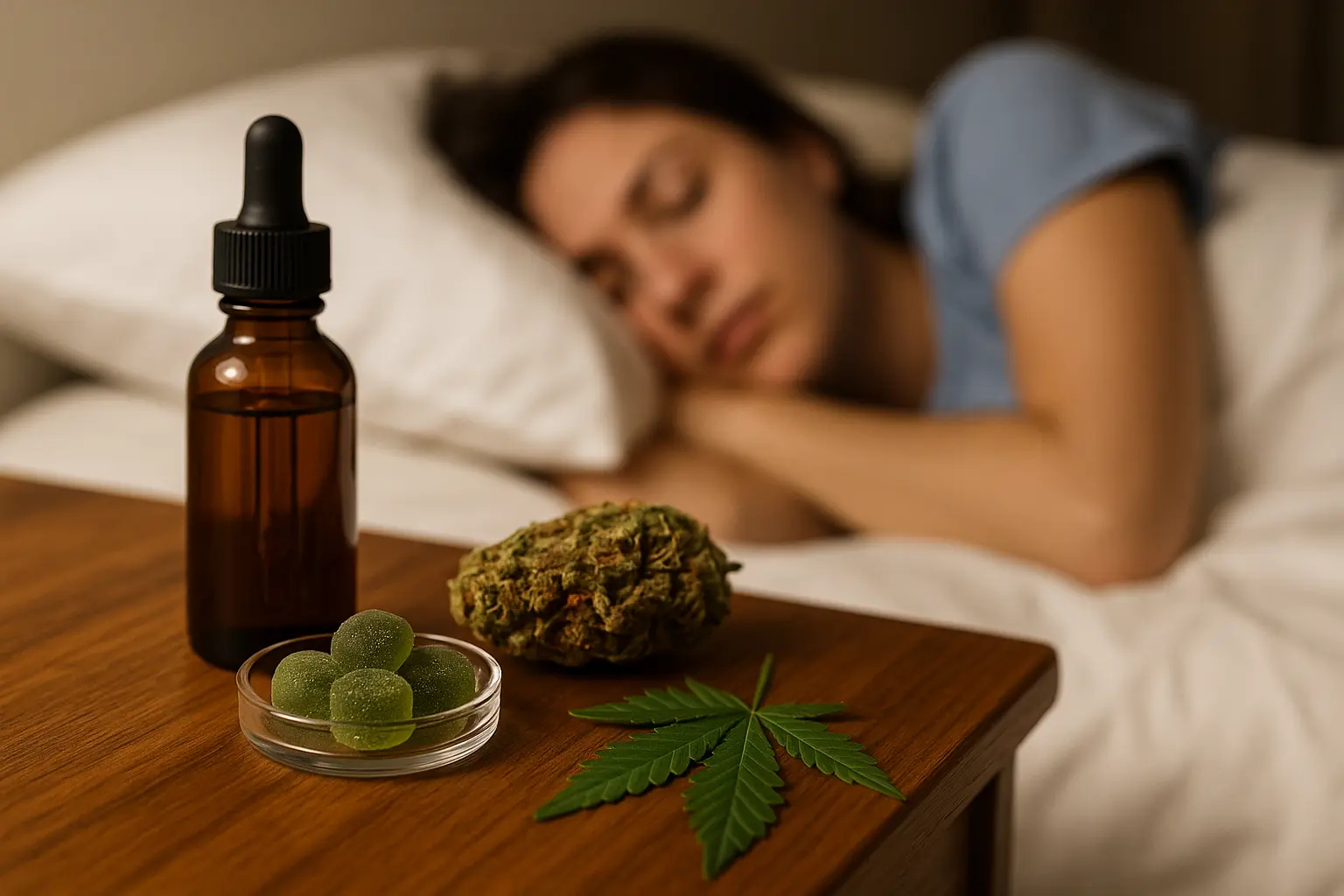
Sleep involves a complex interaction between the brain, nervous system, and physical state of the body.
Disruptions in any of these areas can lead to difficulty falling asleep or staying asleep. CBD has gained attention as a possible tool that may support multiple aspects of this process at once.
Effects are often indirect, working through stress reduction, physical relief, and overall relaxation.
Reducing Anxiety and Stress
Mental tension is one of the most common barriers to restful sleep. Persistent thoughts, worry, and heightened alertness can keep the brain active long after bedtime.
Elevated stress levels often increase cortisol, which can interfere with the natural wind-down process needed for sleep.
CBD may interact with receptors involved in mood and stress regulation. Calming effects reported by users suggest that it may help lower nervous system activity, allowing the mind to settle more easily.
Common experiences reported by users include:
- Reduced mental chatter at bedtime
- Lower feelings of nervousness or restlessness
- Improved ability to relax without prolonged overthinking
Calmer mental states can make it easier to transition into sleep. Reduction in racing thoughts may improve readiness for rest and shorten the time it takes to fall asleep.
Consistency in this effect varies, yet many individuals notice a gradual improvement in how quickly they unwind at night.
Relieving Pain and Physical Discomfort
Physical discomfort plays a significant role in sleep disruption. Muscle soreness, joint pain, and chronic conditions can prevent comfortable positioning and lead to frequent awakenings. Even mild discomfort can reduce sleep depth and quality over time.
CBD is often used as part of pain management routines. Anti-inflammatory and soothing properties may help reduce sensations that interfere with rest. As discomfort decreases, the body may shift more easily into a relaxed state.
Some individuals with ongoing pain report improved sleep after using CBD. It remains unclear if benefits come directly from sleep-related effects or indirectly through reduced discomfort.
Reports from product testers often mention decreased aches, which contributes to easier relaxation before bed.
Supporting the Sleep-Wake Cycle

Sleep patterns are regulated by internal biological rhythms.
Disruptions to this cycle can lead to difficulty falling asleep, waking during the night, or feeling unrefreshed in the morning. CBD may play a role in supporting balance within this system.
Early findings suggest several potential effects on sleep behavior. Some individuals report falling asleep more quickly and maintaining sleep for longer periods. Improvements have also been noted in key sleep metrics.
Observed changes may include:
- Shorter sleep latency, meaning less time needed to fall asleep
- Increased total sleep duration in some cases
- Fewer nighttime awakenings for certain users
Results remain inconsistent across different groups. Individual biology, lifestyle habits, and product variations all influence outcomes.
While some people notice meaningful improvements, others experience little to no change.
Dose-Dependent Effects
CBD does not act the same at every intake level. Amount consumed can influence how it affects the body and mind.
Lower amounts may produce subtle effects, while higher amounts are more likely to create noticeable calmness.
General patterns associated with dosage include:
- Lower amounts may promote alertness in some individuals
- Moderate amounts may support relaxation without strong sedation
- Higher amounts may lead to more pronounced calming effects
Personal response plays a major role in determining outcomes. Factors such as metabolism, body composition, and sensitivity influence how CBD works for each person.
Gradual adjustment is often needed to find an effective amount that supports sleep without unwanted side effects.
Forms of CBD for Sleep

Different forms of CBD offer varying onset times and durations, which can affect how well they fit into a nighttime routine. Choice of format often depends on personal preference and desired timing of effects.
Common options include gummies, oils, tinctures, capsules, and other ingestible products. Each form interacts with the body differently, and choosing the right format, such as a CBD tincture for sleep, can depend on how quickly you want the effects to begin and how long you want them to last.
Key differences between formats include:
- Gummies and edibles provide longer-lasting effects but take more time to begin working
- Oils and tinctures may act more quickly due to faster absorption
- Capsules offer consistent dosing but may take longer to take effect
Gummies are widely used due to ease of use and convenience. Many users report noticeable calming sensations within fifteen to sixty minutes after use. Timing plays an important role, and many individuals take CBD twenty to sixty minutes before bedtime depending on the product and personal response.
Potential Benefits for Nighttime Relaxation
Evening routines play an important role in preparing the body for rest. A calm transition period can improve both sleep onset and overall sleep quality. CBD is often used as part of this wind-down process.
Many users associate CBD with a sense of ease and reduced tension. Physical and mental relaxation can help signal to the body that it is time to rest.
Some individuals describe deeper or more restful sleep, though total duration does not always increase. Creating a consistent pre-sleep routine remains essential, and CBD may support that process by helping the body and mind settle more naturally.
What the Research Says
Scientific interest in CBD and sleep has grown in recent years.
Existing studies suggest potential benefits, yet conclusions remain limited due to variations in research design and sample size.
Findings indicate that CBD may support sleep primarily through its effects on anxiety and stress. Improvements in sleep quality have been observed in certain groups, especially those dealing with anxiety-related sleep issues.
Limitations in current research include:
- A lack of large-scale clinical trials
- Differences in dosage and product formulations across studies
- Variability in participant characteristics and health conditions
Results vary, making it difficult to draw firm conclusions. More controlled and long-term studies are needed to determine effectiveness and consistency across broader populations.
Safety and Considerations

CBD is widely regarded as safe for many individuals, yet careful use is still important. Interactions with medications can occur due to effects on liver enzymes that process certain drugs.
Combining CBD with other substances that cause drowsiness may increase sedative effects.
Possible side effects may include:
- Drowsiness or fatigue
- Changes in appetite
- Fluctuations in energy levels
Certain individuals should exercise caution or avoid use entirely. Pregnant individuals and those taking specific medications should seek medical advice before use.
Only a limited number of CBD-based products have received regulatory approval for medical use. Consulting a healthcare provider can help ensure safe and appropriate use as part of a sleep routine.
Summary
CBD shows potential as a natural option for improving sleep and nighttime relaxation. Benefits are most often linked to reduced anxiety, relief from discomfort, and improved ability to unwind before bed.
Individual responses vary widely, and results are not guaranteed. Careful use and attention to dosage are important. CBD may be most effective when combined with healthy sleep habits such as consistent schedules and reduced screen exposure at night.
Ongoing research will play a key role in clarifying long-term effects and determining how CBD can best support sleep health.