

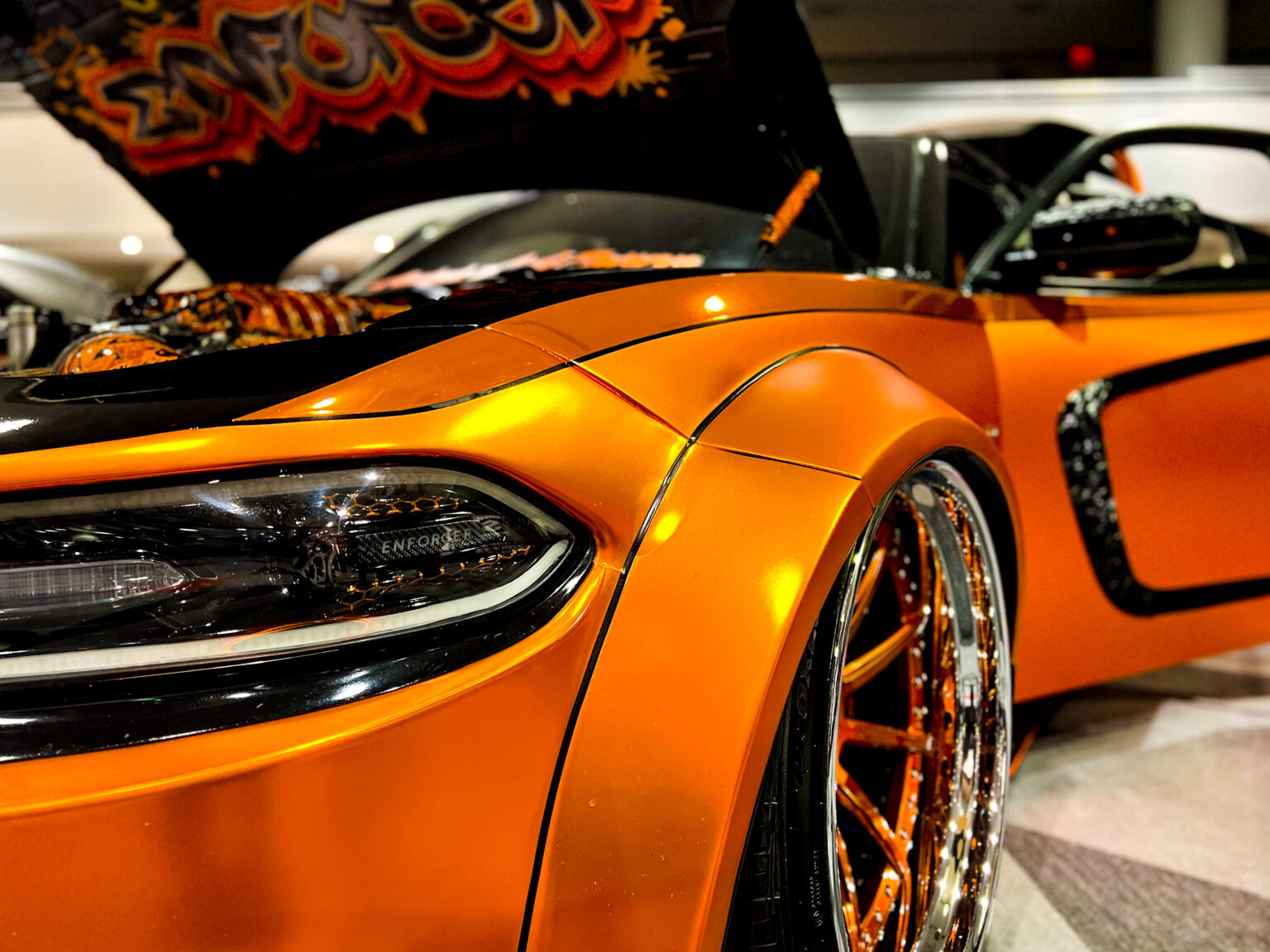
Car customization in 2026 looks different from what many people expected a few years ago. Massive body kits and overly loud builds are not dominating local meets anymore. Most drivers now want upgrades that feel clean, usable, and easier to live with every day.
A lot of the current trends are tied to practicality. People want cars that look personal without becoming difficult to maintain or expensive to insure. At the same time, newer technology inside modern vehicles is pushing customization into areas that barely mattered before, especially lighting, digital interiors, and software upgrades.
OEM Plus Styling Is Everywhere
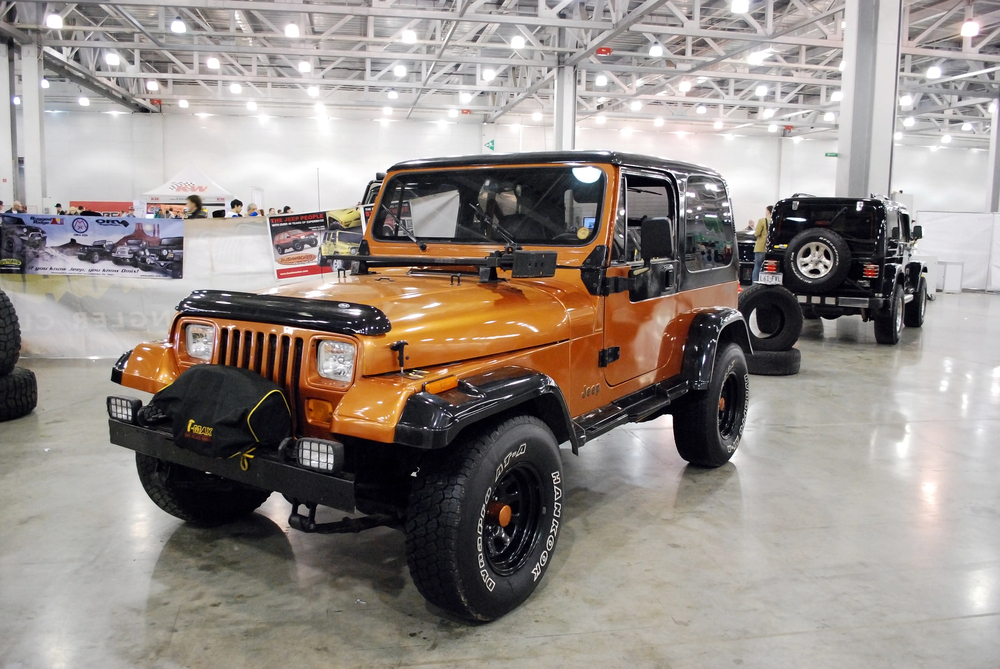
The biggest shift in car customization trends is the move toward OEM plus styling. Drivers still want modified cars, but they want them to look factory designed rather than obviously aftermarket.
That usually means subtle visual upgrades instead of dramatic changes. Satin wraps, gloss black trim replacements, smoked taillights, and cleaner wheel setups are replacing oversized body kits and flashy graphics.
One detail that keeps showing up on newer builds is customized registration plates. A lot of owners are matching plate styles with darker trims and cleaner exterior themes. Companies like Number 1 Plates have become popular because 4D laser cut plates fit modern styling trends without changing the entire look of the car.
Drivers are also paying more attention to:
- Panel fitment
- Factory paint matching
- Smaller spoilers
- Minimal badges
- Lower but usable suspension setups
According to several 2026 customization trend reports, OEM inspired styling and satin finishes are among the fastest growing modification categories.
Vinyl Wraps Continue To Replace Paint Jobs
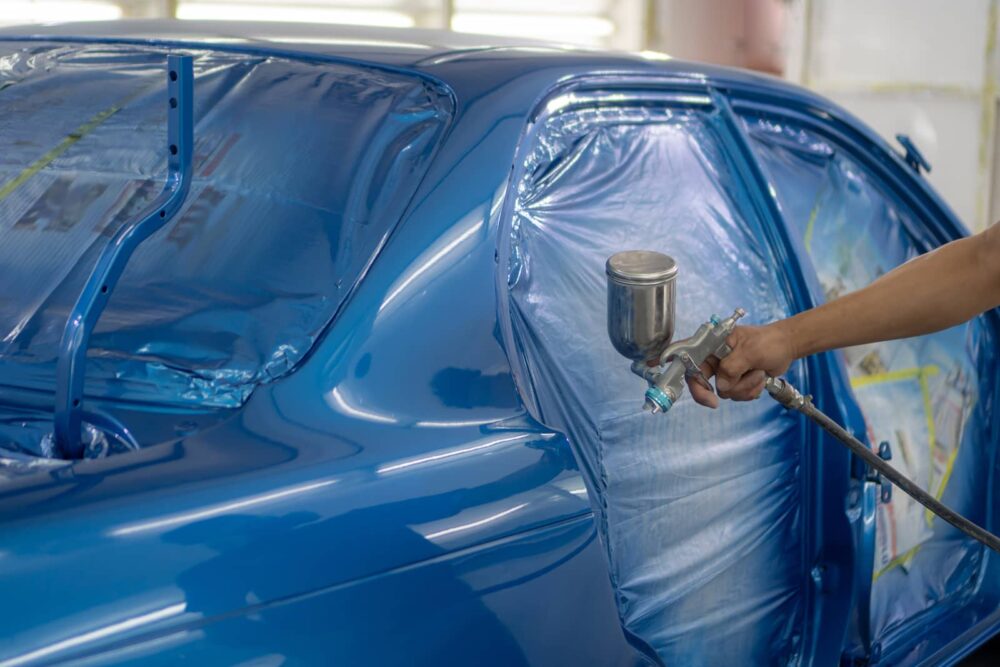
Full resprays are still popular on high end builds, but wraps are now the default option for most drivers who want a different look without permanent changes.
The biggest reason is flexibility. A wrap protects the original paint while giving owners room to experiment with colors and finishes that would be expensive with traditional paint.
Current trends lean toward:
- Satin gray
- Warm metallic silver
- Matte olive
- Deep blue tones
- Soft white pearl finishes
A recent automotive color trend analysis from YESWRAP highlighted growing demand for softer finishes and less aggressive color combinations in 2026.
| Popular Finish | Why Drivers Like It |
| Satin gray | Easier to maintain than gloss black |
| Matte metallic blue | Looks modern without attracting too much attention |
| Pearl white | Works well on newer SUVs and EVs |
| Gloss olive green | Popular on trucks and crossovers |
Wrap shops are also seeing more partial wrap requests. Roof wraps, mirror caps, and chrome deletes are becoming common because they cost less while still changing the overall look of the car.
Vinyl wraps can usually be removed without damaging factory paint when professionally installed and maintained correctly.
Interior Tech Upgrades Are Growing Fast
Interior customization used to focus mostly on seats and sound systems. In 2026, tech upgrades are driving most of the demand.
A lot of drivers are upgrading older cars with modern features instead of buying newer vehicles. Wireless Apple CarPlay, Android Auto, larger infotainment displays, and digital dashboards are now some of the most requested modifications.
According to automotive HMI trend research published by STAR Global, digital cockpit systems and connected interior features are becoming central to modern vehicle personalization.
One interesting shift is that drivers now care more about usability than visual overload. Physical buttons are even making a comeback in some new vehicles because many drivers got tired of touchscreen heavy interiors.
Common Interior Upgrades In 2026
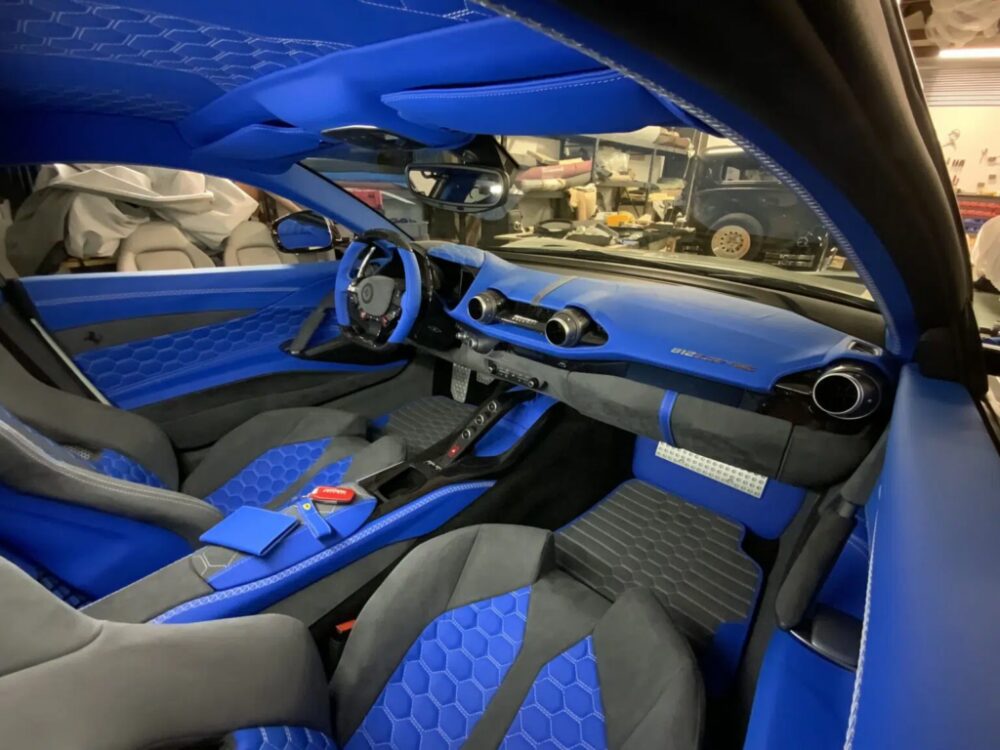
Many owners are focusing on practical cabin improvements instead of cosmetic extras alone.
Popular choices include:
- Ambient LED lighting
- Wireless charging pads
- Dash cameras
- Better sound insulation
- Alcantara steering wheels
- Digital instrument clusters
A clean and functional interior now matters just as much as exterior styling, especially for daily driven cars.
Lighting Mods Are More Refined Now
Lighting trends have changed a lot over the past few years. Cheap underglow kits and extremely bright setups are less common now because drivers are choosing cleaner integrations.
Sequential indicators, modern daytime running lights, and subtle interior ambient lighting are far more popular in 2026. Many owners want upgrades that look like they could have come directly from the factory.
Did you know?
Modern LED upgrades can also improve visibility and energy efficiency compared to older halogen systems, especially on vehicles built before 2018.
Customization shops are seeing increased demand for:
- Dynamic taillights
- Smoked LED housings
- Startup light animations
- Footwell ambient lighting
- App controlled cabin lighting
Several customization trend reports also point to lighting personalization as one of the fastest growing categories in the aftermarket industry.
Performance Mods Are Becoming More Balanced
Drivers still want faster cars, but the approach has changed. Reliability matters much more now than extreme horsepower numbers.
Instead of fully built engines, many owners are choosing moderate upgrades that improve drivability without creating maintenance problems.
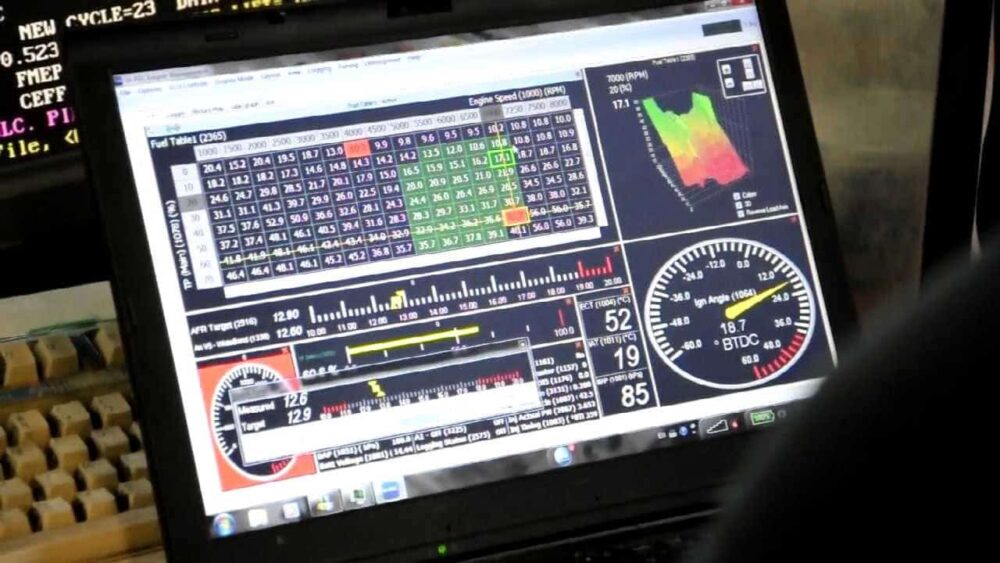
ECU tuning remains one of the most popular performance modifications because it offers noticeable gains without changing the entire car. Suspension refinement and brake upgrades are also becoming more common because people want cars that feel better to drive daily.
The Most Common Practical Performance Mods
Most balanced builds now focus on:
- ECU remaps
- Better tires
- Coilovers with adjustable comfort settings
- Improved brake pads
- Cold air intakes
- Cat back exhaust systems
According to Car Reformer’s 2026 modification guide, modern enthusiasts are increasingly prioritizing suspension, braking, and balanced tuning rather than extreme engine builds alone.
A lot of owners have learned that huge power numbers are less enjoyable if the car becomes unreliable or uncomfortable.
EV And Hybrid Customization Is Expanding
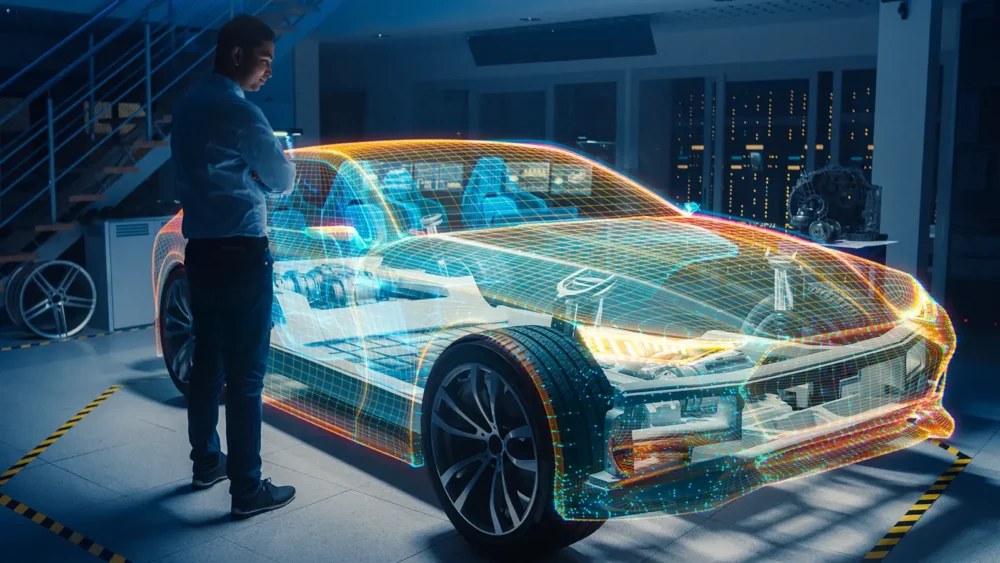
Electric vehicles are creating entirely new customization categories. Since EV owners are not focusing on exhaust sound or engine modifications, styling and software upgrades are getting more attention.
Wraps, lightweight wheels, and interior personalization are especially popular among Tesla, Hyundai Ioniq, BMW i, and Kia EV owners.
Several customization shops are also reporting higher demand for:
- Aerodynamic wheel designs
- Color matched charging accessories
- Ambient lighting packages
- Custom digital displays
- Paint protection film
Trend reports from both wrap companies and automotive technology analysts show that EV owners are pushing customization toward cleaner, more technology focused upgrades.
The overall style direction is noticeably more minimal compared to older tuner culture.
FAQs
1. Do car modifications increase insurance costs in 2026?
Yes, many modifications can affect insurance pricing. Visual upgrades usually have a smaller impact than performance modifications, but insurers still want modifications declared properly.
2. Which customization trends are losing popularity in 2026?
Oversized body kits, extreme camber setups, fake engine sounds, and heavily tinted lighting are becoming less common because many drivers now prefer cleaner and more practical builds.
3. Are EV modifications more expensive than gas car modifications?
Some EV upgrades cost more because fewer aftermarket parts exist for certain models. Software related upgrades and wheel packages are currently the most common entry point for EV customization.
4. What car colors are trending most for wraps in 2026?
Satin gray, muted blue tones, pearl white, and darker metallic greens are currently among the most requested wrap finishes.
5. Are older cars still worth modifying in 2026?
Yes, especially reliable models with strong aftermarket support. Many drivers are upgrading older cars with modern interior technology instead of replacing the entire vehicle.
Final Perspective
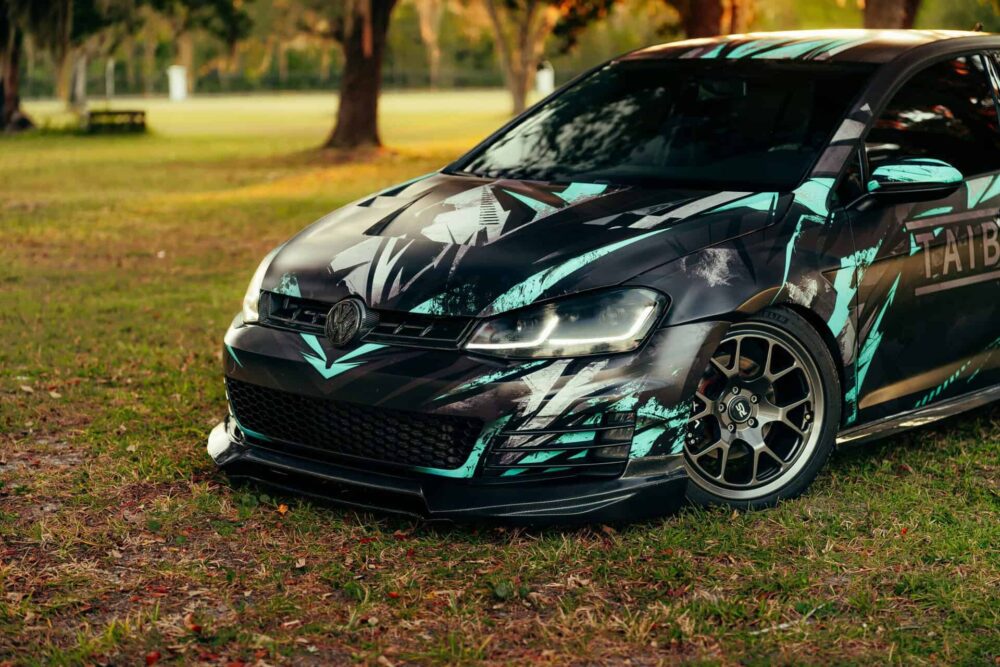
Car customization trends in 2026 are less about building the loudest or most aggressive car in the parking lot. Most drivers are spending money on upgrades that improve appearance, comfort, and usability without making the vehicle harder to live with.
Clean styling, modern lighting, practical performance upgrades, and smarter interiors are shaping the market right now. Drivers still want individuality, but they also want their cars to feel realistic for daily life.
That balance is probably the biggest reason current customization trends feel more mature than they did a decade ago.